【Course Review】Packed with Practical Knowledge! Advanced Vestibular Course Taught by Carlo, Unlocking Clinical Thinking for Vertigo Rehabilitation12
Source: News Center
2026-09-16

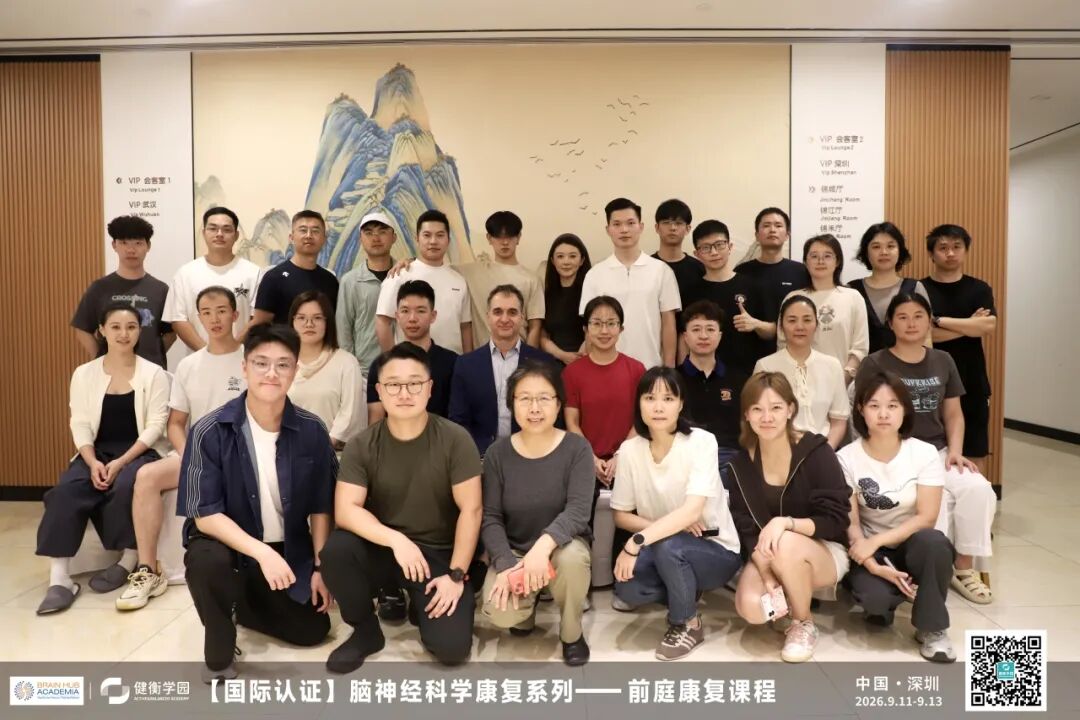
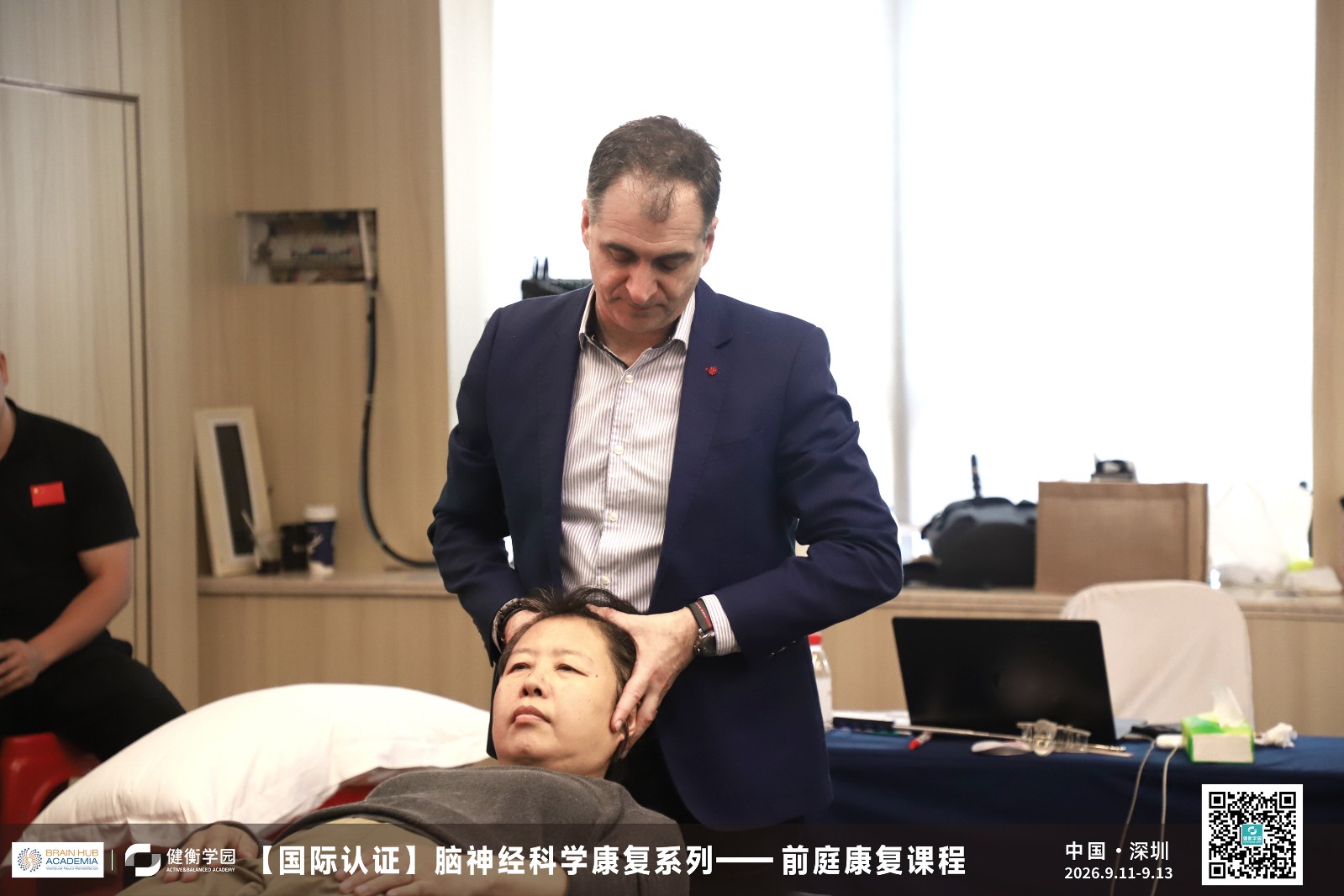
From September 11 to 13, 2026, the 【Internationally Certified】Advanced Course of Neuroscience Rehabilitation Series – Vestibular Module, hosted by Jianheng Academy and supported by Theratools professional rehabilitation equipment brand, successfully concluded in Shenzhen, Guangdong.
The three-day course was fully taught in person by international neuroscience expert Carlo Rinaudo. Dozens of practitioners from the rehabilitation industry completed systematic training in vestibular nerve rehabilitation and received international certification course certificates upon course completion.
Patients undergo lengthy cervical examinations on the bed and several reduction maneuvers, yet vertigo keeps recurring; Patients report "unsteady walking and oscillopsia", while all imaging results are normal; Elderly patients carry a high fall risk, and no practical interventions can be offered beyond generic advice to "be careful"; Patients with chronic neck and shoulder pain receive months of cervicoshoulder treatment, but only achieve short-term relief.
These issues share one thing in common: symptoms manifest in the musculoskeletal system, yet their origin may lie in the integration of neural pathways. This is exactly the problem this course aims to address.
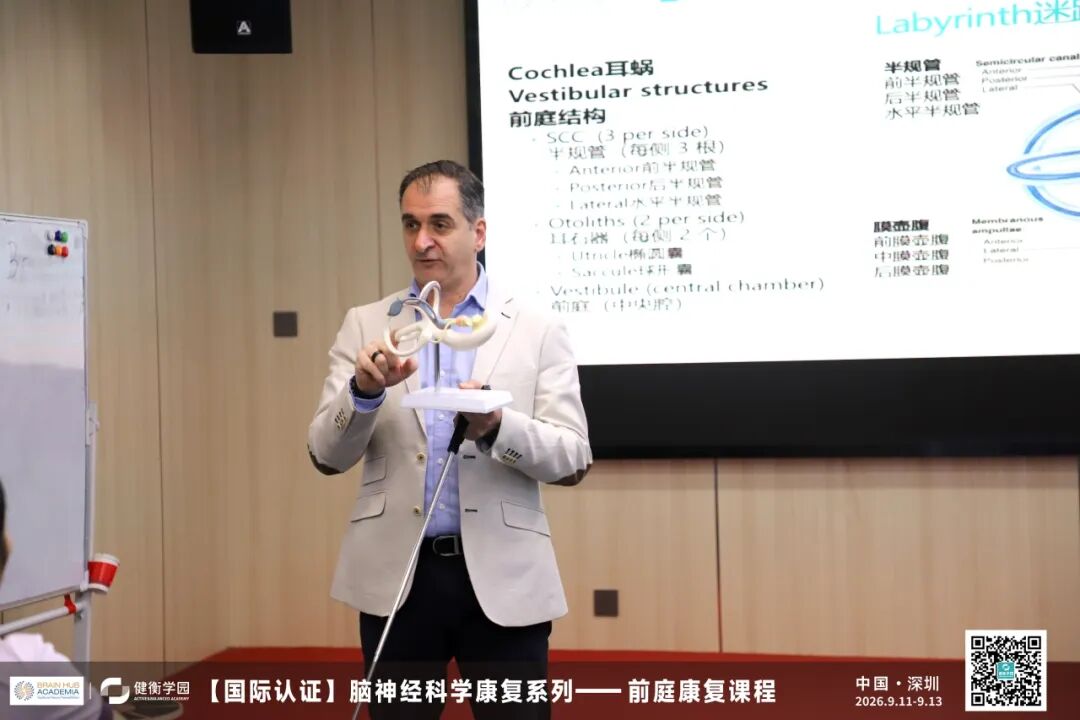
The course follows the main thread of "Anatomy & Mechanisms → Standardized Assessment → Differential Diagnosis → Practical Operations & Treatment Plans", covering a complete workflow of vestibular nerve rehabilitation.
Day 1: From Anatomical Development to Neural Pathways
It revisits the evolutionary development and anatomical structure of the vestibular system, breaking down the division of labor and interaction between the peripheral components (semicircular canals, otolith organs, vestibular nerve) and central components (vestibular nuclei, cerebellum, oculomotor centers, balance cortical centers). It clarifies the three major vestibular reflex pathways and how vision, vestibular input and proprioception integrate to maintain balance.
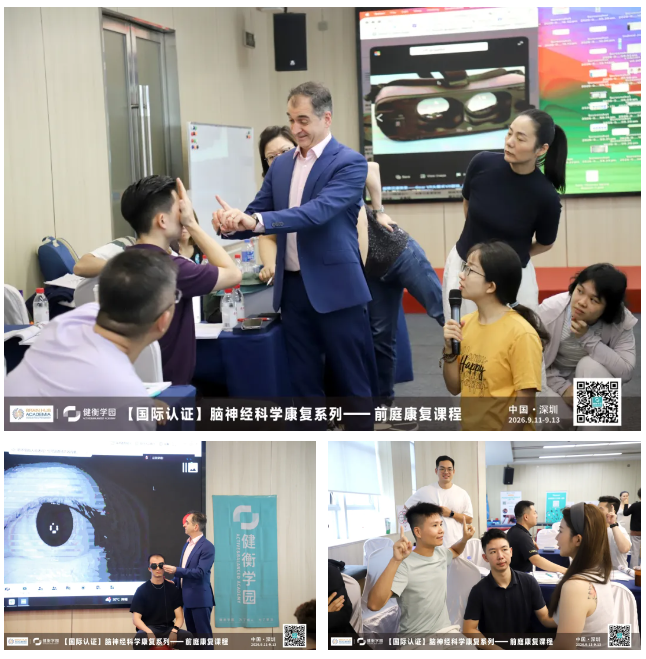
Day 2: Standardized Assessment and Clinical Differential Diagnosis
Hands-on bedside practice was conducted: participants learned core assessment methods step by step, including standardized questioning for dizziness history taking, fall risk screening, oculomotor examination, Head Impulse Test (HIT), positional provocation tests and more.
Meanwhile, the course systematically sorted out the differential key points of common vertigo disorders such as vestibular neuritis, BPPV, Meniere’s disease and vestibular migraine. Teacher Carlo repeatedly emphasized "localization" — determine the affected level first before selecting any manipulation.
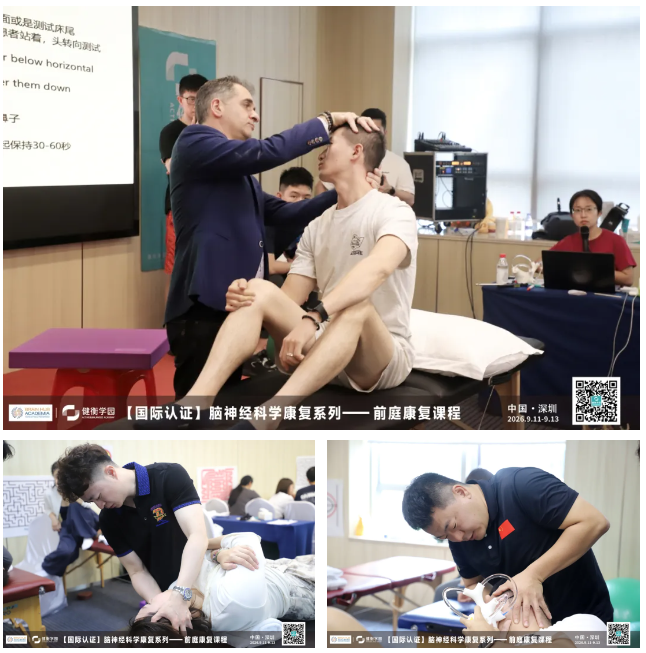
Day 3: Practical Techniques and Rehabilitation Programs
The course focused on clinical practical techniques including otolith repositioning. Combined with manual therapy, electrical stimulation, biofeedback and other modalities, participants learned how to customize neurorehabilitation programs for individuals. Vestibular adaptation training, gaze stabilization training and balance training were applied to reshape patients' perception and balance capacity via neural plasticity.
What did participants take away
A complete assessment workflow instead of fragmented manual techniques A closed loop is formed from history taking and bedside assessment to differential diagnosis. Previously, participants "knew a bunch of tests"; now they "know which test to perform when and what the results indicate".
Shift in clinical thinking from "treating local lesions" to "locating central origins" Once the mechanistic chain of how sensory mismatch triggers dizziness, imbalance and even chronic musculoskeletal pain is understood, new entry points emerge for many refractory cases.
Practical and replicable hands-on skills Key techniques including otolith repositioning, oculomotor examination and Head Impulse Test were taught with hands-on coaching, ready for immediate clinical use after the course.
Internationally recognized certificate and a peer network for ongoing communication Upon course completion, participants receive the internationally certified course certificate and connect with a group of peers also dedicated to neurorehabilitation.
Course Preview
As the vestibular module concluded, many participants raised the same question: When will Teacher Carlo’s other modules be available?
The answer is — the 【Internationally Certified】Advanced Course of Neuroscience Rehabilitation Series – Pediatric Rehabilitation Module will be held in Shanghai from December 11 to 13.
Pediatric rehabilitation is a highly valuable application area within the neuroscience system and is in urgent demand among practitioners in China. Still taught in person by Carlo Rinaudo, the course addresses child development and neurorehabilitation from a neurological perspective, following the consistent structure of "Theory + Assessment + Practical Operations".
To learn about the syllabus, schedule, registration method and fee details of the Pediatric Rehabilitation Module, please add the WeChat below for consultation.