
World PT Day · 8 September | See the Power of Movement and Functional Restoration12
Source: News Center
2026-09-10

Salute to every physical therapist
Many people hold a major misconception about physical therapy: they regard it merely as simple stretching and relaxation for pain relief, a supplementary conditioning measure after illness.
In fact, the core essence of physical therapy is to address various human motor functional impairments. Pain is only a superficial symptom. Functional deficits that affect daily life, movement and health — including limb stiffness, abnormal muscle activation, limited mobility, cardiopulmonary deterioration and postural imbalance — constitute the core challenges that physical therapy aims to tackle.
World PT Day arrives on September 8, 2026.
This year’s official global theme is Cardiovascular Disease and Stroke. It highlights the central role of physical therapy and physical activity in disease prevention, clinical management and full-course rehabilitation.
This year’s theme breaks the public’s stereotype: physical therapy is not only a rehabilitation intervention for sequelae. It is a vital medical approach covering disease prevention for the general population, disease management for high-risk groups, and rehabilitation for patients.
Whether it is disabling impairments in stroke survivors, sub-health strain among sedentary populations, or sports injuries in athletes, professional physical therapy can restore function and help people return to a healthy state.
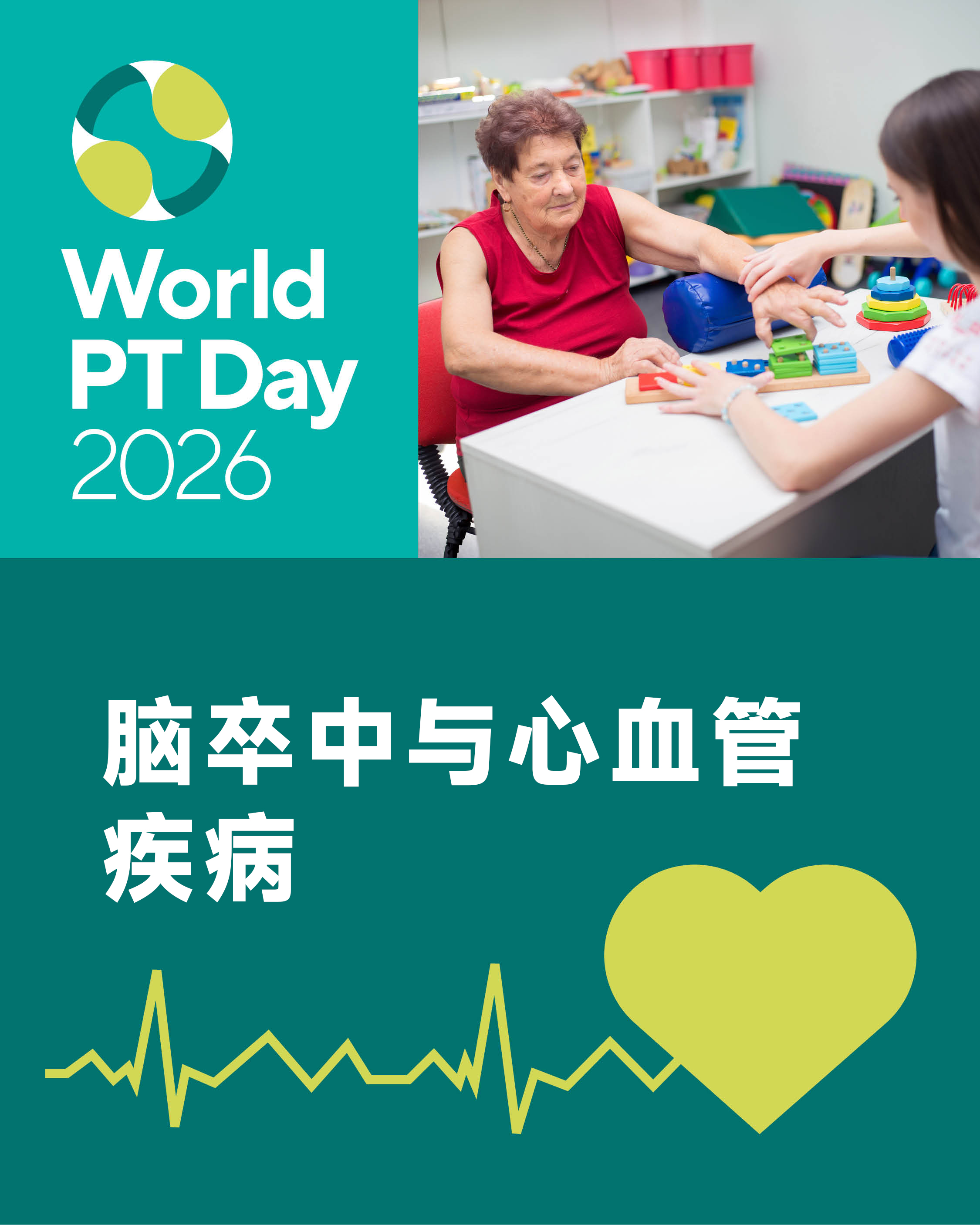
The Core of Physical Therapy Most clinical medical departments organize their work around "disease": diagnosis, medication, surgery and indicator control. The physical therapy department, by contrast, focuses on another dimension — function. Under the WHO International Classification of Functioning, Disability and Health (ICF) framework, a health condition affects people at three levels: Body structures and functions: reduced muscle strength, limited range of motion, balance impairment, decreased cardiopulmonary endurance, spasticity and pain. Activities: inability to walk, climb stairs, dress or feed oneself, difficulty turning or jumping. Participation: inability to work, fulfil family roles, or take part in social activities and favourite sports. Clinical treatment often addresses issues at the first level — unblocking blood vessels, removing thrombus, repairing ligaments. However, structural repair does not automatically equal functional recovery. After stent implantation, patients may still struggle to walk up three flights of stairs; following ligament reconstruction, athletes may still be afraid to exert force when jumping. Between "structural repair" and "functional recovery" lies a pathway that requires professional intervention — this is where physical therapists practise. Aligned with the core theme of World PT Day 2026: structured physical activity and standardized physical therapy serve as core interventions throughout the full cycle of prevention, management and rehabilitation for cardiovascular and cerebrovascular diseases, sports injuries and sub-health conditions. They restore physical function at the root rather than merely relieving superficial symptoms.
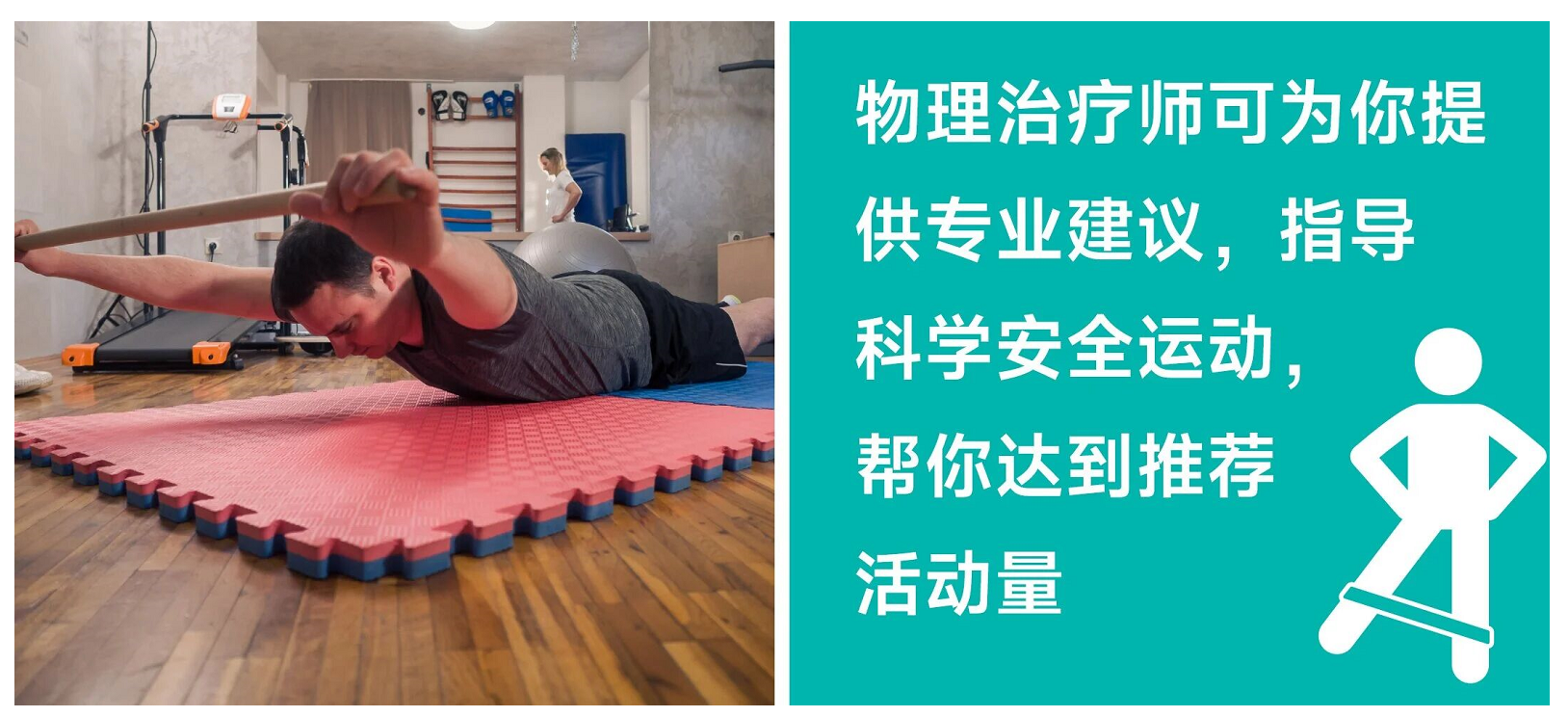
Physical Therapy Precisely Addresses a Wide Range of Functional Impairments
For high-risk groups of chronic diseases, active individuals, and people undergoing rehabilitation for cardiovascular disease and stroke, physical therapy adapts to full-scenario functional restoration. It targets the health challenges of different populations, helping each group regain their unique healthy state.
Sedentary populations with sub-health conditions: correct postural deterioration and prevent cardiovascular and cerebrovascular chronic diseases
Sedentary lifestyles, prolonged forward head posture and poor body mechanics are key triggers behind the earlier onset of cardiovascular disease and stroke in modern populations. Although people in this group show no obvious organic lesions, they already suffer from systemic functional deterioration, making them a core target group for preventive intervention highlighted in this year’s theme.
Common functional impairments: stiff and sore neck, shoulders and lower back, rounded shoulders and kyphosis, pelvic imbalance and weak lumbopelvic core; sluggish systemic blood circulation, impaired metabolism and chronically underloaded cardiopulmonary system accompanied by sedentary fatigue, dizziness, insomnia and limb numbness. They fall into the high-risk group for cardiovascular and cerebrovascular diseases.
Targeted physical therapy intervention: Postural correction, core muscle activation, full-body muscle balance training and personalised daily exercise guidance break the disuse state caused by prolonged sitting, accelerate circulation and metabolism, improve baseline cardiopulmonary function and mitigate chronic disease risks at the source.
Desired outcomes after intervention: Complete relief of chronic strain in the neck, shoulders and lower back, upright posture and flexible limbs; Smooth systemic circulation, normal metabolism and steady improvement in cardiopulmonary function, eliminating sedentary exhaustion, dizziness and weakness; Rejuvenated physical condition, fundamentally preventing hypertension, hyperlipidaemia, stroke and cardiovascular diseases.
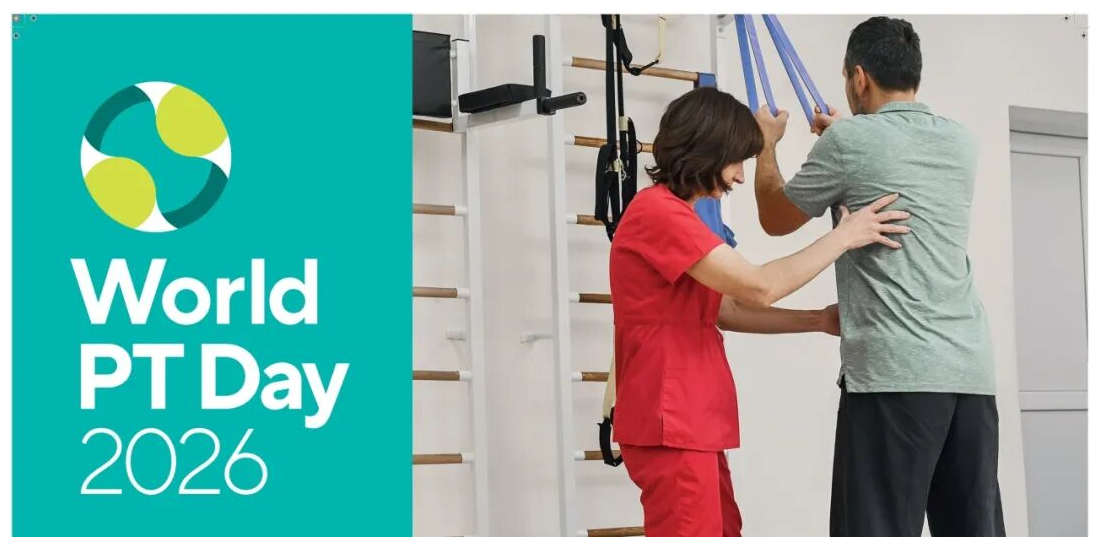
Athletes and fitness enthusiasts: rehabilitate sports injuries and return to peak performance
For professional athletes and people who enjoy fitness and ball sports, functional impairments caused by sports injuries are major factors limiting athletic performance and undermining physical health. This also represents a key intervention scenario for physical therapy.
Common functional impairments: sports injuries including rotator cuff injuries, knee joint degeneration, ankle sprains and lumbar muscle strain; muscle tightness and adhesions, limited joint range of motion, asymmetrical limb force production, reduced exercise endurance and insufficient explosive power. Recurrent injuries prevent normal physical activity.
Targeted physical therapy intervention: Precisely assess injured sites and functional deficits. Apply professional manual release, injury rehabilitation training, movement pattern correction and muscle balance training together with scientific exercise plans to repair damaged soft tissues, correct faulty movement patterns and eliminate hidden injury risks.
Desired outcomes after intervention: Full recovery from sports injuries, with smooth, pain-free joint movement; Balanced and coordinated muscle activation, alongside full restoration of explosive power, endurance and physical stability; Overcome kinesiophobia, safely and efficiently return to training and daily exercise, effectively avoid secondary injuries and maintain consistent peak athletic performance.
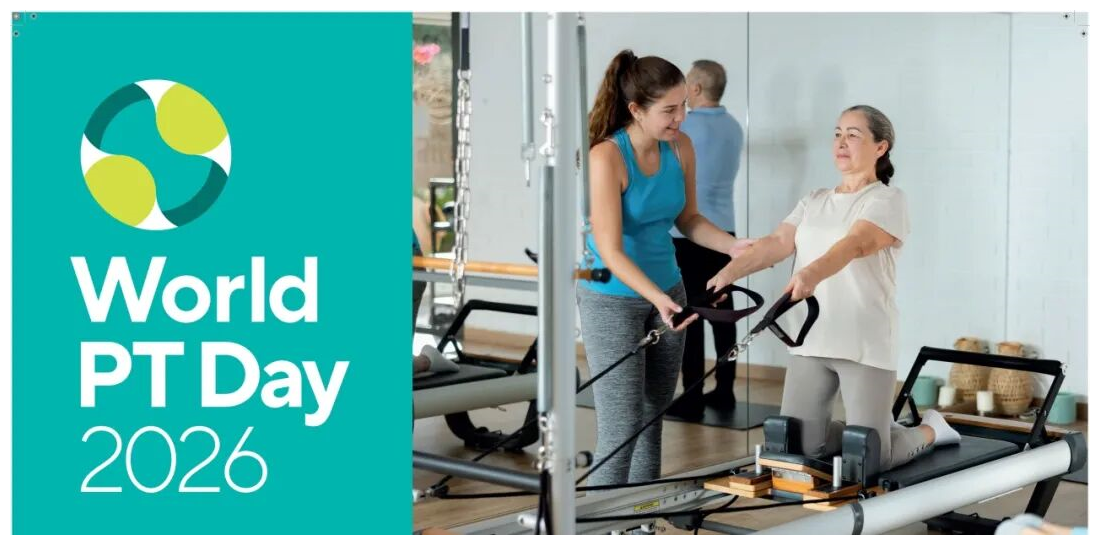
Stroke survivors: Overcome disabling impairments and support cardiovascular and cerebrovascular rehabilitation
As a key population highlighted in this year’s World PT Day, the greatest hazard of stroke is not the acute onset itself, but permanent motor functional impairments left after the event, which also rank as the leading cause of disability from cardiovascular and cerebrovascular diseases among adults.
Common functional impairments: hemiplegic weakness in limbs, spastic stiffness of hands and feet, restricted joint flexion and extension, circumduction gait, unstable standing and inability to transfer independently. Patients also suffer from marked deterioration of cardiopulmonary endurance, with palpitations and shortness of breath triggered by slight activity. Prolonged bed rest may lead to complications such as muscle atrophy, shoulder pain and venous thrombosis, severely impairing quality of life.
Targeted physical therapy intervention: Based on systematic functional assessment and combined with a stepwise physical activity programme, anti-spasticity training, joint mobilisation, muscle activation, balance and gait correction, as well as cardiopulmonary breathing training are applied to rebuild neuromuscular control and improve cardiopulmonary circulation, implementing full-course rehabilitation management for stroke.
Desired outcomes after intervention: Complete relief of limb stiffness, spasticity and weakness; flexible, controllable hand and limb movement with restored normal joint range of motion; Stable, upright walking without canes or wheelchairs; independent performance of daily tasks including transferring, dressing and washing; Significantly improved cardiopulmonary endurance, no more easy palpitations and shortness of breath. Patients are freed from disabled bedridden status, the risk of disease recurrence is effectively reduced, enabling a true return to normal family life.
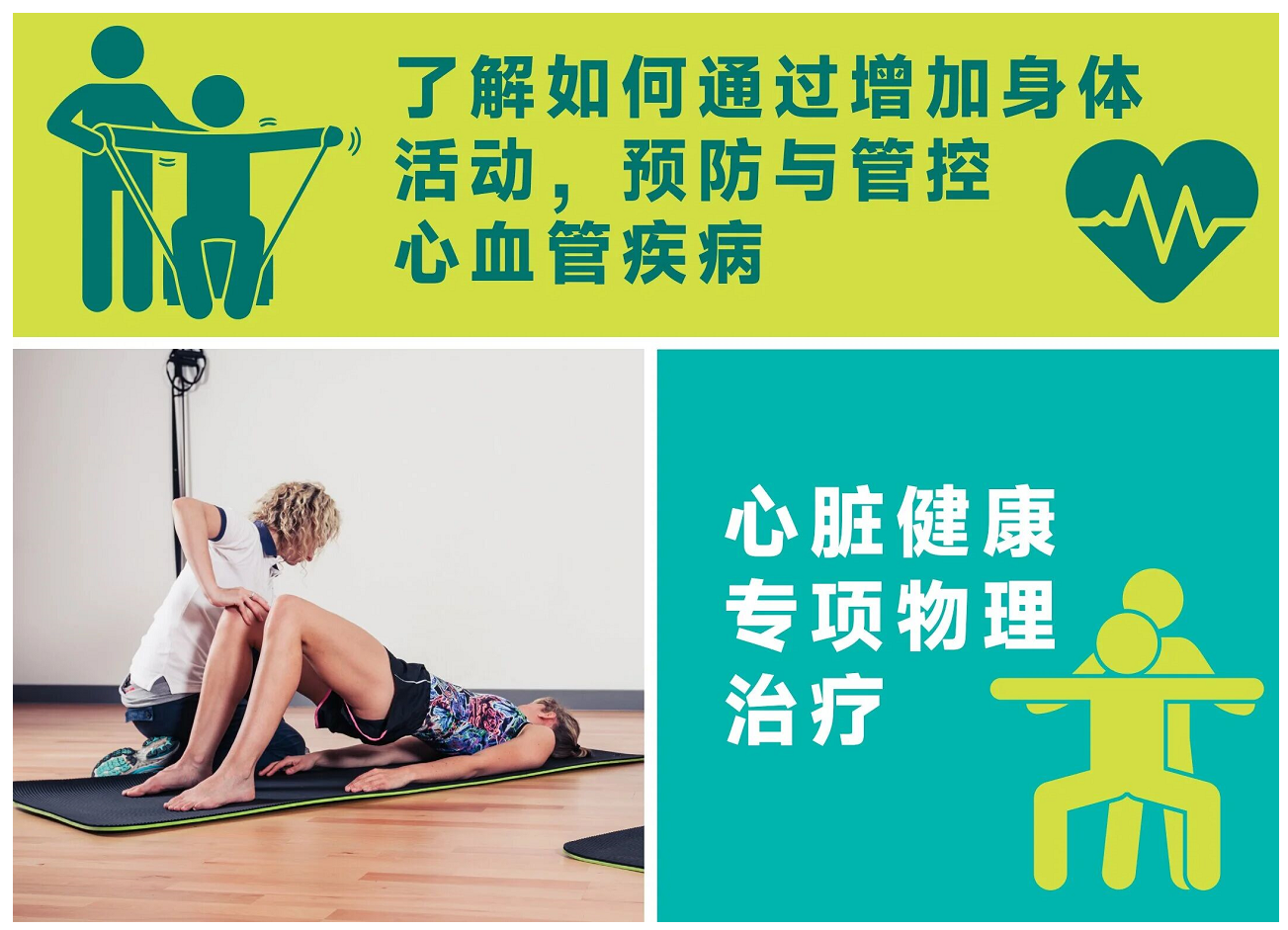
People with cardiovascular diseases: Improve cardiopulmonary function, stabilise chronic conditions and reduce recurrence risks
Cardiovascular disease is the core condition featured on this year’s World PT Day, covering patients with hypertension, coronary heart disease, myocardial infarction, heart failure and more. Most patients hold a critical misconception: prolonged bed rest and avoidance of activity after illness ultimately lead to deconditioning of the cardiopulmonary system, which worsens their condition and raises recurrence risks.
Common functional impairments: markedly reduced cardiopulmonary endurance, with palpitations, chest tightness and shortness of breath triggered by walking or stair climbing; persistent physical fatigue, low spirits, accompanied by insomnia, anxiety and night sweats; sluggish systemic circulation, lower limb oedema and numbness, continuous decline in mobility, trapped in a vicious cycle of “the less you move, the weaker you become”.
Targeted physical therapy intervention: Conduct safety assessments based on the patient’s blood pressure, heart rate and cardiopulmonary tolerance, and customise stepwise physical activity and rehabilitation programmes. Breathing training, thoracic mobilisation, aerobic endurance training and circulatory function intervention are applied to steadily improve cardiopulmonary reserve, enhance systemic blood circulation and stabilise cardiovascular status.
Desired outcomes after intervention: Significant relief of palpitations, shortness of breath and fatigue; effortless daily walking and housework; More stable fluctuations in blood pressure and heart rate, with greatly improved sleep and mental wellbeing; Gradually improved physical fitness, breaking the cycle of disuse caused by inactivity. It effectively lowers the risk of recurrent cardiovascular events, enables scientific management of chronic disease and restores normal daily living.
Physical Therapy Restores the Person
When we look at these four groups together, one common feature emerges:
Athletes, sedentary individuals, stroke survivors and patients with cardiovascular diseases face vastly different challenges. Yet physical therapists follow the same core logic for solving problems: assess function, identify impairments, deliver evidence-based intervention, verify outcomes and facilitate return to daily life.
The end goal of rehabilitation remains the same. It is not a certain number on a checklist, but:
Recovery of physical capacity — restored adequate muscle strength, endurance, balance, coordination and cardiopulmonary function; Recovery of movement confidence — the courage to exert force, bear weight and take steps, no longer ruled by fear; Recovery of life roles — returning to the sports field, returning to the workplace...
From sports fields to workstations, from ICU beds to community walkways, physical therapists always centre their work on one word: function.
World PT Day, 8 September 2026, reshapes public understanding of health once again: cardiovascular disease and stroke are preventable, manageable and rehabilitative, and functional restoration is the ultimate key to returning to health.
The power of physical therapy lies in the renewed steps of stroke survivors regaining their lives, in the vitality of sedentary people breaking free from sub-health, and in the passion of sports enthusiasts returning to the field.
8 September 2026 marks the 31st World PT Day.