
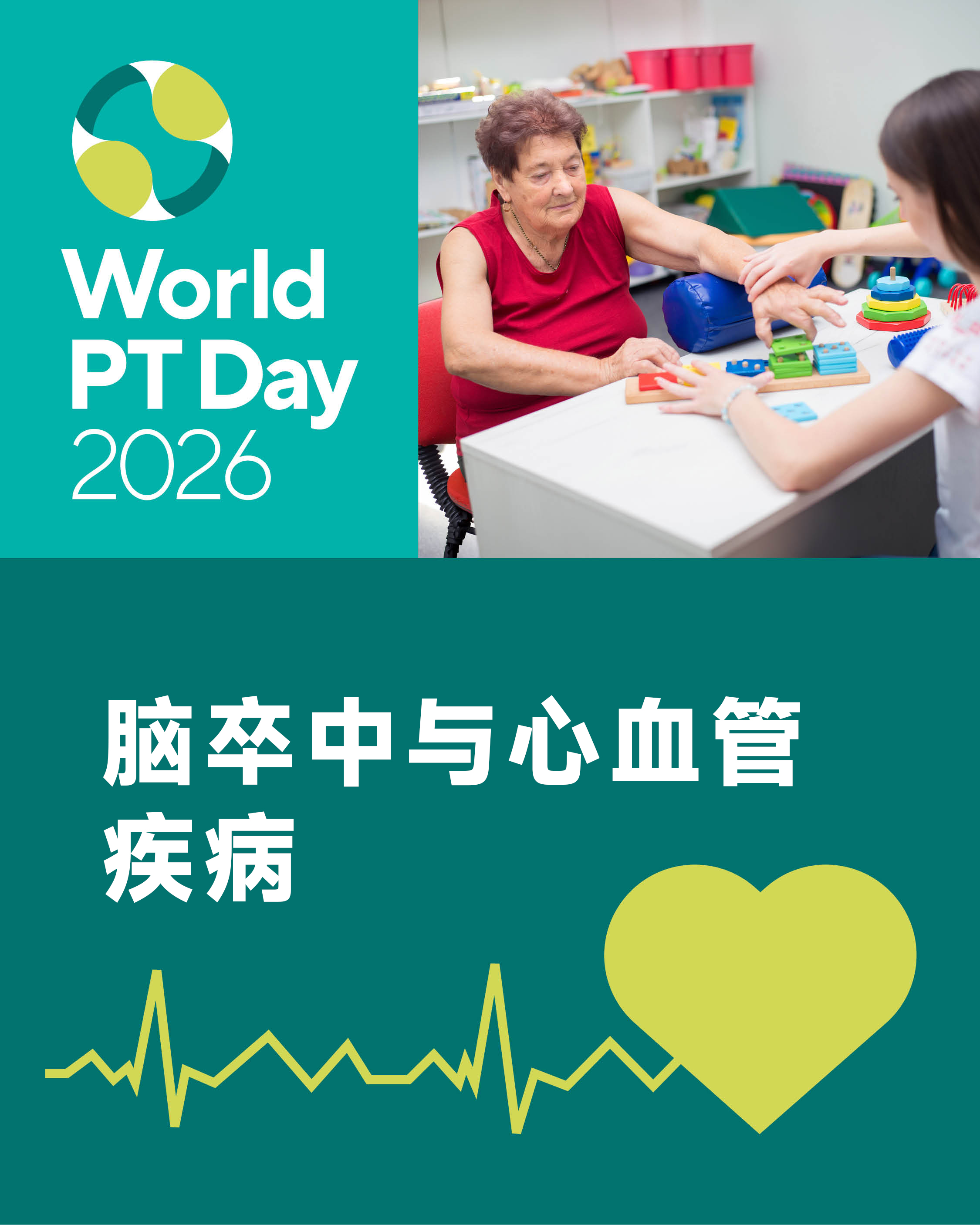
World Physical Therapy Day 2026: Cardiovascular Disease and Stroke — Why See a Physical Therapist?12
Source: News Center
2026-09-08

Salute to every physical therapist.
Every year on September 8th, we celebrate World PT Day, the shared festival for physical therapists across the globe. The date marks the founding of World Physiotherapy in 1951. It was officially designated as World PT Day in 1996, and the observance has now spanned 31 years.
In 2026, World Physiotherapy has selected its theme: Cardiovascular Disease and Stroke — focusing on the role of physical therapy and physical activity in the prevention, management and rehabilitation of cardiovascular disease and stroke.
The organization also announced that World PT Day will continue to focus on non-communicable diseases (NCDs) over the next four years, with cardiovascular disease and stroke kicking off this series.
This choice is no accident. Against the backdrop of population aging and the growing burden of chronic diseases, the professional expertise of physical therapists in cardiopulmonary and neurological rehabilitation is needed more than ever before.
Common Symptoms of Cardiovascular Disease
Many patients still experience discomfort after discharge. This is not "being overly sensitive", but real functional impairment caused by the disease — and it is the core reason why physical therapy intervention is needed in the later stage.
Patients with coronary heart disease, heart failure, hypertension and those after myocardial infarction surgery mostly develop functional disorders in addition to abnormal indicators:
Sharply reduced exercise tolerance: palpitations, shortness of breath, chest tightness and fatigue when walking or climbing stairs in daily life, leading to fear of movement and exhaustion
Autonomic nervous system disorders: frequent palpitations, excessive sweating, insomnia, vivid dreams, anxiety and orthostatic dizziness
Muscle atrophy and weakness: prolonged bed rest or inactivity reduces limb muscle strength and physical fitness, creating a vicious cycle of "the less you move, the weaker you get"
Deteriorated circulation and metabolism: lower limb edema, cold hands and feet, slow blood flow, raising the risk of recurrent thrombosis
Impaired ability for daily living: inability to complete housework or short trips normally, seriously affecting quality of life
Common Sequelae of Stroke
After successful emergency treatment for cerebral infarction or cerebral hemorrhage, most patients are left with varying degrees of functional impairment, which is the leading cause of disability:
Motor impairment of limbs: hemiplegia of hands and feet, weakness in lifting, circumduction gait, unsteady walking and high risk of falls
Abnormal muscle tone: limb stiffness, difficulty in flexion and extension, clenched hands, joint contracture and deformity
Balance and coordination disorders: unstable standing, dizziness while turning, inability to rise independently, swaying when sitting
Poor cardiopulmonary endurance: shortness of breath and palpitations even with low-intensity rehabilitation training, making systematic training hard to sustain
Frequent secondary complications: shoulder pain, scapulohumeral periarthritis, pressure ulcers, venous thrombosis, osteoporosis and depression
Medicines can hardly resolve these issues completely. Medication stabilizes the condition and controls indicators, while physical therapy restores function, rebuilds independence in daily life and reduces recurrence risk. Neither can be omitted.
Special reminder: Women, older adults and patients with diabetes often present atypical symptoms, which are more likely to be missed. If physical therapists can identify these "warning signs" during initial assessment and exercise testing, they may secure a critical time window for patient intervention — this is also one of the key points highlighted by World Physiotherapy this year.
The Golden Period of Physical Therapy
Many patients (and even some clinical colleagues) hold a misconception: once a stent is placed or a thrombus is removed, treatment is finished.
In fact, emergency management in the acute phase is only the starting point.
Acute phase (inpatient treatment stage): The primary goal is to save lives, stabilize indicators, control risks, and prevent disease deterioration and sudden adverse events.
Recovery phase (long-term post-discharge stage): The primary goal is to restore physical function, rebuild motor capacity, improve cardiopulmonary status, and prevent recurrent events. This lies right within the core scope of physical therapy.
World Physiotherapy clearly emphasizes that cardiovascular disease and stroke are chronic conditions that can be prevented, rehabilitated, and associated with reduced disability and recurrence rates. Evidence-based physical therapy and exercise intervention serve as key components of whole-course management, rather than merely supplementary conditioning.
Blind rest will only lead to further muscle atrophy, continuous deterioration of cardiopulmonary function, joint stiffness and adhesion, and slower blood flow. This not only worsens sequelae but also significantly raises the risk of recurrent myocardial infarction and recurrent cerebral infarction.
Evidence shows that exercise-based cardiac rehabilitation reduces all-cause mortality by approximately 20% among patients after cardiac events. Exercise therapy across all stages of stroke (from inpatient care to long-term community rehabilitation) can improve patients' physical function, mobility, balance and quality of life.
Problems Addressed by the Physical Therapy Department
Many people’s understanding of physical therapy is limited to "relaxation and stretching", which is a major misconception. For patients with cardiovascular disease and stroke, physical therapy is a systematic rehabilitation programme featuring initial assessment, customized plans, precise intervention and long-term follow-up.
Step 1: Comprehensive systematic assessment to identify the root causes of problems.
Rehabilitation should not be blind, and assessment is the prerequisite. Physical therapists conduct comprehensive and refined assessments tailored to individual patients instead of adopting one-size-fits-all training plans:
Cardiopulmonary function assessment: heart rate, blood pressure fluctuations, exercise tolerance, hypoxia tolerance, to determine the safe exercise range
Limb function assessment: muscle strength, muscle tone, range of motion, balance ability and gait status
Activities of daily living assessment: self-care abilities such as dressing, washing, walking and transferring
Risk assessment: risks of thrombosis, falls, exercise-induced discomfort and recurrence
Systematic assessment can precisely distinguish which symptoms are residual from the disease, which result from disuse deterioration caused by prolonged inactivity, and which are secondary injuries triggered by poor posture. It provides an accurate basis for subsequent rehabilitation.
Step 2: Targeted intervention to address core functional impairments
Based on assessment results, personalized rehabilitation plans are formulated to resolve patients’ problems one by one:
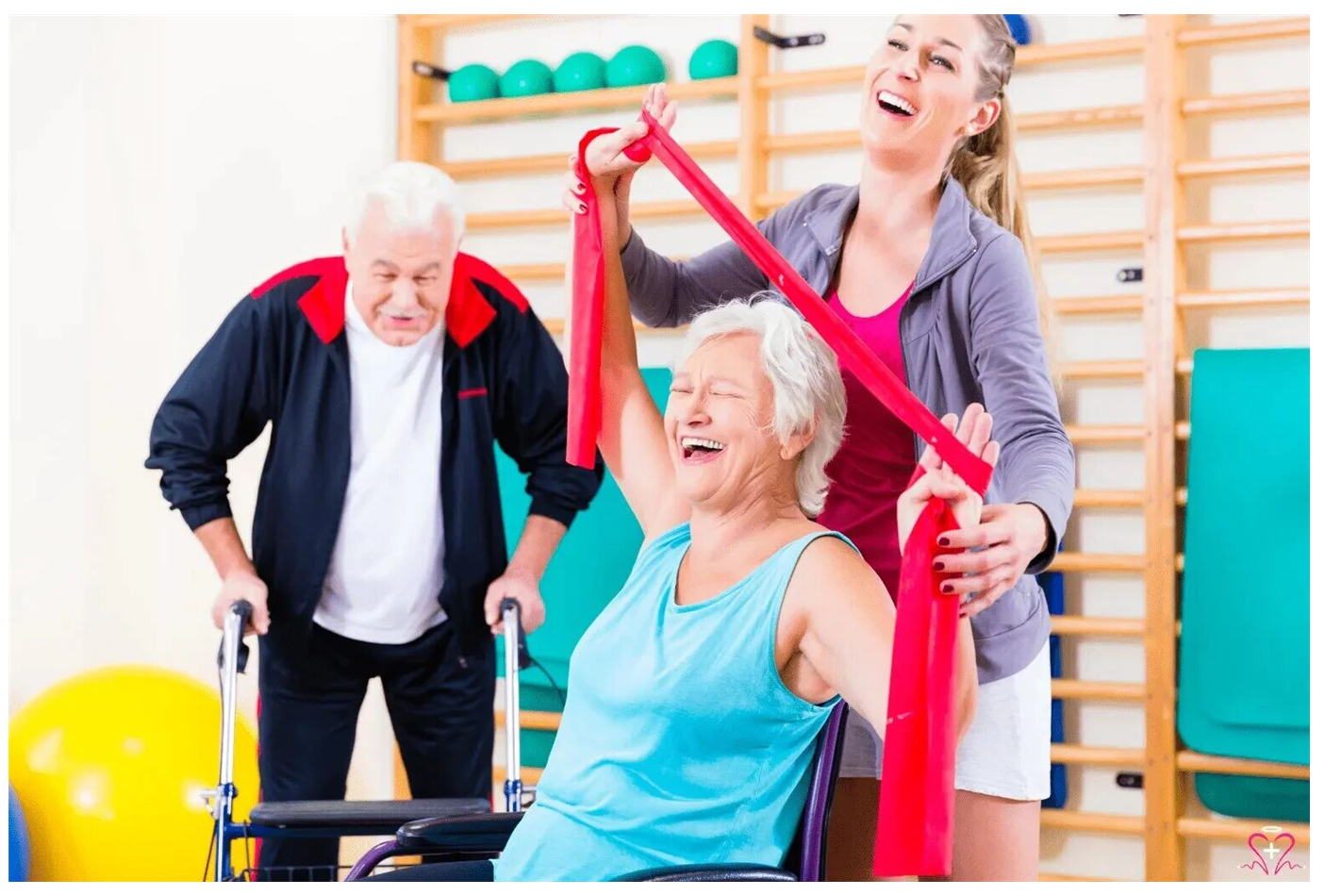
Cardiopulmonary rehabilitation intervention: Stepwise aerobic training, breathing exercises and thoracic mobility training to relieve palpitations and shortness of breath, improve cardiopulmonary endurance, enabling patients to walk safely, stay active and reduce fatigue.
Hemiplegia rehabilitation for limbs: Passive range-of-motion exercises, muscle activation, anti-spasticity training, balance and gait training to ease limb stiffness and weakness, correct abnormal walking patterns, and gradually restore limb control.
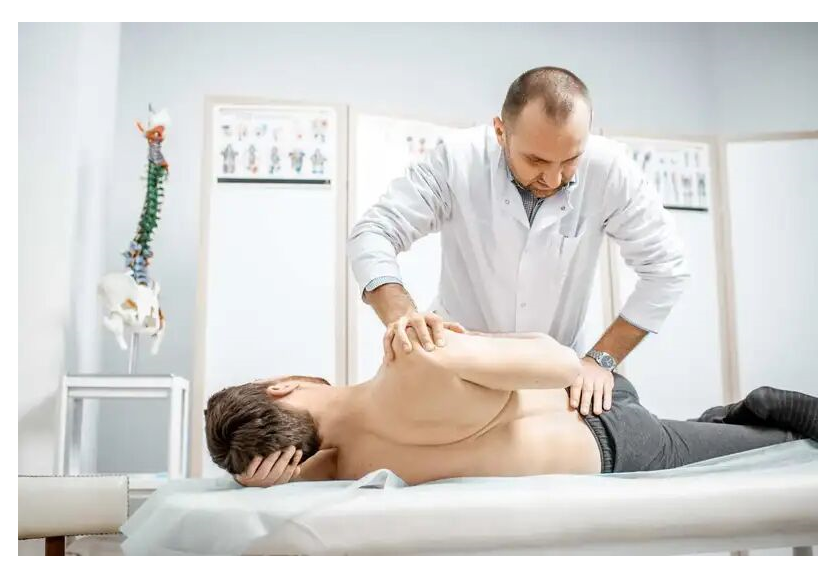
Intervention for pain and secondary complications: Professional physical modalities, manual release and postural correction to alleviate shoulder pain, joint stiffness and muscle soreness, and prevent complications such as joint contracture, pressure ulcers and thrombosis.
Activities of daily living reconstruction: Targeted training on functional movements including transferring, standing, walking and stair climbing, helping patients regain independent living.
Targeted Prevention in the Physical Therapy Department
One noteworthy piece of information from this year’s official World PT Day materials systematically outlines the role of physical therapists in cardiovascular disease prevention:
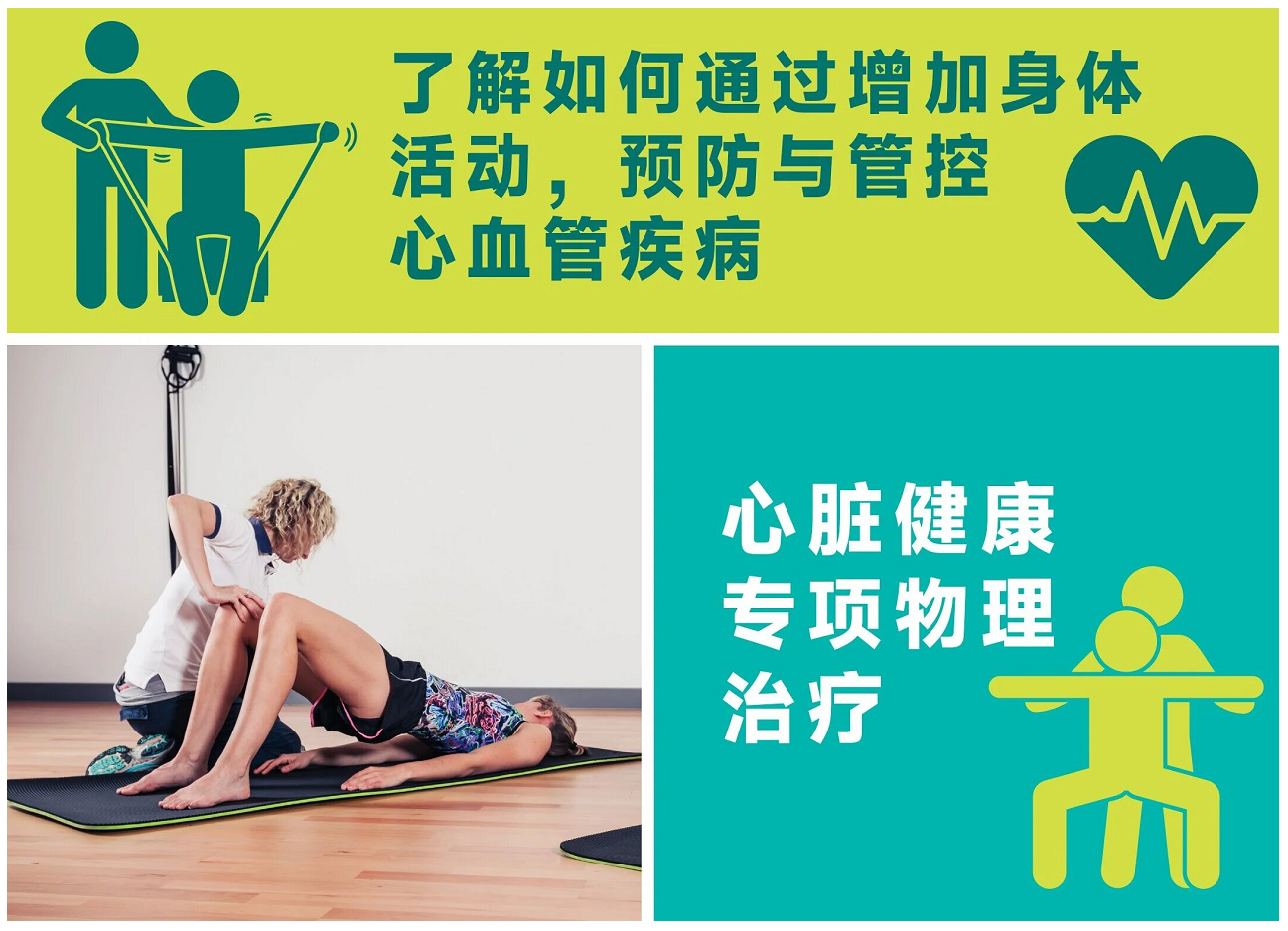
Identify high-risk populations: Conduct initial risk screening through medical history taking, physical examination and simple tests.
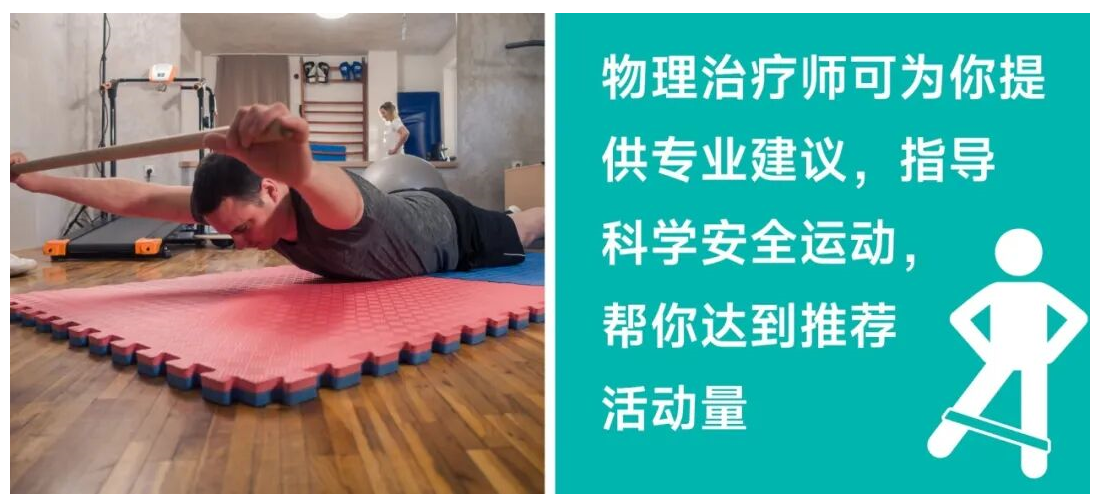
Design safe, individualized exercise programmes: For people with underlying illnesses, "more exercise" does not mean "exercise casually". The intensity, type and progression path all require professional supervision.
Promote regular physical activity: Behaviour change techniques (motivational interviewing, goal setting) help sedentary people start exercising and maintain adherence.
Facilitate early detection and early intervention: Recognise warning signs and make timely referrals.
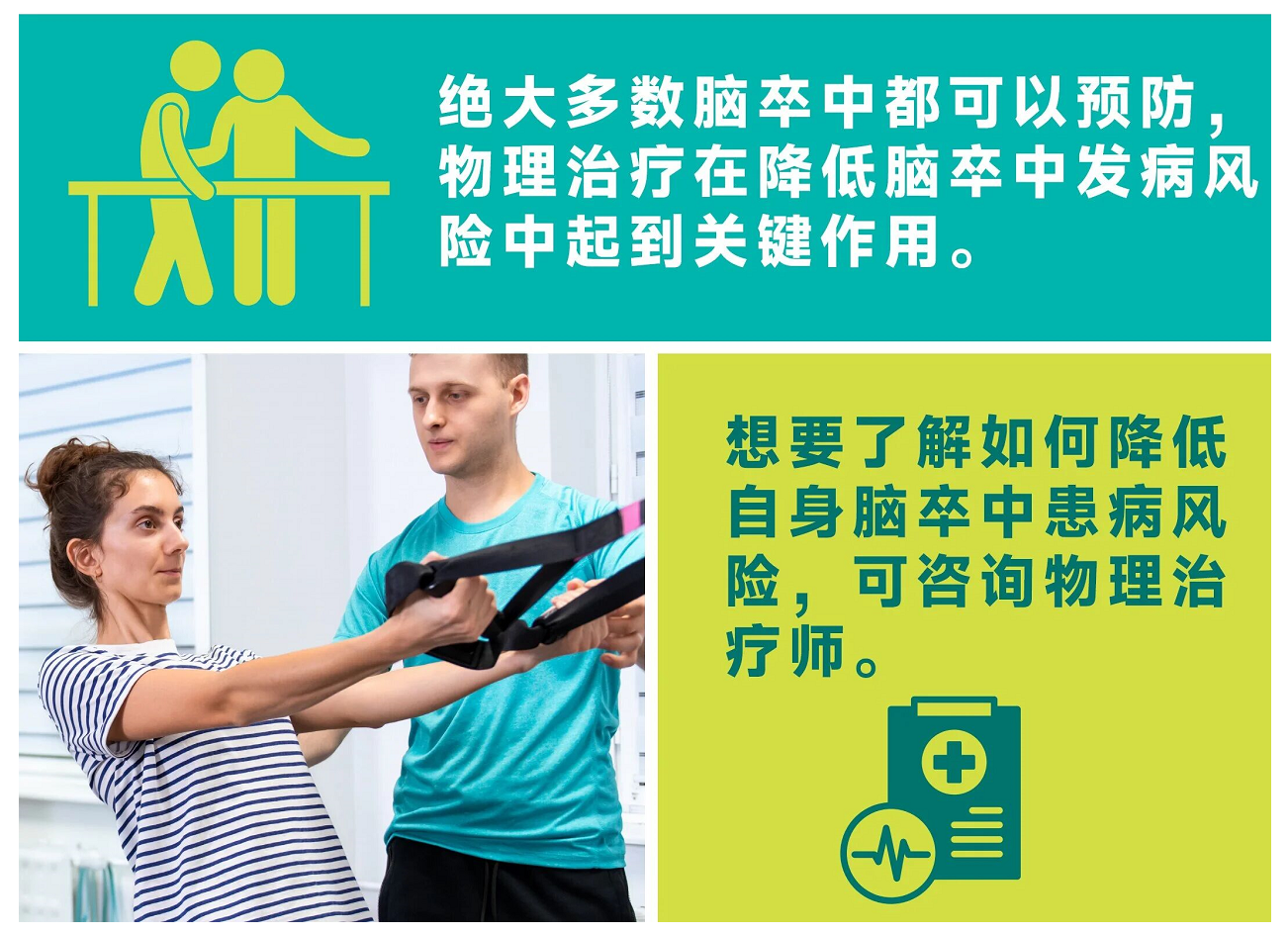
For high-risk populations (hypertension, hyperlipidaemia, arteriosclerosis, sedentary individuals), standardized physical exercise guidance, physical fitness intervention, posture and lifestyle correction can effectively improve blood circulation, control blood pressure and blood lipids, boost cardiopulmonary reserve, and reduce the risk of the first onset of disease.
For patients already living with these conditions, ongoing physical therapy follow-up, adjustment of exercise programmes and risk management can significantly lower the recurrence rate of cardiovascular events and stroke, achieving long-term stable health outcomes.
Closing Remarks
After reading the above content, you will understand that internal medicine and surgery address lesions and clinical indicators, while physical therapy focuses on function, quality of life and recurrence prevention.
You or your family members should seek timely consultation at the physical therapy department if you fall into any of the following situations:
Persistent palpitations, shortness of breath, poor physical fitness and fear of activity after myocardial infarction, coronary heart disease or heart failure treatment
Post-stroke hemiplegia, limb stiffness, unsteady gait and inability to manage daily life independently
Muscle weakness and physical debilitation caused by prolonged bed rest, with deteriorating health over time
Joint pain, ineffective training or worsening symptoms resulting from unsupervised rehabilitation exercises
Individuals with hypertension, hyperlipidaemia, hyperglycaemia or sedentary lifestyles seeking scientific prevention of cardiovascular and cerebrovascular diseases
Physical therapy is not merely a nice-to-have add-on. It is an essential medical intervention for chronic disease rehabilitation, sequelae management and disease prevention. Without standardized physical rehabilitation, many patients will live with persistent functional impairments and lose their ability to lead normal lives even when their lab indicators return to normal.
From 1951 to 2026, World Physiotherapy marks its 75th anniversary.
This year’s theme reminds us: Faced with the global health challenge of cardiovascular disease and stroke, physical therapists are not bystanders. They are professional practitioners involved throughout prevention, post-acute management and long-term rehabilitation.
Rehabilitation is never about waiting for spontaneous recovery. It relies on scientific intervention and active functional restoration.
Early assessment, early intervention and early rehabilitation represent the optimal rehabilitation pathway for cardiovascular disease and stroke.
Salute every physical therapist working on the front lines of clinical practice.
Happy World PT Day.