
9·8 World Physical Therapy Day | Understand and Respect the Value of Physiotherapists12
Source: News Center
2026-09-08

Honor every physiotherapist
In hospitals, we are accustomed to turning to internal medicine for illnesses, traditional Chinese medicine for pain, and surgery for operative care.
Yet many people remain confused: What exactly is physiotherapy? How does it differ from clinical medicine and traditional Chinese medicine?
Misconceptions have long persisted: physiotherapy is merely "relaxation and supportive wellness care", an optional add‑on service.
In reality, physiotherapy is an independent, evidence‑based complete medical system centered on human function. Especially amid the high prevalence of chronic illnesses and frequent cardiovascular‑cerebrovascular events, the irreplaceable value of physiotherapy is being validated by growing clinical data.
Today is September 8th, World PT Day. This observance marks the founding date of World Physiotherapy back in 1951. Established in 1996, it has now spanned thirty‑one years.
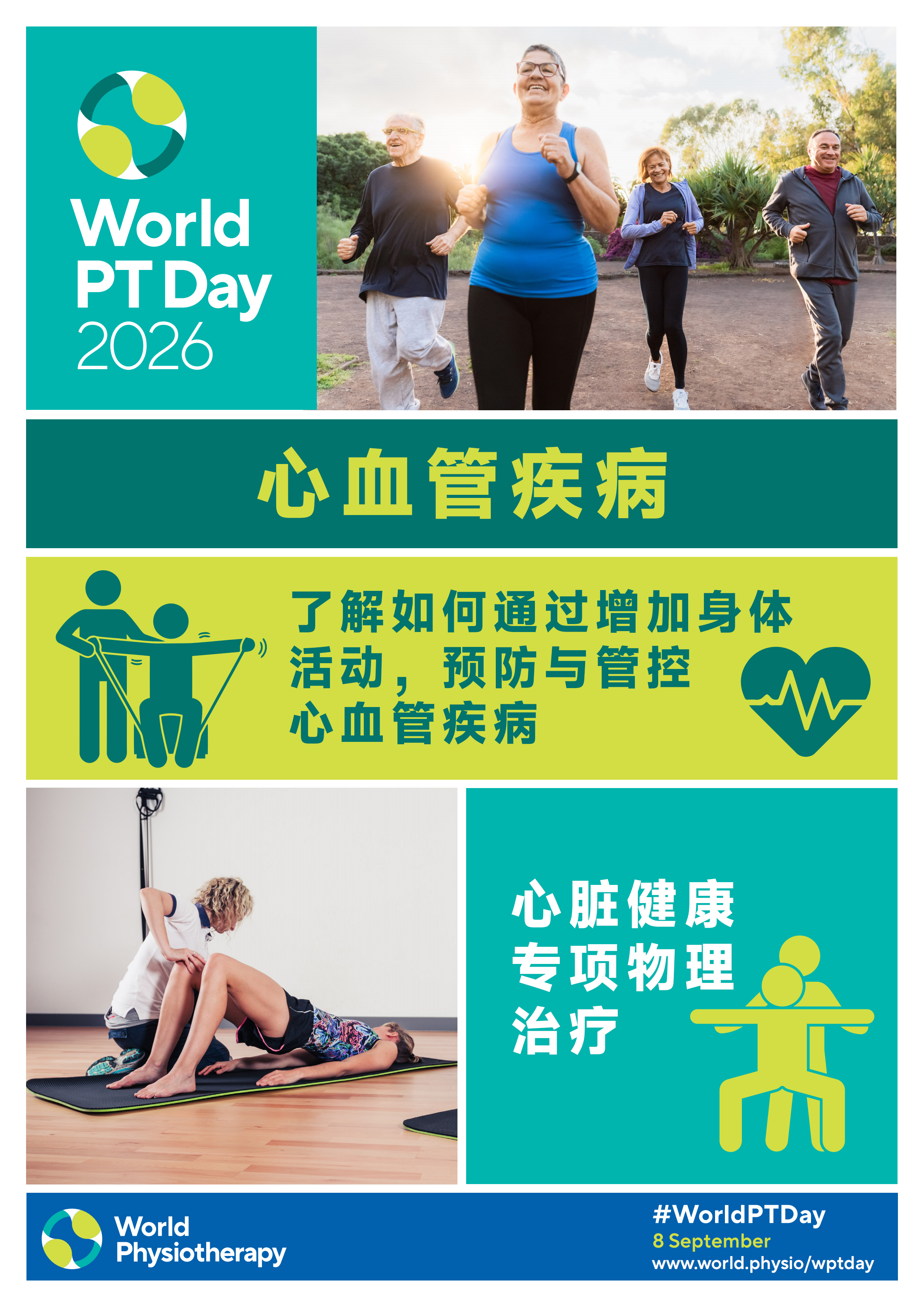
For 2026, the official theme is Cardiovascular Disease and Stroke — focusing on the role of physiotherapy and physical activity in their prevention, management and rehabilitation. It has also announced that non‑communicable diseases (NCDs) will remain a key focus for the next four years.
This theme itself powerfully demonstrates the unique value of physiotherapy: a profession that relies neither on scalpels nor pharmaceutical drugs, yet delivers irreplaceable outcomes against the world’s leading cause of death. It deserves to be recognized, understood and respected.
 |  |
What is physiotherapy
The definition given by World Physiotherapy is:
Physiotherapy (also known as Physical Therapy) is a service provided by physiotherapists. It aims to develop and maintain optimal movement and functional capacity, as well as health‑related well‑being across all life stages. Physiotherapists address health challenges resulting from ageing, injury, disease or environmental factors by promoting physical activity, improving function, relieving pain, and limiting impairment and disability.
Breaking down this definition reveals three key characteristics:
Centered on function — the focus is not on lab indicators or pathogens, but on what a person is still capable of doing.
Using physical activity and movement as primary tools — a non‑pharmacological, non‑surgical intervention distinct from scalpels and pharmaceutical medications.
Covering the entire life span — ranging from newborns in the ICU to palliative‑care patients, and from elite athletes to bed‑ridden older adults.
Its clinical reasoning is clear: rather than fixating solely on eliminating a single lesion, it adopts a functional‑medicine perspective. It assesses human movement patterns, cardiopulmonary reserve, musculoskeletal balance, and circulatory‑metabolic capacity to identify functional deficits underlying illness. Evidence‑based interventions are then applied to restore physical performance, return the body to proper function, and fundamentally reduce recurrent pain and physical disability.
In light of the 2026 annual theme, physiotherapy stands as a core component in the full‑cycle management of cardiovascular and cerebrovascular diseases. It enables early intervention for at‑risk populations, supports clinical management of chronic conditions, and rehabilitates sequelae of stroke and cardiovascular disorders. It fills a gap within conventional healthcare systems that often “treat disease but neglect function”.
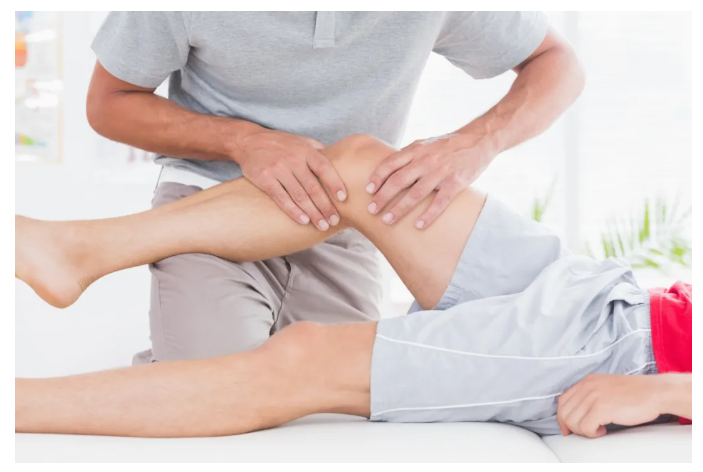
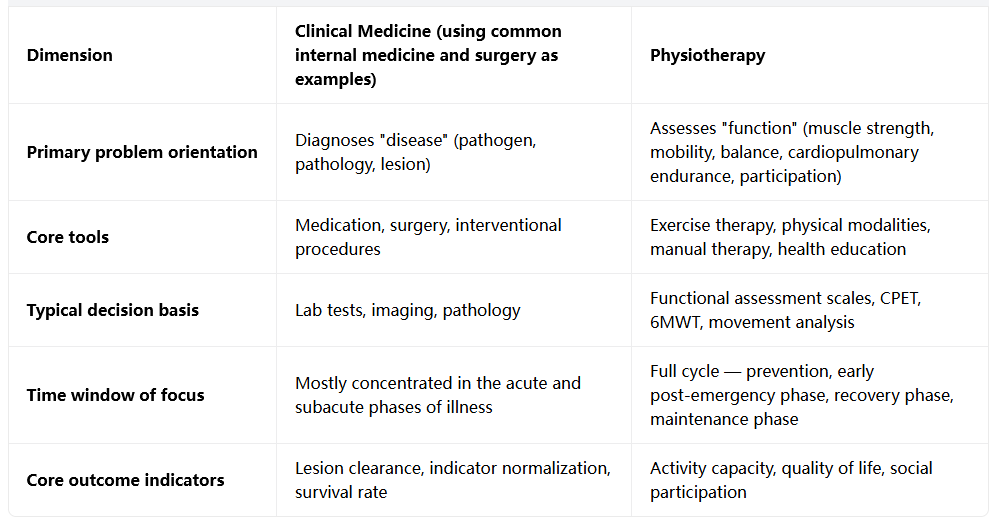
Differences Between Physiotherapists and Clinical Medicine
A preliminary note: Physiotherapy and clinical medicine are not a matter of "which is superior". Instead, they feature different divisions of labor and work in complementary collaboration.
To give a concrete example: a patient with acute myocardial infarction.
What clinicians do: restore blood‑flow via PCI or thrombolysis, manage complications, and adjust medications to bring the cardiac event under control. Saving the patient’s life is their irreplaceable contribution.
What physiotherapists do: ‑ Assess the patient’s current cardiopulmonary endurance, muscle strength, kinesiophobia, and metabolic risk factors; ‑ Develop individualized exercise prescriptions (Phase I: early in‑hospital mobilization → Phase II: supervised out‑of‑hospital training → Phase III: long‑term maintenance); ‑ Address anxiety and kinesiophobia; ‑ Systematically restore physical capacity with precise dosing based on the FITT principle (Frequency, Intensity, Time, Type), and translate these gains into sustainable long‑term lifestyle habits.
Professor Deng Jinggui from Hunan Provincial People’s Hospital, recipient of the Lifetime Achievement Award from the Chinese Association of Rehabilitation Medicine, put it well: “Clinical medicine gives patients life; rehabilitation medicine gives life quality and dignity.”
Clinical medicine and physiotherapy stand on the same care continuum, each with distinct and irreplaceable roles.
Cardiovascular disease and stroke were chosen as the theme for World PT Day 2026 precisely because these two conditions best illustrate the scope for functional reconstruction following clinical intervention. Blood vessels may be reopened, yet whether a person can walk, how far they can go, how many flights of stairs they can climb, and whether they can return to work — these matters beyond mere survival are where physiotherapy makes its impact.
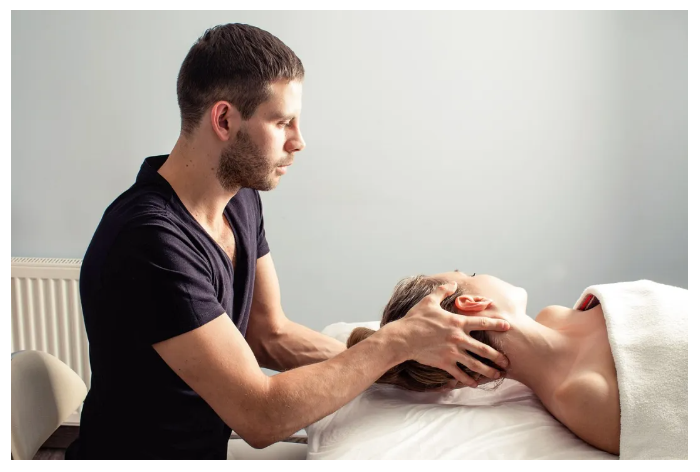
Differences Between Physiotherapy and Traditional Chinese Medicine
Traditional Chinese Medicine is extensive and profound. It emphasizes holistic perspectives and treatment based on syndrome differentiation, and boasts unique advantages in chronic‑condition management, pain care and functional disorders.
In clinical practice, the combination of Traditional Chinese Medicine and physiotherapy can achieve excellent synergistic effects.
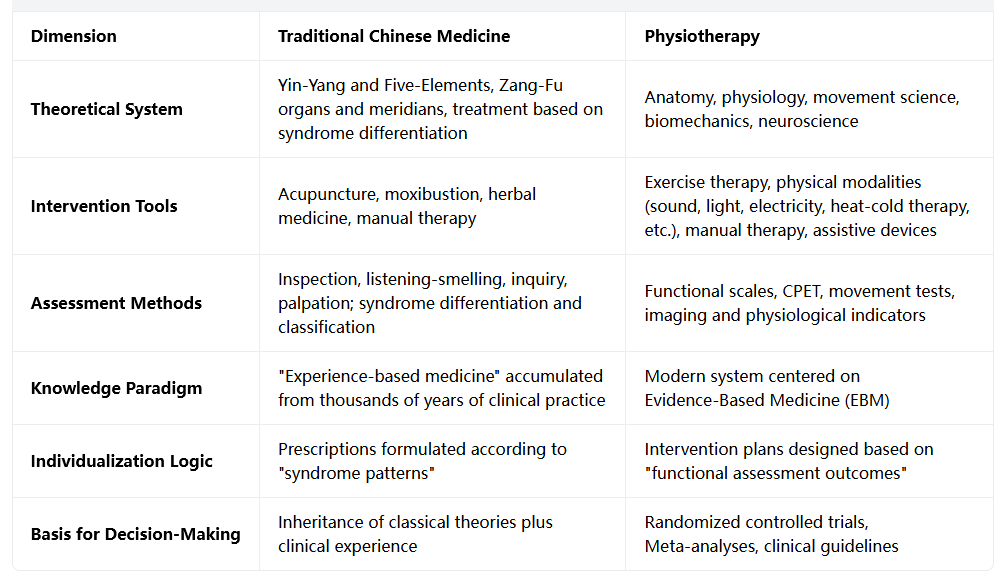
It should be emphasized that the two frequently work synergistically in the field of functional rehabilitation.
A common clinical practice is: following acute‑phase management by Western medicine, Traditional Chinese Medicine steps in for conditioning and partial symptom relief, while physiotherapy delivers quantifiable, trackable plans through assessment and exercise therapy. The three approaches complement one another, all ultimately aiming for patients’ functional recovery.
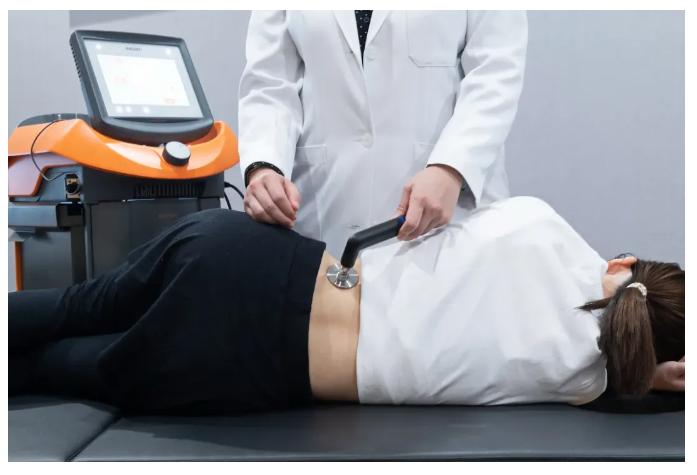
The Uniqueness of Physiotherapy
Many people wonder why physiotherapy is indispensable for cardiovascular‑cerebrovascular rehabilitation, sports‑injury recovery, and sub‑health management.
The answer lies in its two exclusive core strengths: standardized evidence‑based medicine and precision‑oriented functional medicine.
Strictly evidence‑based medicine, rejecting experience‑oriented conditioning.
Physiotherapy is one of the early medical‑related disciplines to fully adopt the framework of Evidence‑based Medicine (EBM).
A standard physiotherapy clinical decision generally integrates three categories of evidence:
Current best research evidence: derived from randomized controlled trials, systematic reviews, and clinical guidelines;
Therapists’ professional experience and clinical judgment;
The patient’s values, goals, and life circumstances.
All assessments, manual techniques, training programs, and physical‑activity guidance in physiotherapy are backed by abundant clinical data and medical research.
Rather than relying on subjective experience or intuition, therapists pinpoint root causes through standardized scales, functional tests, and dynamic movement analysis. Every intervention plan is scientific, targeted, and traceable.
This marks its key distinction from general wellness and traditional conditioning: it is a medical practice, not a health‑preservation service.
Focusing on functional medicine to restore the body’s operational capacity
If the core unit of analysis for clinical medicine is "disease", and for Traditional Chinese Medicine it is "syndrome pattern", then for physiotherapy the core unit of analysis is "function".
This functional‑approach perspective encompasses three levels:
Body structure and function level: muscle strength, joint range of motion, muscle tone, cardiopulmonary endurance, sensation, and proprioception;
Activity level: the ability to perform specific tasks such as sitting up, standing, walking, stair climbing, running and jumping;
Participation level: the ability to return to work, shop and travel independently, fulfill family roles, and resume beloved sports.
The ICF (International Classification of Functioning, Disability and Health) systematizes and standardizes "function" and "disability". It enables physiotherapists to describe problems with a common language and communicate within multidisciplinary teams.
This represents the most mature application of the functional approach within physiotherapy: turning vague complaints of "poor function" into measurable, intervenable, and verifiable goals.
The core work of physiotherapy is to remedy these functional deficits that conventional medical care cannot address:
‑ Prevention: Through evidence‑based physical‑activity guidance, improve cardiopulmonary performance and blood circulation for the general population, lowering the risk of cardiovascular disease and stroke. ‑ Management: Help patients with chronic cardiovascular conditions stabilize physical fitness, boost cardiopulmonary tolerance, reduce disease fluctuations, and improve chronic‑disease management outcomes. ‑ Rehabilitation: Systematically remediate limb and cardiopulmonary impairments left by stroke and cardiovascular disorders, reduce disability rates, and support patients in returning to ordinary daily life.
In short: Clinical medicine keeps you alive; Traditional Chinese Medicine makes you feel well; physiotherapy enables you to move, live fully, and sustain long‑term health.

Tribute to Physiotherapists
On World Physiotherapy Day, September 8 2026, we deliver not only health‑science popularization, but also a tribute to professional values.
Behind the unseen frontlines of rehabilitation, physiotherapists apply rigorous evidence‑based thinking and precise functional‑restoration techniques. They help countless stroke patients overcome paralysis and regain self‑care capacity, guide cardiovascular patients out of the misconception of excessive bed rest and stabilize their conditions, shield people with sub‑health from hidden chronic‑disease risks, and support sports enthusiasts to recover from injuries and return to competition.
The best therapy is never merely about relieving pain and illness. It is about restoring function and preserving vitality.
Professor Zhou Shifang, Lifetime Professor of Nanjing Medical University and one of the founding fathers of sports medicine and rehabilitation medicine in China, once remarked: “What we do is ordinary work, yet greatness is forged out of ordinariness.”
To respect physiotherapy and every physiotherapist dedicated to rehabilitation is to respect a more scientific, holistic, and high‑quality approach to health.
September 8, 2026 marks the 31st World Physiotherapy Day.
Tribute to every physiotherapist.
Happy World PT Day 2026!