
Official 2026 WPT World Physical Therapy Day Toolkit (Jianheng Translation Version) – Download Now!12
Source: News Center
2026-06-26

World PT Day 2026 is approaching. World Physiotherapy has announced the official annual theme: Stroke and Cardiovascular Disease – The Essential Role of Physical Therapy and Evidence-Based Exercise in the Prevention, Intervention and Rehabilitation of Chronic Diseases. This year’s public awareness campaign will focus on chronic cardiovascular and cerebrovascular diseases, a major public health concern.
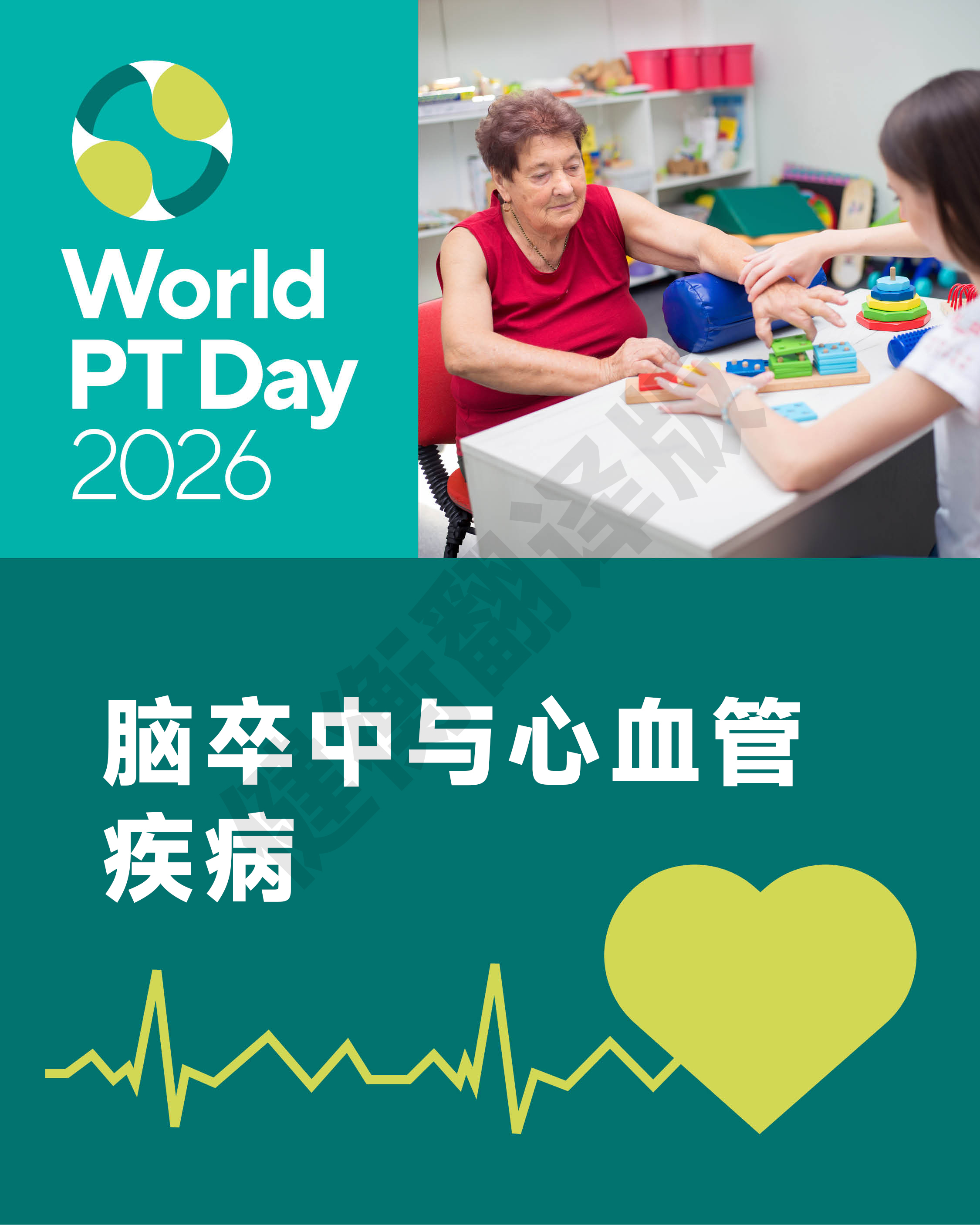
These are the Jianheng translated version posters, designed for public education use by domestic rehabilitation institutions and physiotherapists. The complete set of Chinese themed posters is shown below:
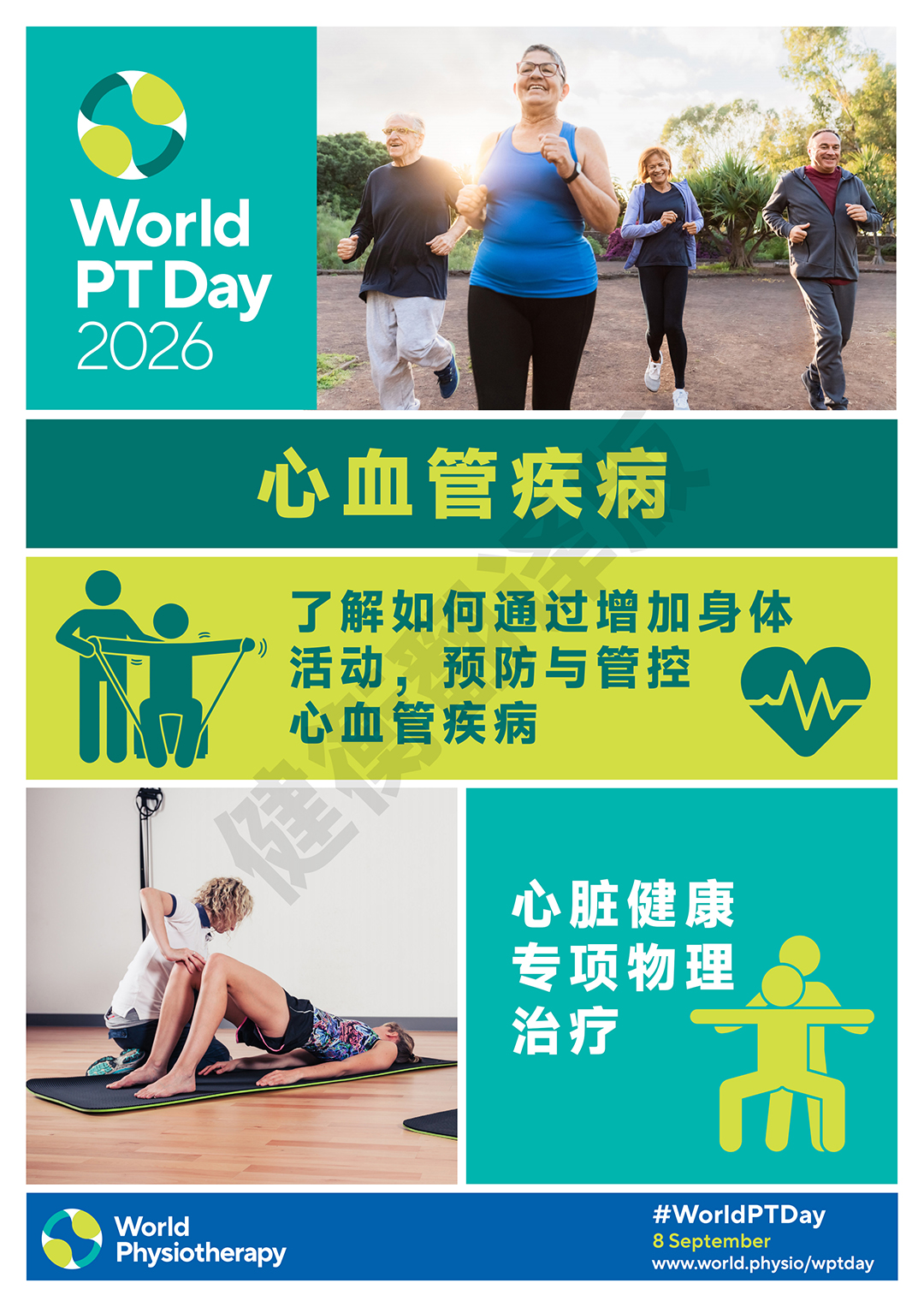
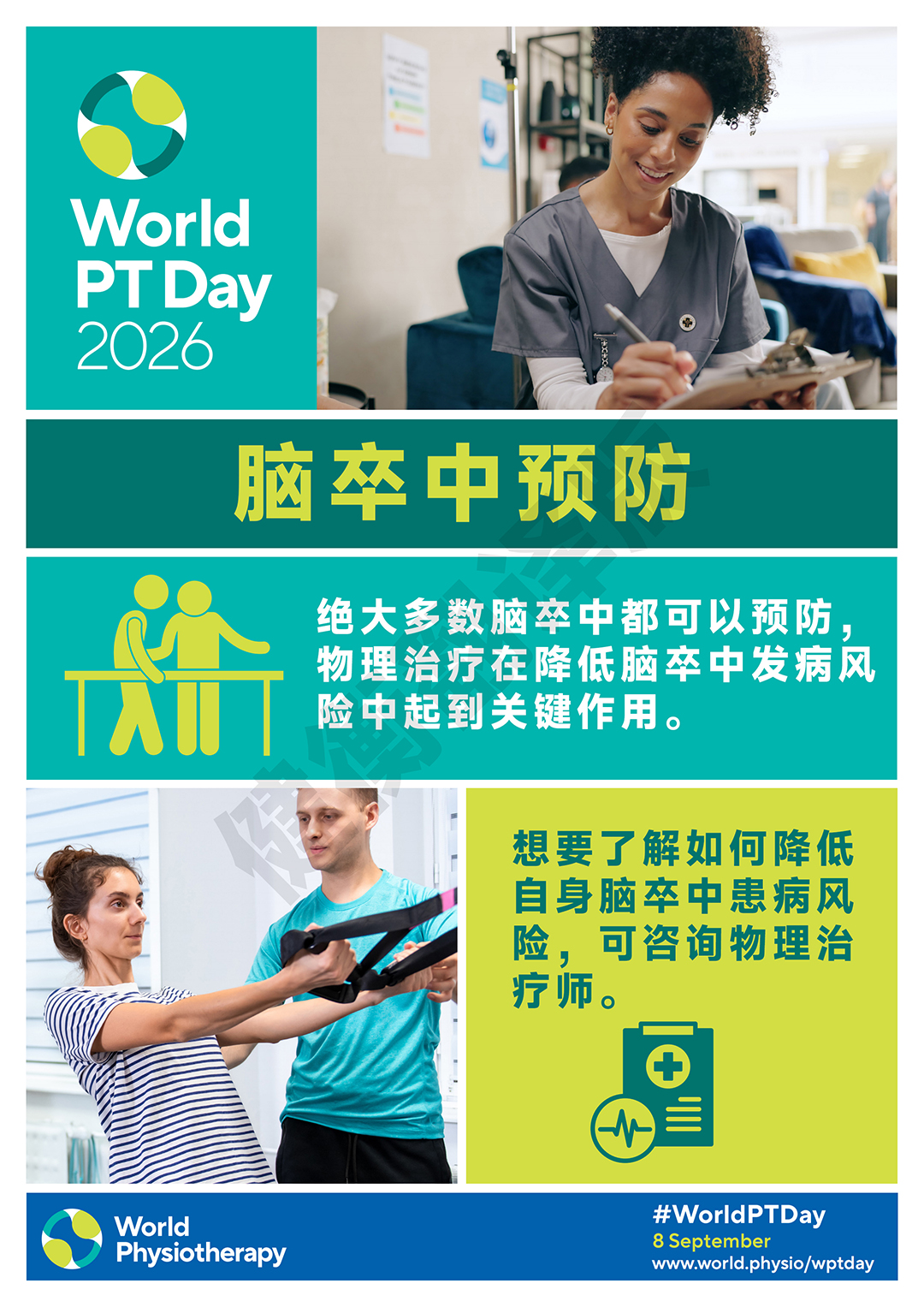
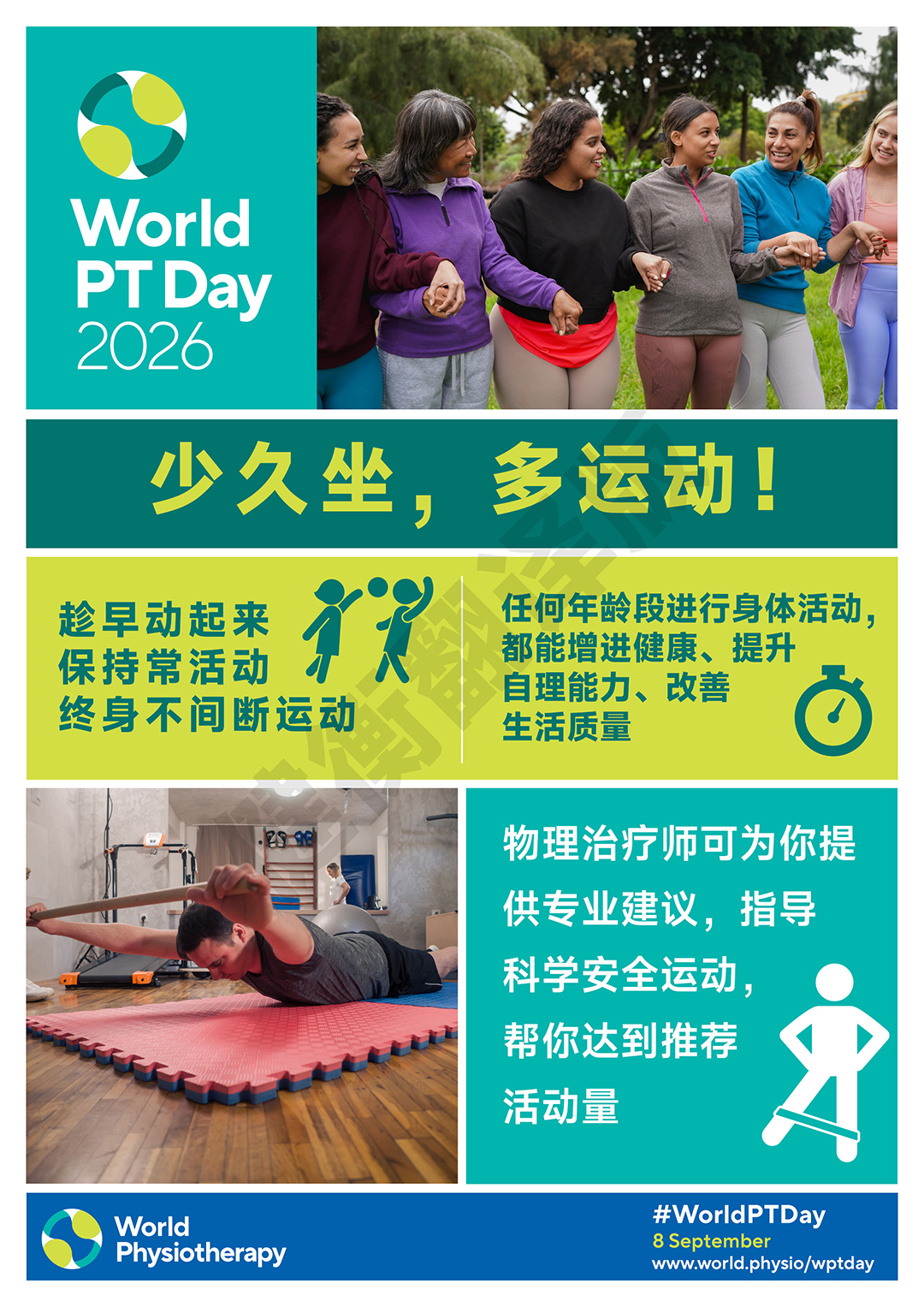
Scan the cloud disk QR code below
to download the full WPT promotional toolkit with one click

I. World PT Day: September 8 – The Official Day for All Rehabilitation Professionals
World Physiotherapy was formally established on 8 September 1951. It has designated 8 September each year as World PT Day since 1996, marking the 31st observance this year.
The core purpose of establishing this day is to educate the global public about the professional value of physiotherapy and correct common misconceptions regarding rehabilitation and physical therapy. It aims to help everyone understand that physiotherapy is not merely post-injury rehabilitation, but also a lifelong approach to chronic disease prevention and health management.
World Physiotherapy has mapped out a four-year public education roadmap spanning 2026 to 2029, with a central focus on non-communicable chronic diseases. The 2026 campaign prioritizes addressing cardiovascular and cerebrovascular conditions, the leading cause of death worldwide.
Statistics indicate that cardiovascular disease has long been the world’s number one killer, claiming more than 20 million lives each year. 85% of these deaths are attributable to heart attacks and strokes. A large proportion of these health risks can be reduced through evidence-based interventions — an area where physiotherapists can deliver vital professional care.
II. In-depth Interpretation of the 2026 Annual Theme: Cardiovascular and Cerebrovascular Health, Protected Throughout the Journey by Physiotherapy
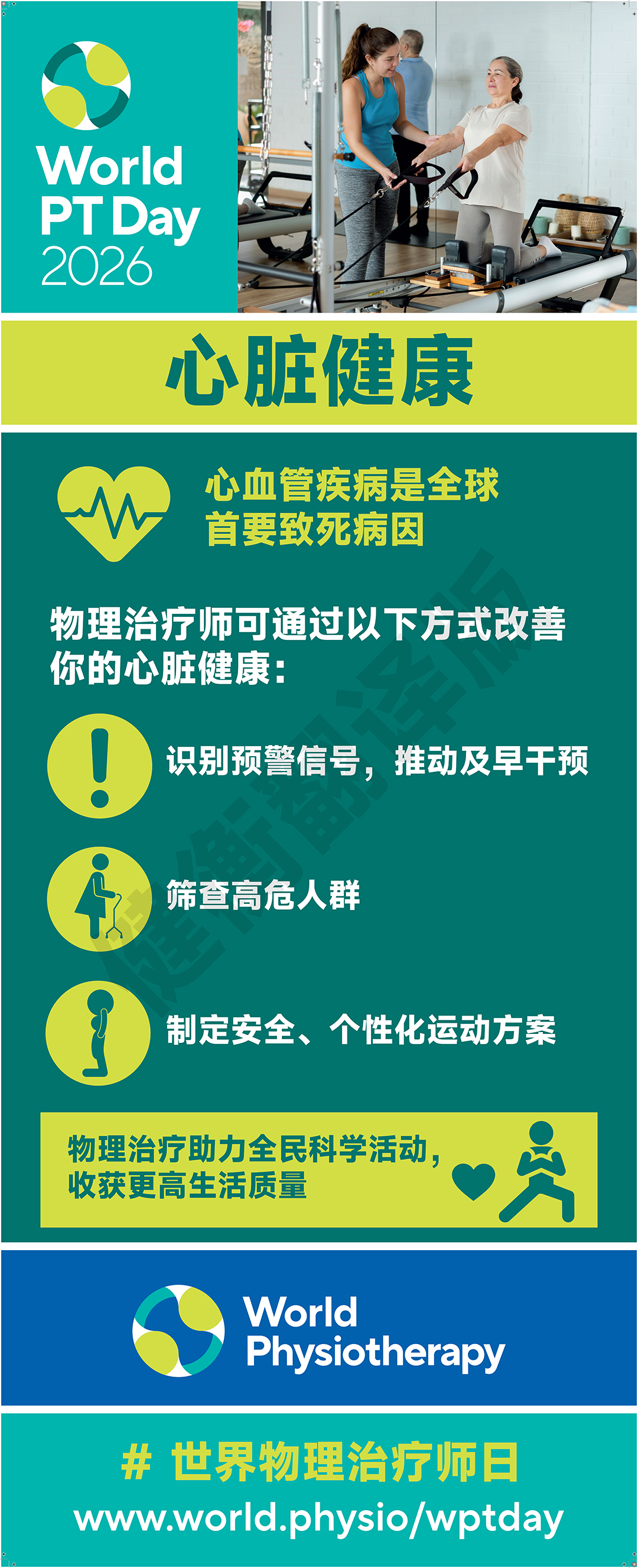
1、Prevention and Management of Chronic Heart Disease: Physiotherapy Building a Frontline Health Defence
Many people assume heart conditions only require cardiology treatment, while overlooking the irreplaceable role of physiotherapy in prevention and post-surgical rehabilitation. Physiotherapists carry out three core professional services for cardiac health:
Identify warning signs and facilitate early intervention: Assess cardiovascular warning signs such as chest tightness, shortness of breath and fatigue after physical activity through clinical assessment, guide high-risk groups to seek medical care promptly, and reduce the risk of acute episodes.
Screen high-risk populations: Conduct cardiopulmonary fitness assessments for middle-aged and elderly people, as well as those with hypertension, hyperlipidaemia, obesity, and sedentary office workers, and classify their health risk levels.
Develop safe personalised exercise programmes: Unlike generic unregulated fitness training, tailor exercise intensity according to blood pressure and cardiopulmonary function to steadily manage blood pressure and blood lipids, and reduce the risk of heart attacks at the source.
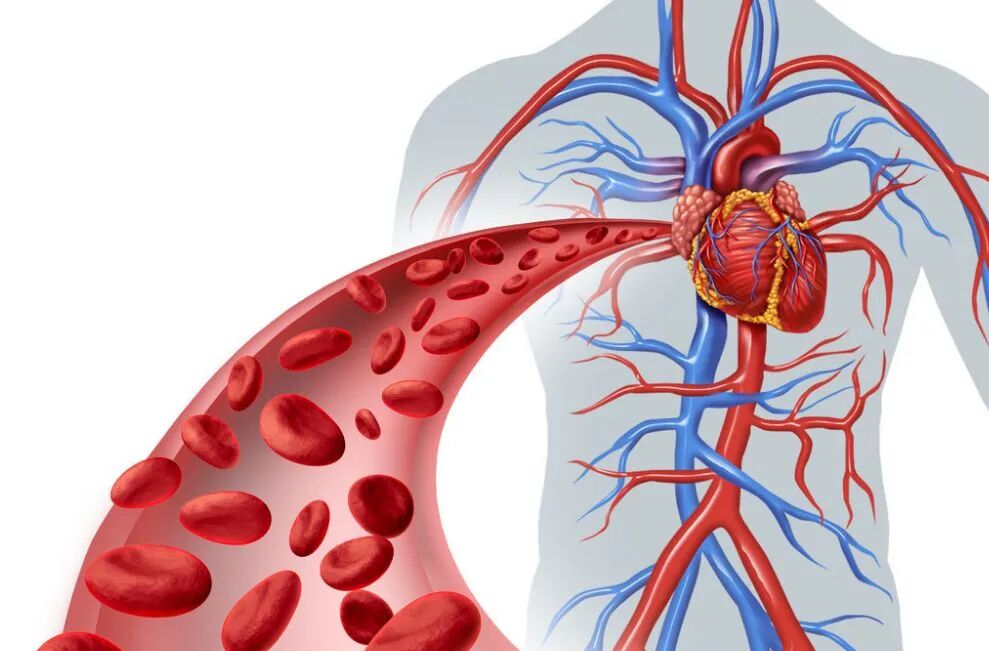
1、For patients with cardiovascular disease, physiotherapists can provide the following professional support:
Acute post-operative rehabilitation: Following heart attacks, cardiac bypass or stent procedures, guide bed positioning and breathing & sputum-clearing exercises to prevent pulmonary infection and deep vein thrombosis, enabling a safe transition to early mobilisation.
Cardiopulmonary function reconstruction: Progress gradually from low-intensity bed-based activities and slow walking to structured aerobic training, improve cardiac tolerance, and relieve symptoms such as breathlessness and persistent fatigue with daily activity.
Long-term chronic disease management: Develop gentle home-based exercise programmes for patients with coronary artery disease, heart failure and hypertension to sustain stable vital indicators and reduce the risk of angina pectoris and disease recurrence.
Exercise risk protection: Continuously monitor heart rate and blood pressure during exercise, avoiding dangerous symptoms such as palpitations and chest tightness caused by unsupervised independent workouts.
Whether for daily chronic disease prevention or cardiopulmonary rehabilitation after heart attacks, physiotherapy uses gradual breathing training, low-intensity aerobic exercise and strength training to improve patients’ exercise tolerance, reduce disease recurrence, and help them return to normal daily life.
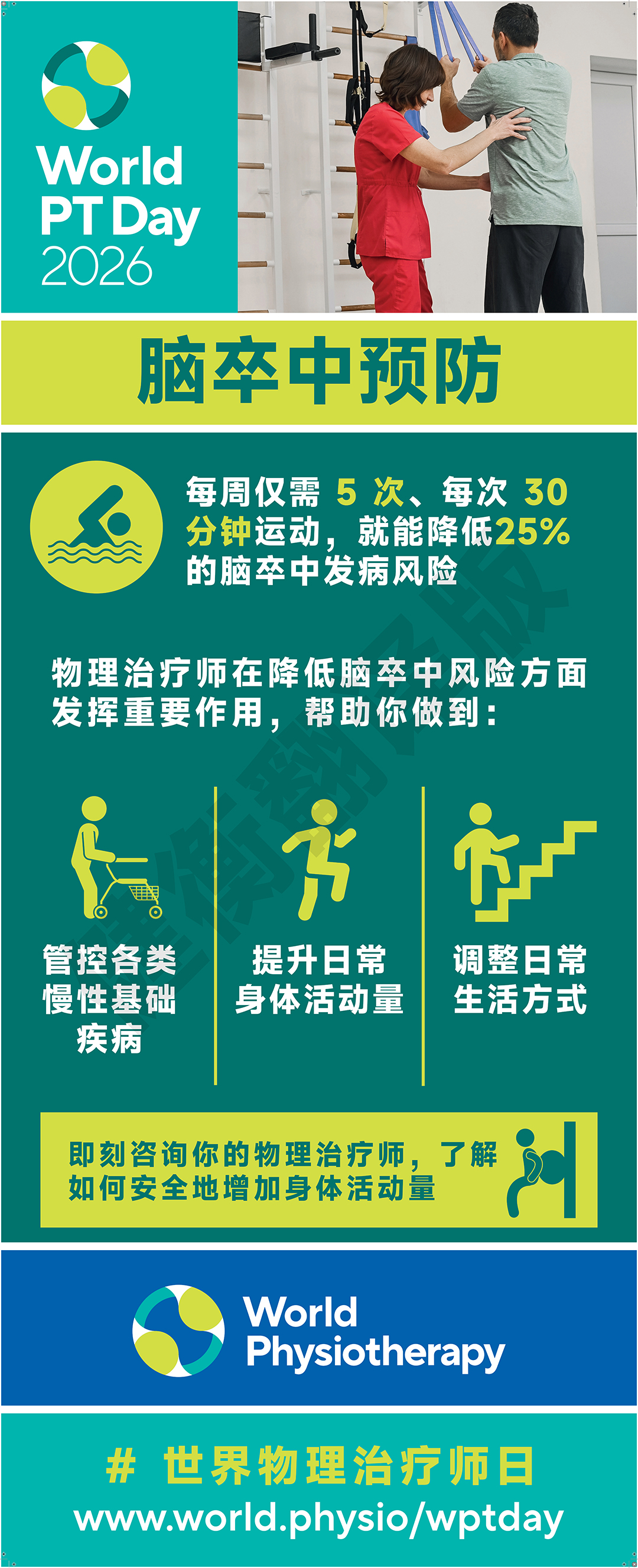
2、Stroke Prevention and Rehabilitation: Regular Physical Activity Reduces Stroke Risk by 25%
Official public health data from World Physiotherapy confirms clearly: regular moderate physical activity – 30 minutes, five times per week – directly reduces the risk of stroke by 25%.
Physiotherapists help the general public reduce stroke risk in three key ways:
Manage chronic underlying conditions: Develop customised exercise programmes to help stabilise major stroke risk conditions including hypertension, diabetes and hyperlipidaemia;
Increase daily physical activity levels: Design walking, stair climbing and simple home-based exercises for sedentary populations and older adults, to address health risks caused by prolonged sitting;
Improve daily lifestyle habits: Correct unhealthy behaviours such as inactivity, poor posture and overexertion, and build sustainable long-term healthy routines.
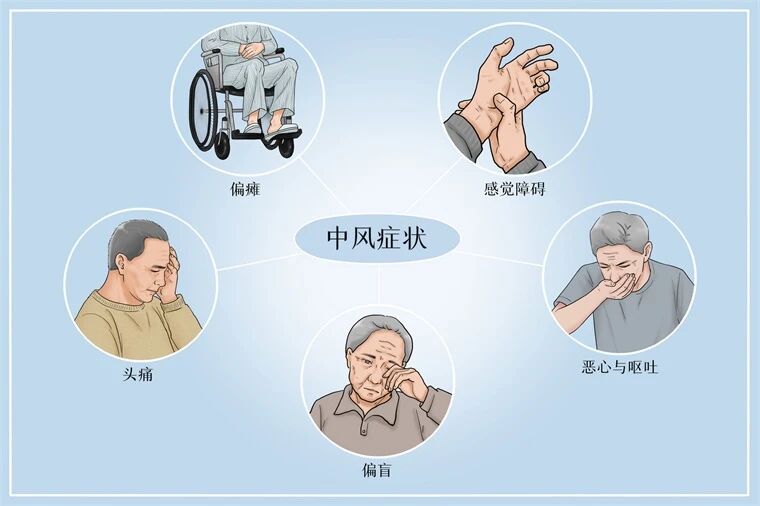
For stroke survivors, physiotherapy rehabilitation interventions span the entire disease course.
Acute bedridden phase: Correct limb positioning, passive joint mobilisation and turning training to prevent muscle spasticity, pressure injuries, joint deformities and pulmonary complications;
Functional reconstruction during the recovery phase: Strength training, balance training and gait retraining to address hemiplegia, unsteady walking, foot dragging and other impairments, and re-learn independent standing and walking;
Fine motor training: Instrument-based and hand function training for hand stiffness and weak grip strength, to restore basic daily self-care activities such as dressing, eating and drinking;
Long-term management of residual impairments: Develop home maintenance exercise programmes to relieve numbness, stiffness and pain, prevent functional decline and reduce the risk of recurrent stroke.
For patients living with stroke sequelae such as hemiplegia, poor balance, walking difficulties and impaired hand function, physiotherapy forms the core of rehabilitation. Systematic functional training helps maximise the recovery of independent daily living ability and reduce the burden of family care.
III. Core Public Health Initiative: Reduce Sedentary Time, Move More, and Consult a Physiotherapist for Evidence-Based Exercise
This year’s theme delivers a simple, practical health message to people of all ages: regular physical activity improves cardiopulmonary function, preserves independent living ability and enhances overall quality of life for children, adults and older adults alike.
However, when people exercise on their own, they often ignore their individual physical conditions, creating multiple hidden health risks. People with hypertension may experience chest tightness and palpitations if they start high-intensity running without guidance; stroke survivors with residual impairments may suffer joint strain injuries from unsupervised training; and unguided exercise can place excessive strain on the heart for people with cardiac disease.
Physiotherapists create safe, personalised training programmes tailored to each person’s physical status, helping everyone meet the WHO-recommended activity levels correctly, so people can exercise scientifically and protect heart health safely.

As World PT Day 2026 (8 September) draws near, we put forward this appeal to all physiotherapists and the general public:
Learn about cardiovascular and cerebrovascular health proactively, regularly assess the exercise capacity of elderly family members and people living with chronic illnesses, and consult professional physiotherapists promptly for rehabilitation needs to obtain personalised safe exercise programmes.
Share educational materials, inform the community about the vital role of physiotherapy in the prevention and rehabilitation of cardiovascular and cerebrovascular chronic diseases, and join the global World PT Day online campaign with the hashtag #WorldPTDay.
Jianheng Academy wishes all physiotherapists a happy World PT Day in advance!