
5 Days, 1 International Gold Standard, 10+ Core Techniques | A Recap of the Schroth ISST Part Ⅰ Course12
Source: News Center
2026-06-01

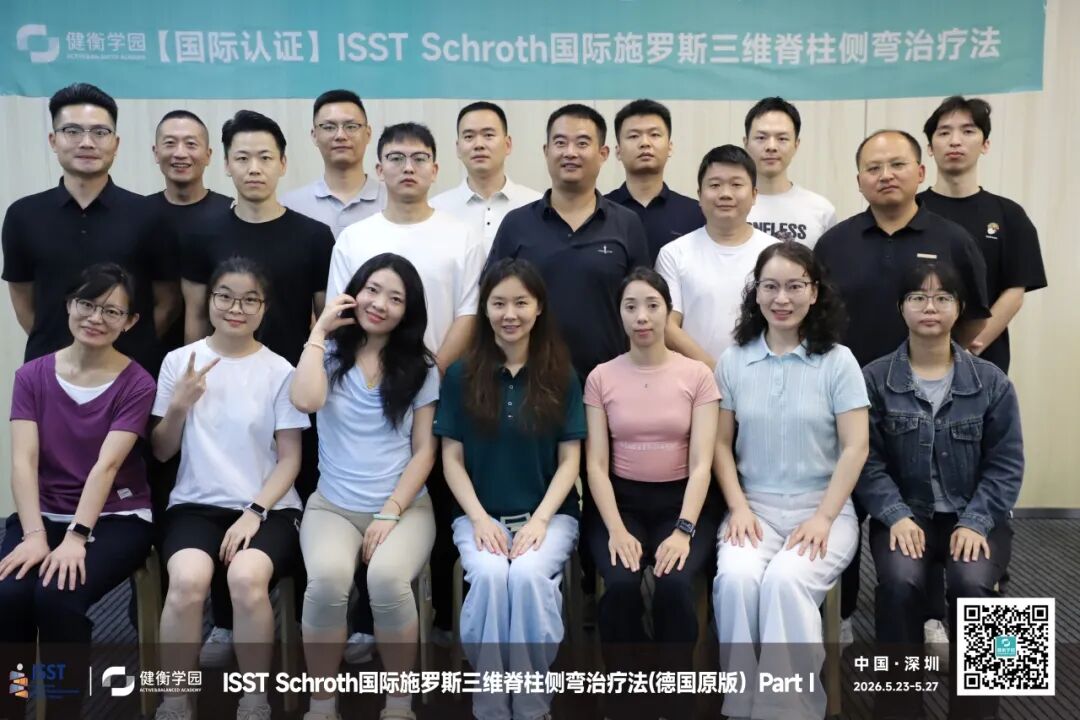
May 23–27, 2026, the 5-day German Schroth ISST 3D Scoliosis International Certification Course (Part Ⅰ) successfully concluded in Shenzhen. Rehabilitation therapists from all over China gathered to systematically study the century-old framework of the Schroth Method under Charlene Fan, ISST Certified Instructor for China, achieving comprehensive advancement through theoretical learning and hands-on practice.
Participant Outcomes: Comprehensive Growth in Knowledge & Clinical Competence
After five days of systematic training, participants have:
Mastered the principles of 3D assessment and correction for scoliosis
Become proficient in Schroth-specific breathing and postural training
Gained the ability to independently design home exercise programs
Developed systematic thinking for multidisciplinary collaboration and patient education
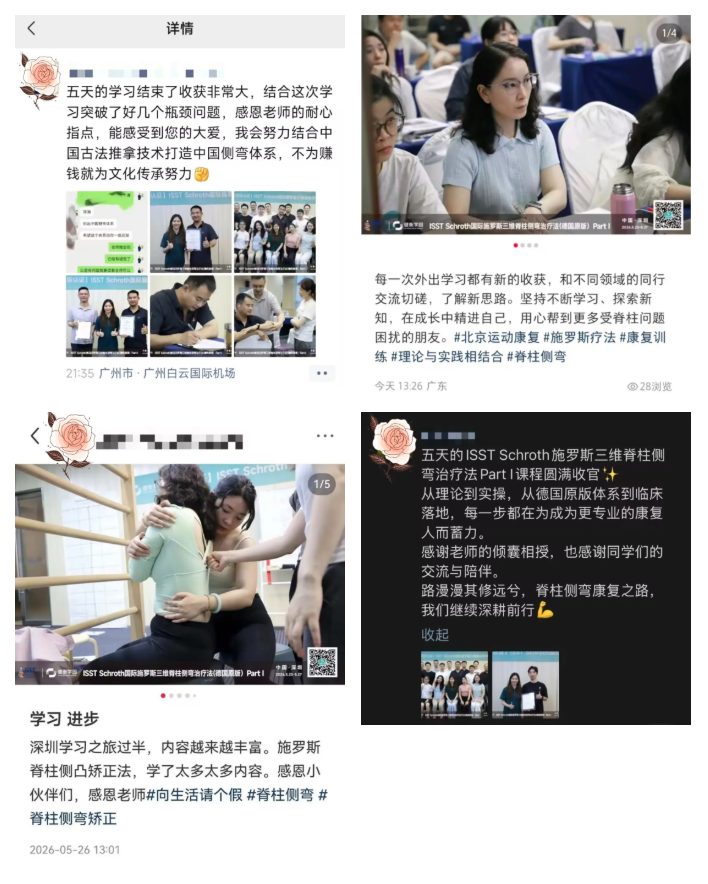
Participant Post-Course Feedback
The Century-Old ISST Method: Where Science Meets Practice
The Schroth Method was developed by Katharina Schroth of Germany in 1920. It has been continuously refined by experts worldwide to evolve into the internationally recognized ISST (International Schroth Three-Dimensional Scoliosis Therapy) system we know today.
Based on motor and sensory principles, the ISST Method delivers systematic intervention for scoliosis curvature, vertebral rotation and sagittal plane imbalance using three-dimensional corrective techniques. Patients actively participate in treatment through specific breathing exercises, postural correction and home exercise programs to sustain long-term corrective outcomes.
Core principles of ISST:
Patient Education & Empowerment: Help patients understand their condition and develop proactive management strategies
Standardized Treatment: Deliver individualized plans through assessment, classification and structured documentation
Long-Term Support: Build a trusting therapeutic relationship between therapists and patients
Clear treatment goals: prevent spinal surgery, stabilize the spine, improve respiratory function, reduce pain, and enhance patients’ self-management abilities
Course Content: In-depth Integration of Theory and Practice
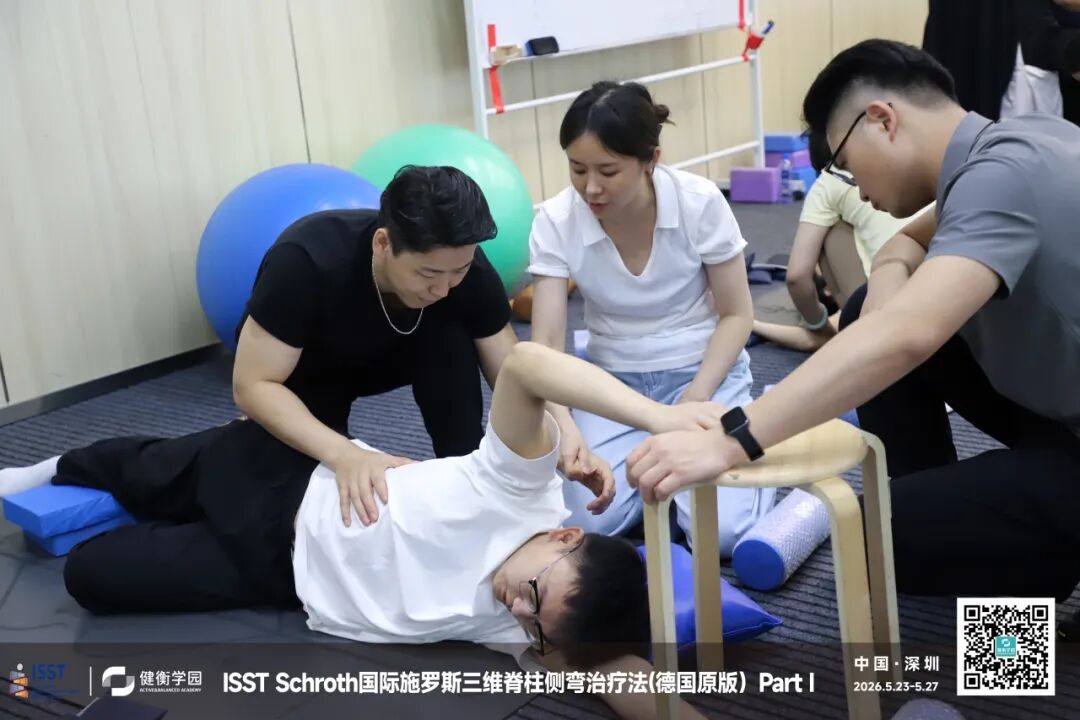
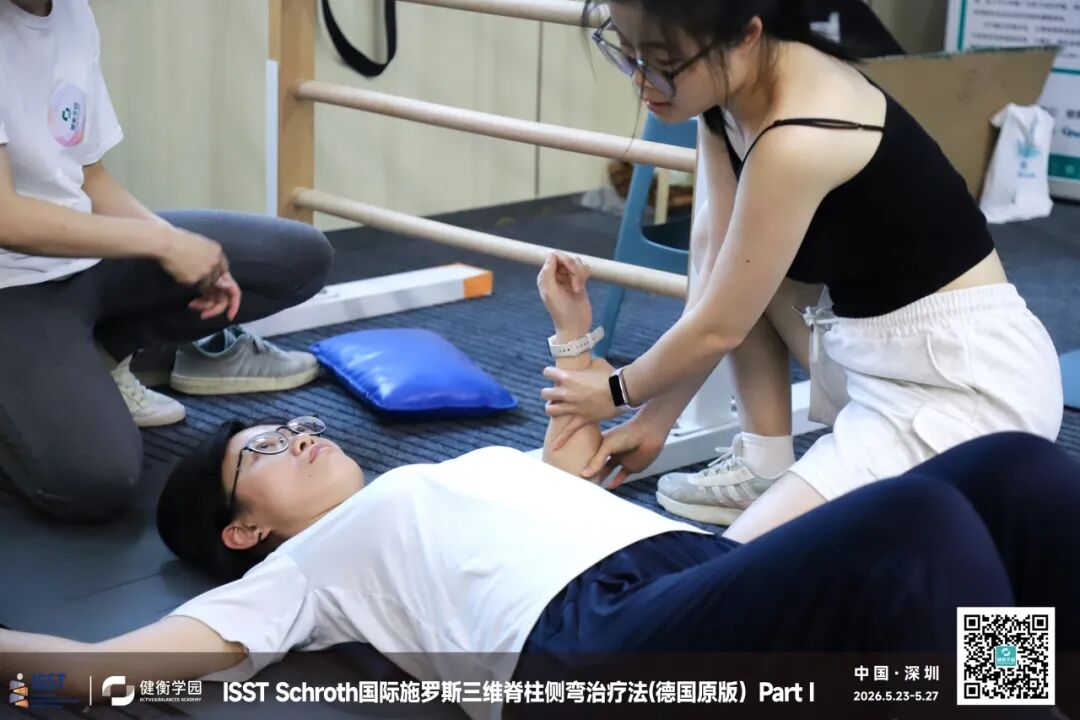
This Part Ⅰ course systematically teaches core techniques for scoliosis assessment and conservative treatment through a combination of theoretical lectures, hands-on practice, case analysis and group discussions.
Core Course Modules:
Etiology, biomechanics and progression mechanisms of scoliosis
Clinical assessment: visual and manual examination, X-ray analysis (Cobb angle measurement)
3D self-correction techniques and corrective breathing exercises
Postural stabilization and corrective control in activities of daily living (ADL)
Design and instruction of home exercise programs
Multidisciplinary collaboration and bracing integration
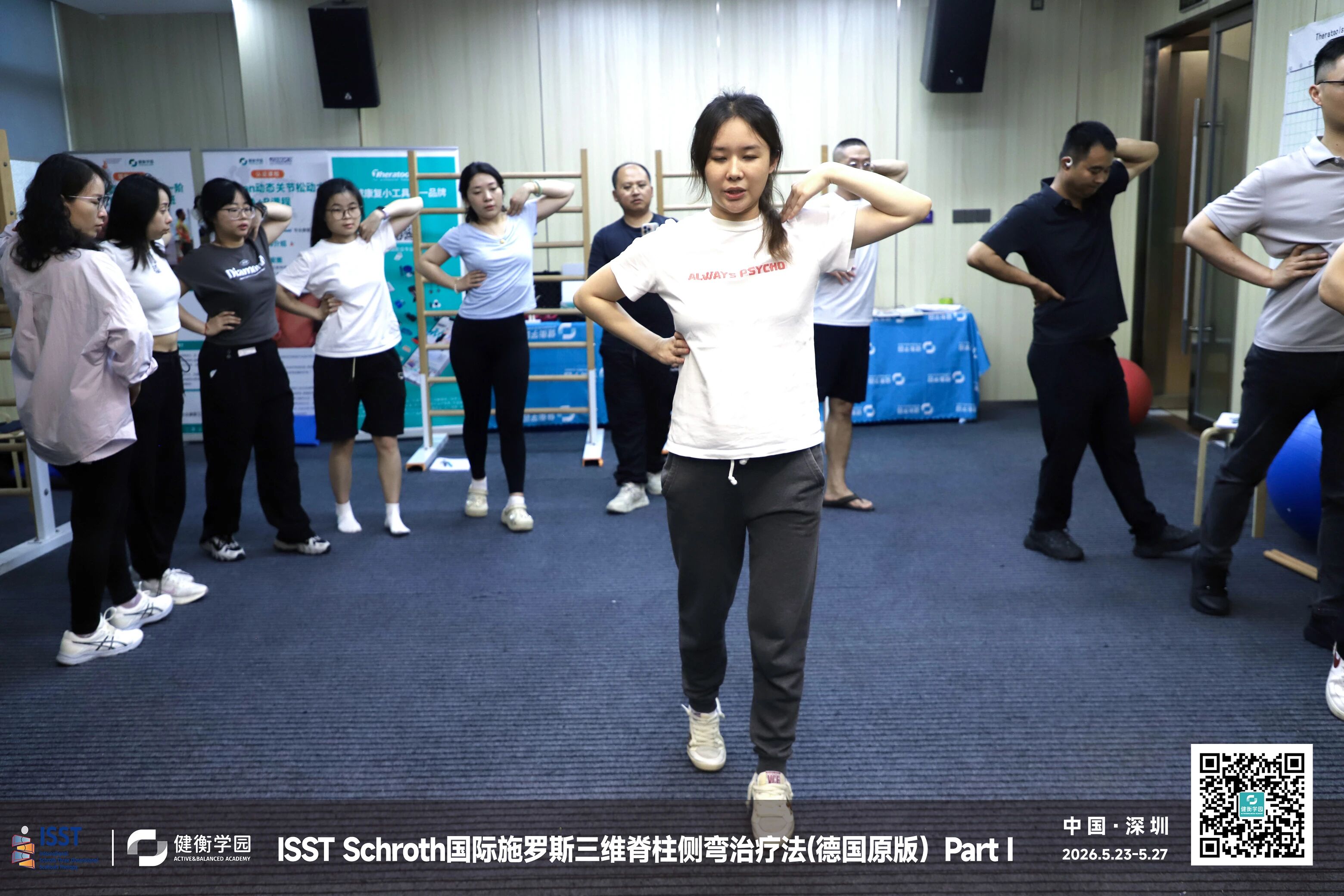
Full 5-Day Course Recap: From Fundamentals to Advanced Practice
Day 1: Theoretical Foundations & Introduction to Assessment
Starting with the definition, classification and radiological assessment of scoliosis, the course systematically covered the fundamental theories and assessment skills of the Schroth Method. The afternoon was dedicated to hands-on practice, where participants experienced the Shoulder Traction (ST) technique for the first time and developed an initial awareness of 3D corrective movement.
Day 2: The Corrective Power of Breathing and Posture
Day 2 focused on corrective breathing and postural modification, covering core techniques including pelvic correction and psoas muscle facilitation. The afternoon involved practical physical examination and assessment, as well as Shoulder Counter-Traction (SCT) drills. Group discussions and case studies encouraged in-depth peer exchange.
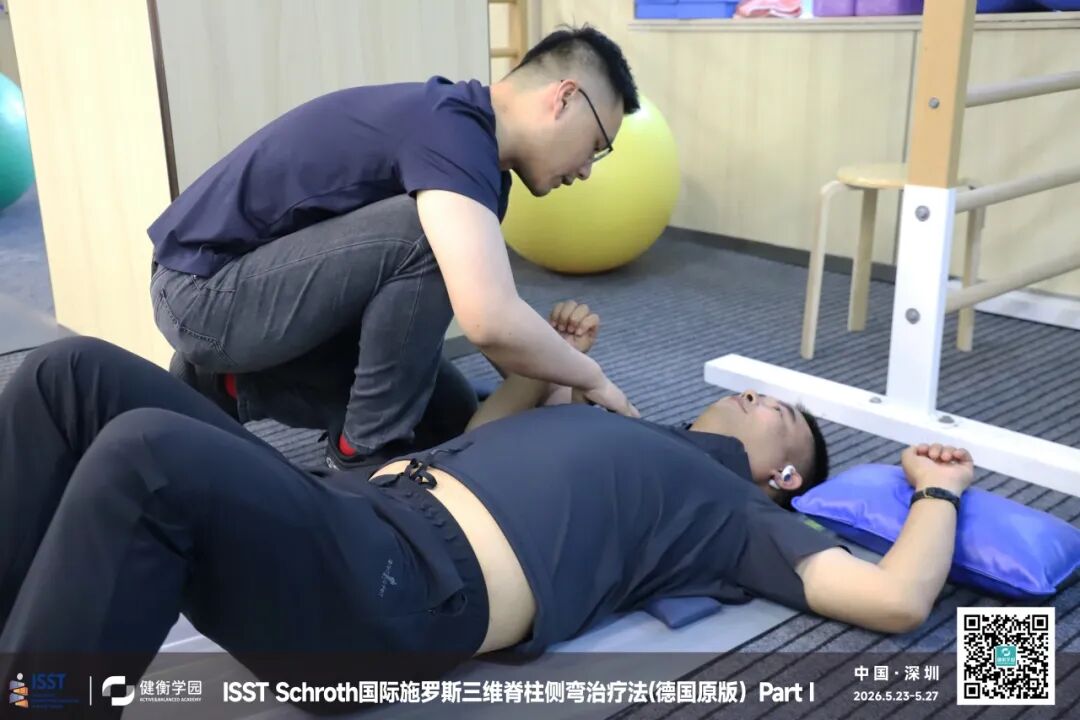
Day 3: Mobilization Techniques & Home Exercise Design
Day 3 focused on auxiliary grip techniques, mobilization methods, and supine and sidelying exercises. The afternoon session covered the design and instruction of home exercise programs, emphasizing the extension of corrective treatment into daily life. Practical pelvic stabilization drills and video analysis helped participants gain a clearer understanding of corrective mechanisms.
Day 4: Advanced Exercises & Treatment Plan Integration
Day 4 moved on to advanced seated and standing exercises. Combined with treatment planning and case discussions, participants learned to integrate theoretical knowledge into real clinical practice. Afternoon pelvic control practice and group drills further improved participants’ clinical skills.
Day 5: Comprehensive Review & Certification Presentation
The final day included a systematic review of the scientific basis of the Schroth Method, along with integrated hands-on training. During the participant demonstration session in the afternoon, everyone showcased the skills they had acquired over the five days. The course concluded with a summary and formal certificate presentation. All participants received official ISST Part Ⅰ certification.
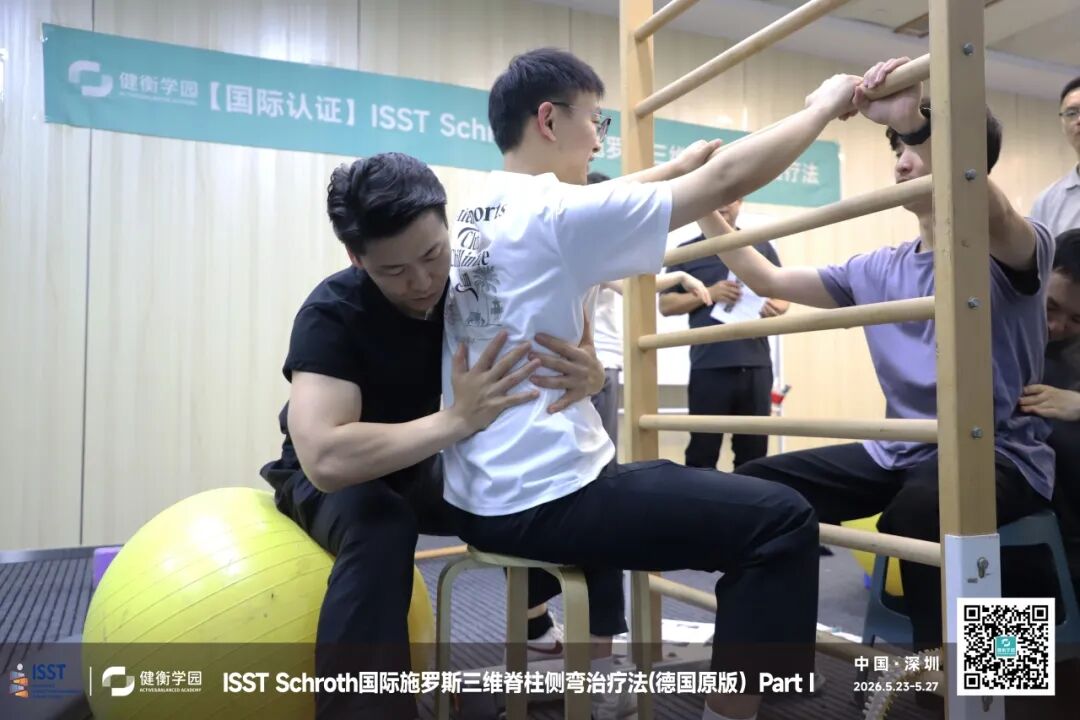
Summary & Upcoming Events
All participants of this course are practitioners with backgrounds in rehabilitation therapy. Throughout the training, they communicated actively and practiced with one another, not only mastering the core skills of the Schroth Method but also building a platform for professional exchange within the industry.
The conclusion of the Part Ⅰ course marks only the beginning of the journey to master the Schroth Method.
From August 9 to 13 this year, the ISST Part Ⅱ course will be held in Zhengzhou. Participants will advance to learn how to manage complex clinical cases and complete the full advanced training of the Schroth Method.
Empower rehabilitation with expertise, and bring scoliosis correction back to evidence-based practice. See you next time!