
Final Session of International Course | Childhood Developmental Challenges from a Neurodevelopmental Perspective: Transform Your Clinical Thinking in 3 Days12
Source: News Center
2026-05-25

When Rehabilitation Meets Neuroscience: A New Key to Unlocking Childhood Developmental Challenges.
May 22–24, 2026, the Internationally Certified Paediatric Rehabilitation Course from a Neuroscience Perspective, hosted by Jianheng Academy, successfully concluded in Beijing. Thirty rehabilitation practitioners from all over China completed three days of intensive learning and hands-on practical training.
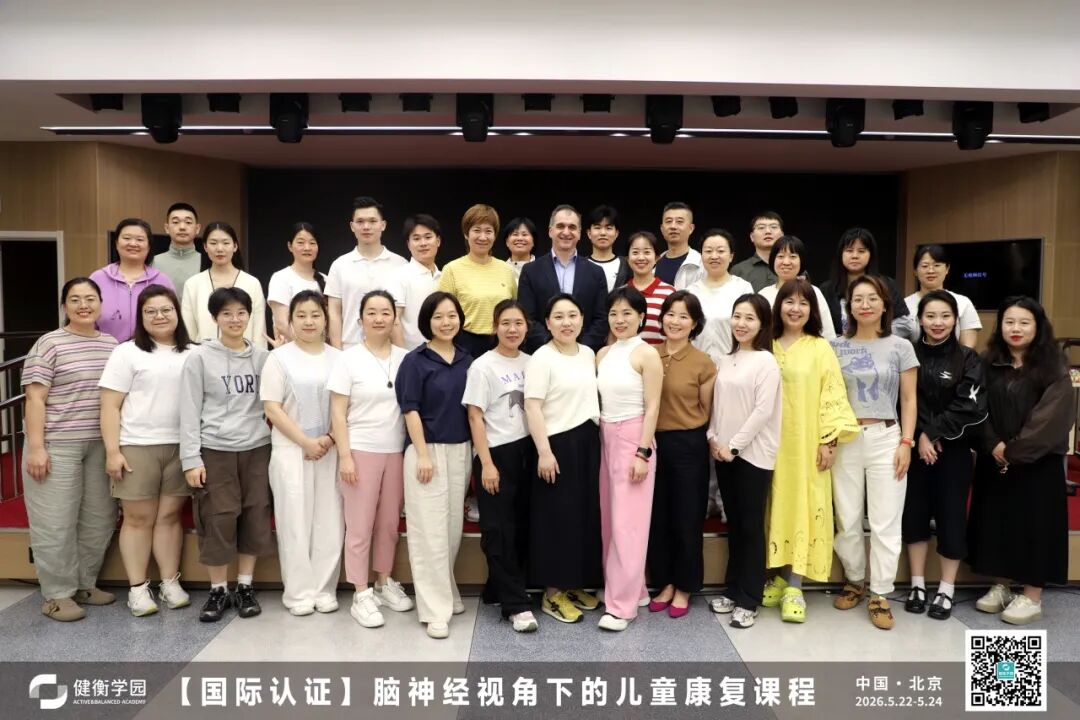
Led by Dr Carlo Rinaudo, an Australian expert in neuroscience-based paediatric rehabilitation, participants studied cutting-edge content including primitive reflex integration, interhemispheric disconnection assessment, and neuromodulation techniques, starting from the blueprint of brain development. They achieved a fundamental shift in mindset from symptom-based intervention to root-cause remediation.
01 Why do participants describe this course as "challenging yet incredibly rewarding"?
Many paediatric rehabilitation practitioners share the same confusion:
Why do some children fail to sustain progress despite repeated training?
Why do issues with attention, emotion and motor function often occur together?
Why do traditional behavioural interventions have little effect on certain children?
On the first day of the course, Dr Carlo offered a groundbreaking perspective: the essence of most neurobehavioural disorders (including ADHD, autism, learning disabilities, etc.) lies in asynchronous brain development, disrupted neural connectivity and poor hemispheric integration.
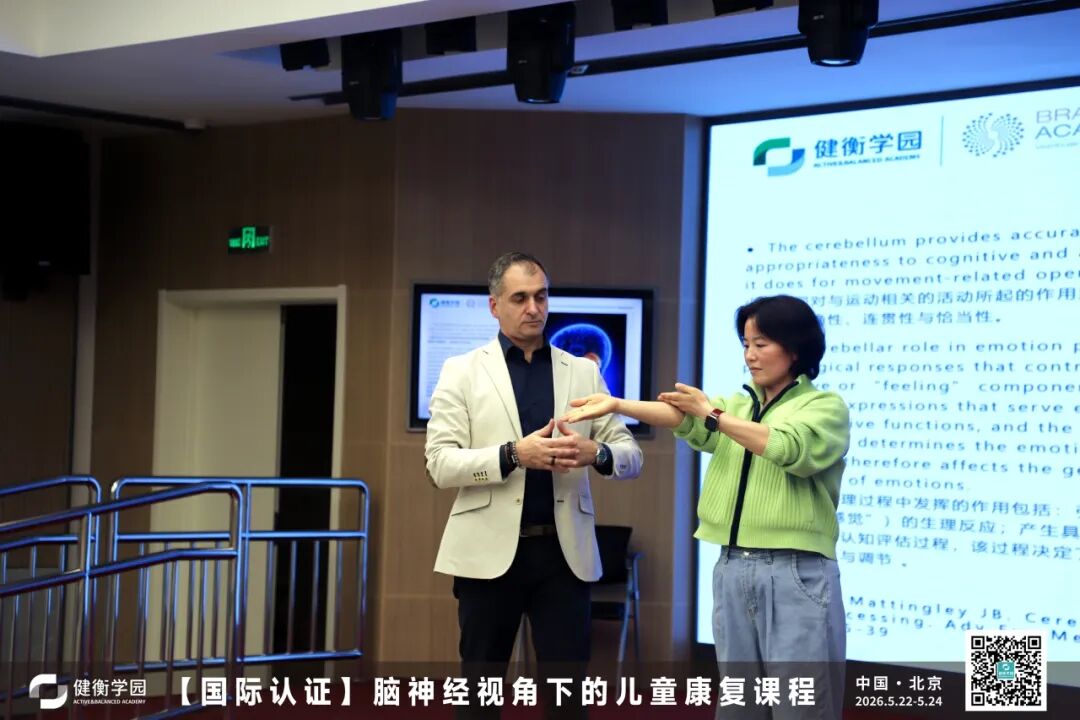
Over the three-day course, he guided participants through a detailed breakdown of the following topics:
Core mechanisms of brain development: From neuronal proliferation, synaptogenesis to myelination, how do developmental deviations lead to functional disconnection?
The hidden impact of primitive reflexes: Fear Paralysis Reflex, Moro Reflex, Tonic Labyrinthine Reflex... How do unintegrated neonatal reflexes disrupt children’s posture, emotional regulation and learning abilities?
Clinical patterns of left-right brain imbalance: How overactive right brain activity and insufficient left brain inhibition manifest as alexithymia, motor impairments and social difficulties?
Assessable, actionable intervention strategies: Including galvanic vestibular stimulation (GVS), photobiomodulation (PBM), eye movement training, and laser balance feedback systems, with hands-on demonstrations for every technique.
A paediatric OT practitioner with 8 years of experience reflected after the course: "I used to just treat symptoms in isolation – practising balance exercises for poor balance, and attention games for focus difficulties. I now finally understand the neurological basis behind these symptoms: unintegrated primitive reflexes and insufficient interhemispheric connectivity. I plan to restructure my assessment protocols when I return to practice."
02 From Theory to Implementation: Translating Cutting-edge Techniques into Clinical Tools
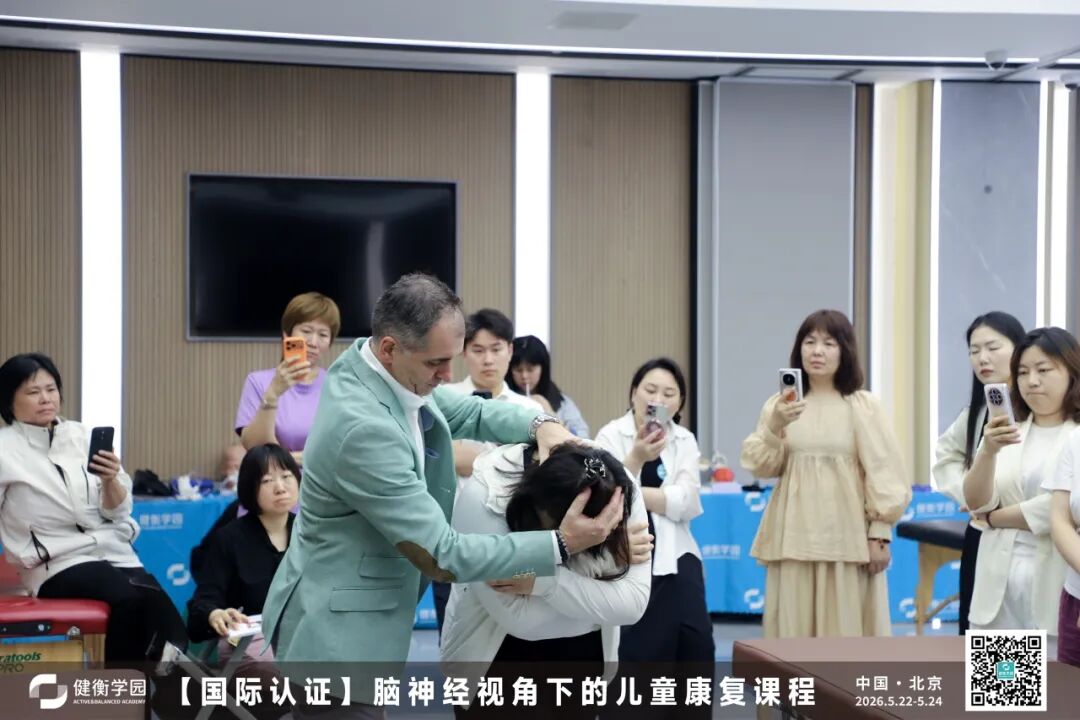
What rehabilitation therapists praise most about this course is its dual-track teaching model combining theory and hands-on practice. Dr Carlo not only shared cutting-edge theoretical knowledge, but also taught every participant actionable techniques and practical tools through hands-on guidance.

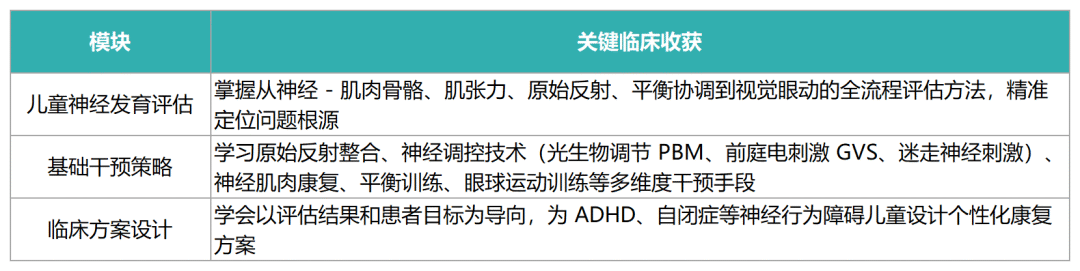
Key Course Takeaways
03 Genuine Feedback from Rehabilitation Therapists
"I used to feel helpless when working with children who struggled with poor attention. Now I finally understand the underlying issue is impaired functional connectivity, and I know how to intervene using primitive reflex integration and vestibular training!"
"The course explains brain science in a very accessible way. Concepts such as bilateral brain integration and primitive reflexes are actually highly relevant to clinical practice. The three-day training was packed with practical content, with no wasted time at all."
"Dr Carlo’s case-based teaching is incredibly practical. The analysis of many complex clinical cases helped me see things clearly and connect the dots, and I can apply these methods directly with my patients when I get back!"
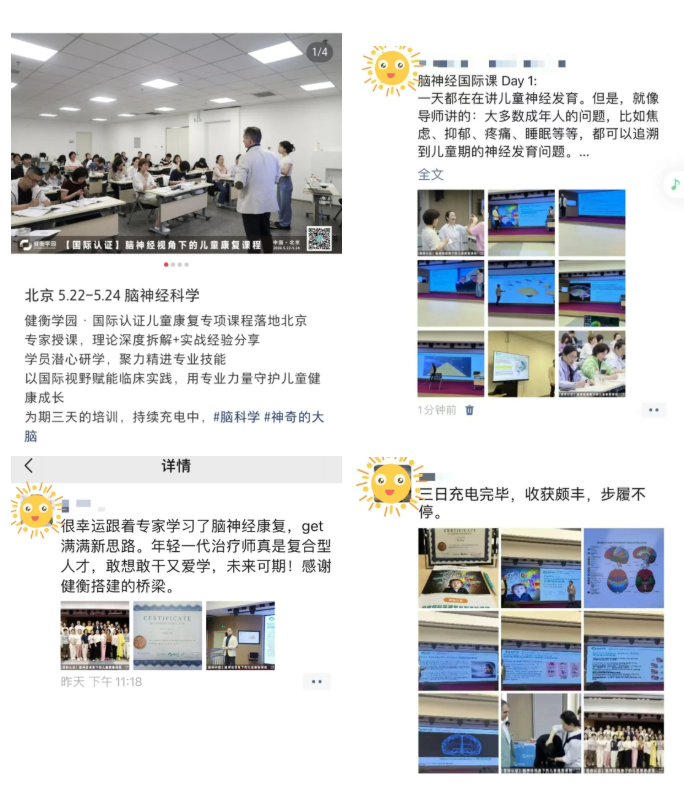
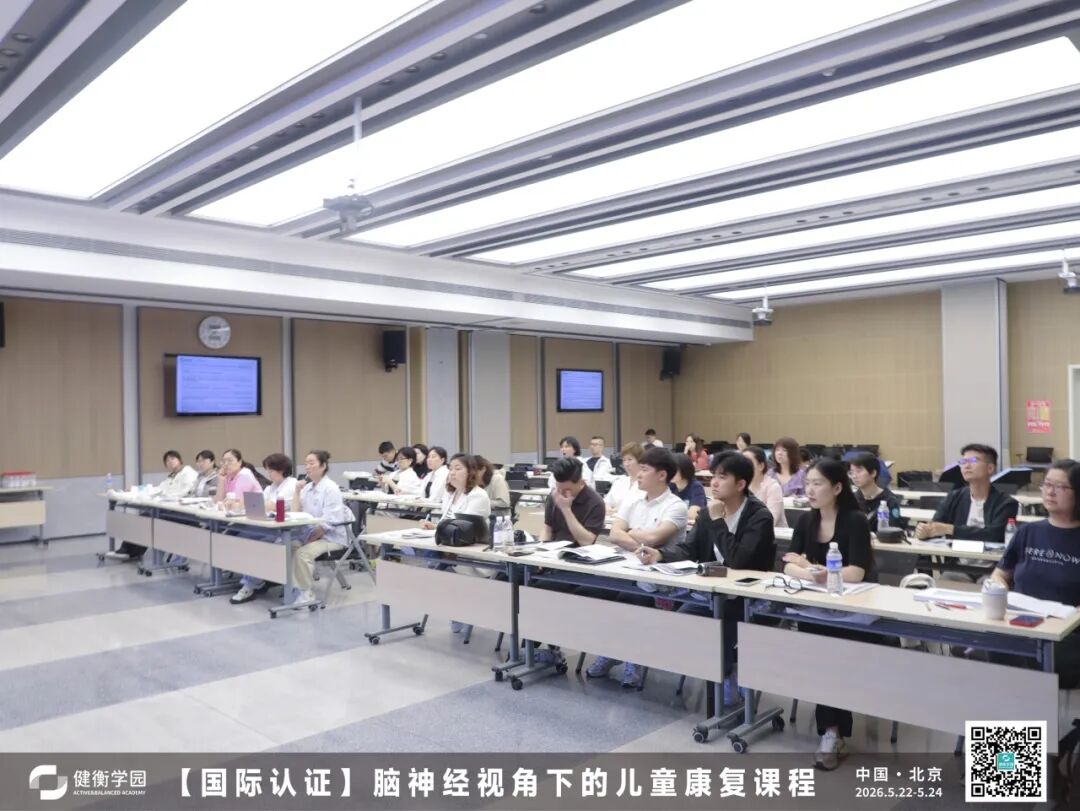
Every question was answered patiently by the doctor; every hands-on practice brought the reassuring sense of turning knowledge into real clinical skills. Participants grew familiar with one another, moving from confusion to confidence. The lively discussions and focused gazes in the classroom are the best testament to this course.
04 The Core Philosophy Behind the Course: Brain Plasticity Occurs Throughout Life
Dr Carlo Rinaudo repeated one key message throughout the course: "Change is possible at any age."
While the critical developmental window of the paediatric brain is vital, neuroplasticity exists across the entire lifespan. Through appropriate multimodal stimulation – including movement, sensory input, cognitive training and nutritional support – we can restore functional connectivity, improve hemispheric integration, and ultimately resolve symptoms.
This is exactly why Jianheng Academy introduced this internationally certified course: to equip more Chinese paediatric rehabilitation practitioners with core neuroscience-based tools, so they can help children build foundational strength for healthy development at the root cause.
05 Upcoming Courses
Though these three days were brief, every participant gained greater confidence and clarity. We are deeply grateful to Dr Carlo Rinaudo for sharing his knowledge so generously, and to all participants for their wholehearted dedication.
While the formal course has concluded, the real clinical practice is just beginning. Jianheng Academy will continue to provide ongoing case supervision, online Q&A sessions, and updates on advanced courses.
We welcome participants to share complex clinical cases in our study group, where Dr Carlo Rinaudo’s team will offer regular guidance.