
International Neurorelease Therapy (NM) Zhengzhou Course Grand Finale: The Rehabilitation Technique Used by Over 100,000 Rehabilitation Practitioners Worldwide!12
Source: News Center
2026-05-06

When chronic pain and post-traumatic sequelae become persistent challenges in clinical rehabilitation, and conventional manual therapies fail to address the root causes of neural dysfunction, Neural Manipulation (NM), developed by Jean-Pierre Barral, the "Father of Visceral Manipulation", provides a groundbreaking solution for rehabilitation practitioners across the globe.
From April 27 to May 3, 2026, the official Barral Institute Neural Manipulation NM1+2 International Certification Course, hosted by Jianheng Academy, successfully concluded in Zhengzhou. Over six days of systematic training, rehabilitation practitioners from all over China gained an in-depth mastery of this authoritative international technique that integrates neuroscience and precise manual therapy, embarking on an advanced clinical journey from symptomatic management to root-cause intervention.
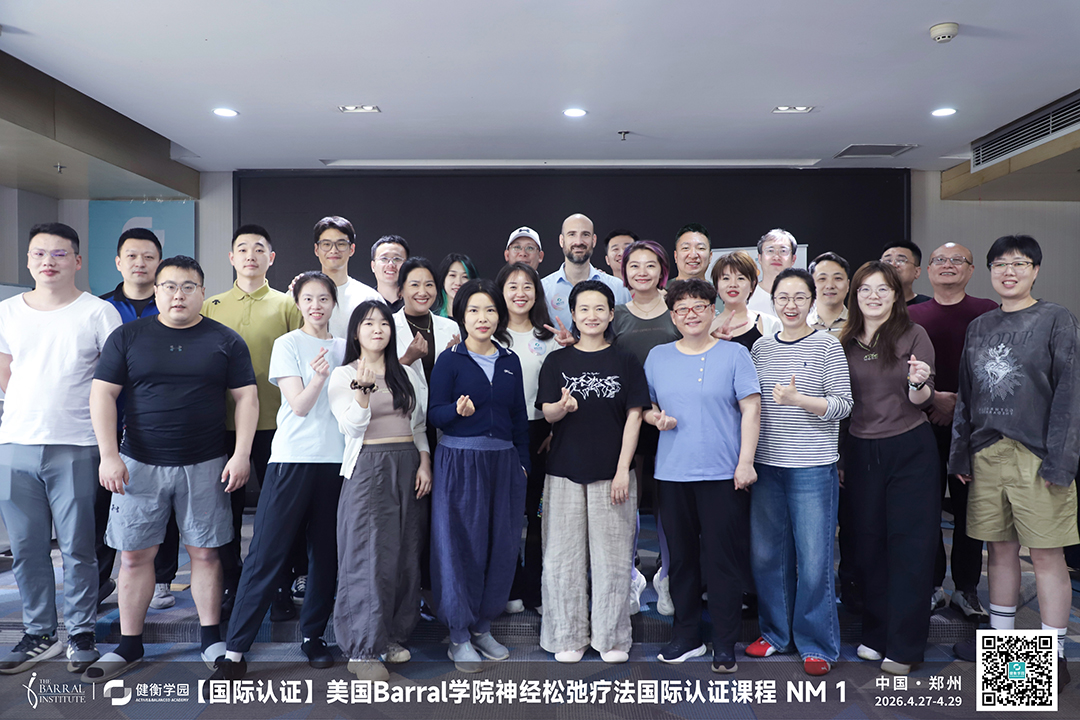
NM 1 Course Group Photo
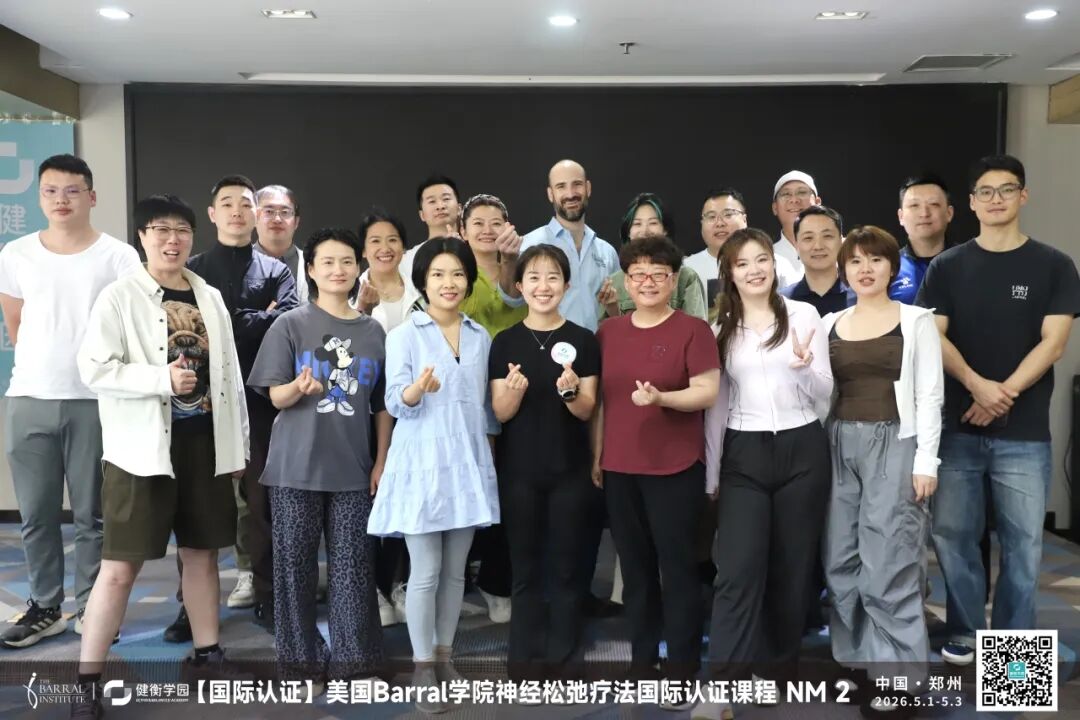
NM 2 Course Group Photo
As a core technique in the international rehabilitation field, Neural Manipulation (NM) deeply integrates neuroscience and precise manual therapy. Its primary goal is to identify areas of restricted neural mobility, release restrictions through extremely gentle, non-invasive manual techniques, restore neural gliding ability, and resolve pain and dysfunction at the source. It addresses neurological disorders involving the cervical, brachial, lumbar plexuses and other nerve regions, and adapts to a wide range of complex clinical scenarios. It has now become an essential clinical tool for over 100,000 medical professionals worldwide.
Participant Gains
Acquire a systematic core theoretical framework of NM: Master the core logic of Neural Manipulation (NM), understand neural gliding mechanisms, trauma biomechanics, and the interactive relationships between nerves, fascia and bones. Identify the root causes of disorders associated with the cervical plexus, brachial plexus and other regional nerves, develop a three-dimensional anatomical mindset, and break free from conventional one-dimensional understandings of nerves.
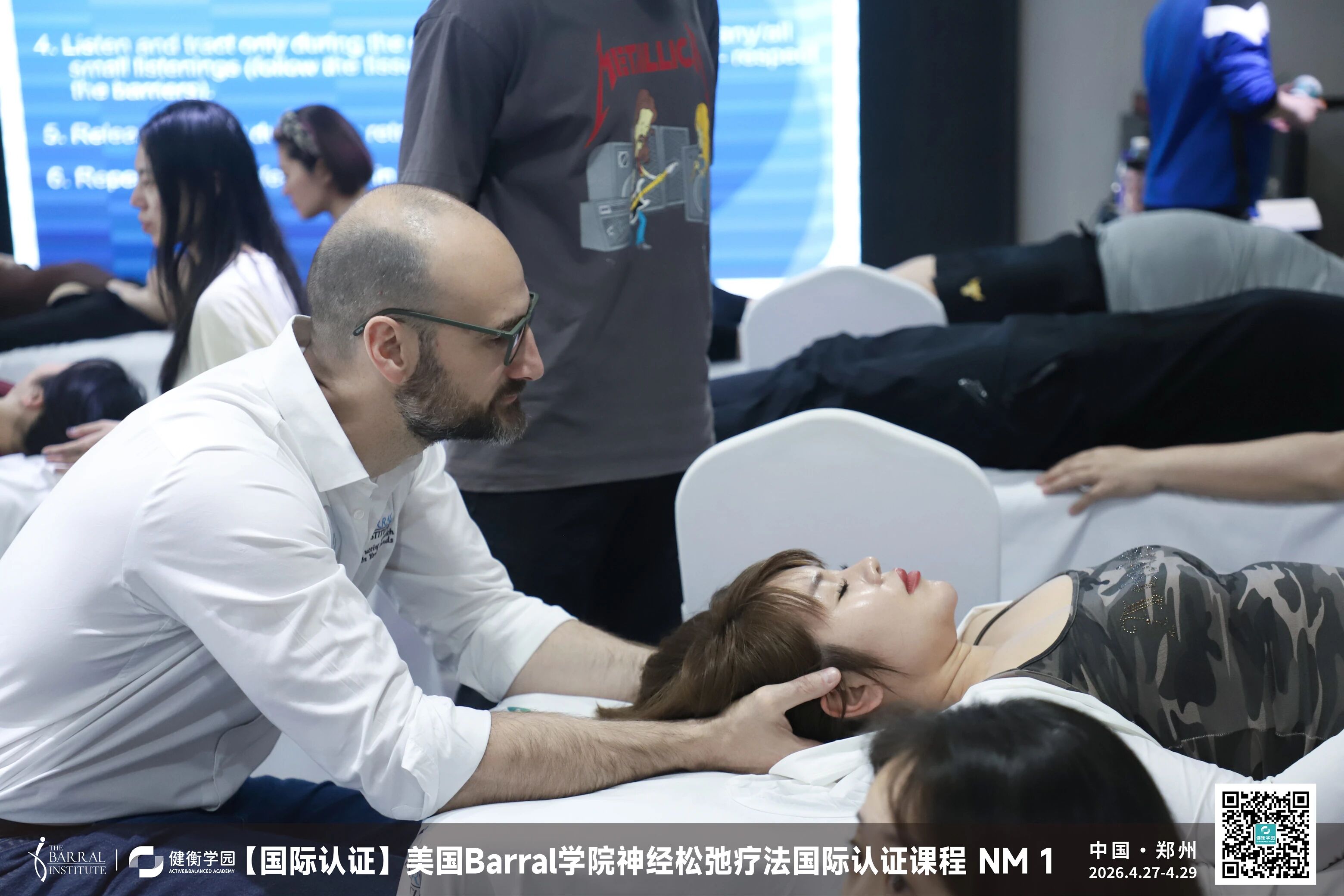
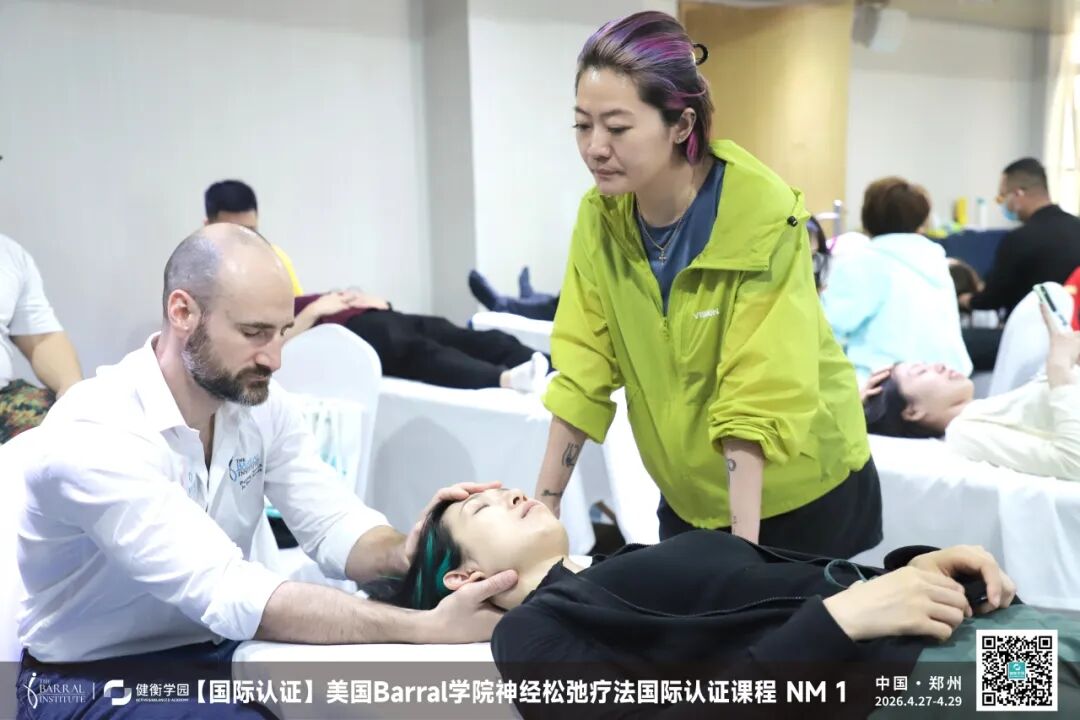
Acquire standardised hands-on NM therapeutic skills: Master Barral’s original "listening technique" and layered palpation skills, as well as the full set of gentle manual therapies for NM1 (central nervous system and post-traumatic nerve intervention) and NM2 (treatment of peripheral nerve entrapment in the upper extremities). Independently perform relevant neural assessment, tension release and therapeutic procedures with standardised and safe techniques.
Acquire a scientifically sound and efficient clinical reasoning framework: Move beyond the traditional limitation of symptomatic-only management, and develop a holistic treatment mindset focused on root-cause intervention, local treatment and whole-body systemic effects. Recognise the core advantages of Neural Manipulation: ultra-gentle application, non-invasive delivery and excellent safety profile, and learn to analyse and resolve clinical problems from the perspective of the global neural tension network.
Gain clinical competence in managing complex cases: Independently handle common and complex nerve-related conditions including chronic headaches, neck and back pain, post-traumatic stress disorder, carpal tunnel syndrome, and thoracic outlet syndrome. Acquire the ability to integrate NM techniques with visceral manipulation, orthopaedic manual therapy and other existing rehabilitation modalities, so as to formulate multi-dimensional, individualised comprehensive treatment plans.
Establish a solid foundation for professional advancement: Learning under the official Barral Institute certification framework builds a robust professional foundation in neurological rehabilitation. It paves the way for ongoing clinical practice, skill refinement and advanced training (such as higher-level NM courses), and enhances overall professional competitiveness.
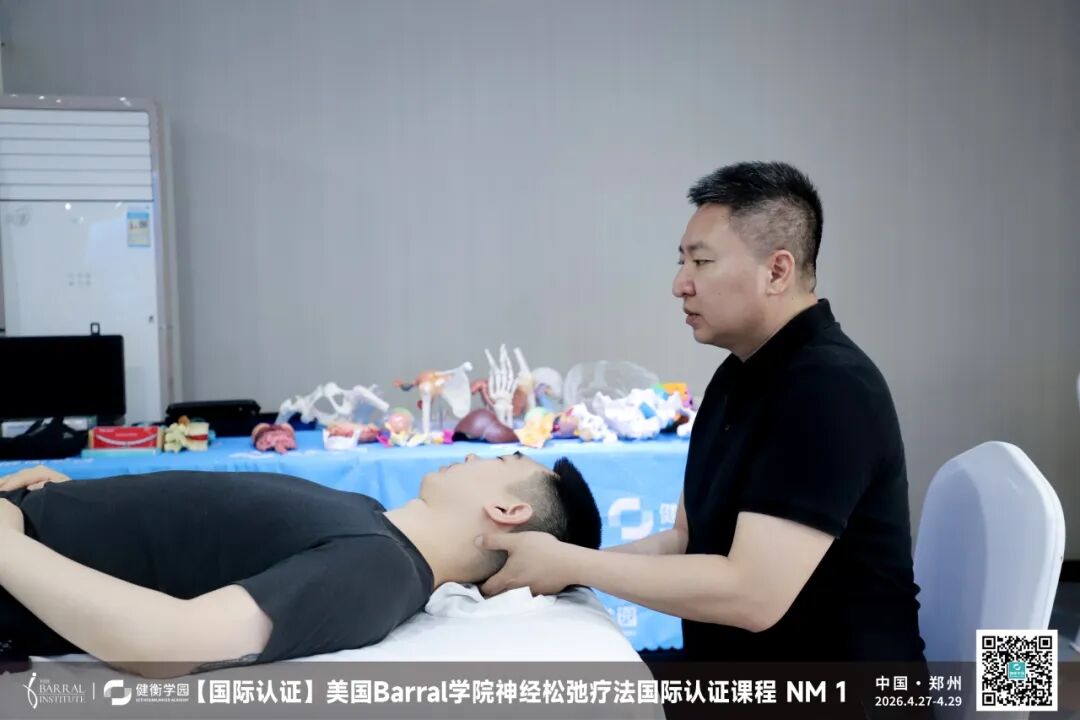
Course Review
This course was fully instructed by Matteo Ghiretti, a certified instructor of the Barral Institute. Adopting a small-group intensive teaching format with hands-on guidance, the programme strictly follows the official Barral Institute certification system and consists of two progressive stages: NM1 and NM2. It ensures systematic theoretical learning while prioritising practical application, enabling every participant to master the standardised techniques proficiently.
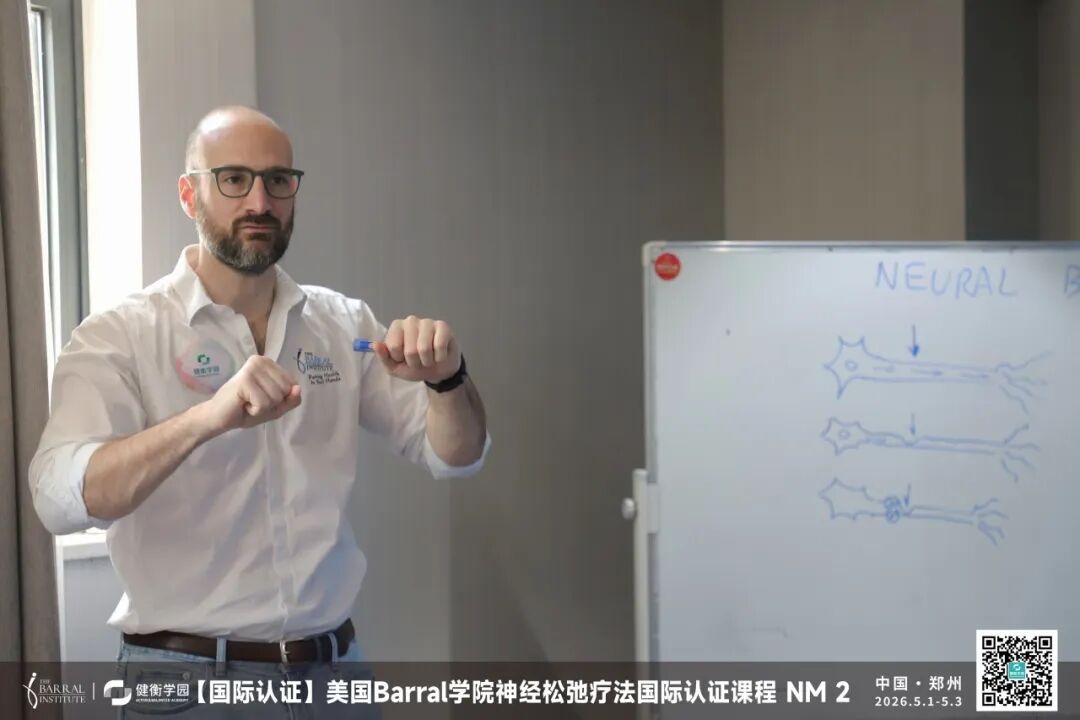
The core content and key learning points of this course will be reviewed by module as follows:
NM1: Central Nervous System & Whole-Body Foundational Framework
The NM1 course focuses on the anatomy and biomechanics of the cranial bones, spinal structural framework and dura mater. Starting with palpation of the cervical soft tissues and cranial sutures, participants gradually learn how to identify neural restrictions in the cervical, thoracic, lumbar and sacral regions, and master manual techniques to release neural tension in these areas and improve neurovascular integration.
Through assessment and management of cervical neural restrictions following whiplash injuries, as well as scenario-based practical training in whole-body neural manipulation techniques, participants not only acquire core skills for treating chronic headaches and neck and back pain, but also understand how trauma propagates via neural tension to create global compensatory patterns throughout the body.
NM2: Upper Extremity Nerves & Advanced Clinical Practice
The NM2 course delves into peripheral nerves of the upper extremities. Instructor Matteo guides participants through systematic study of upper limb neuroanatomy and the neural mechanisms underlying thoracic outlet syndrome and carpal tunnel syndrome. Through repeated palpation drills and hands-on practice, learners master therapeutic techniques to release restrictions within the upper-extremity nerve sheaths and fascia, restoring optimal neural gliding.
Training progresses from isolated neural tension release, to specific manipulation techniques for thoracic outlet syndrome and elbow neuralgia, and further to integrated treatment approaches combined with Visceral Manipulation (VM). Participants develop a whole-body perspective for evaluating upper limb neuropathic conditions, enabling them to formulate more effective comprehensive treatment plans.
Participant Feedback
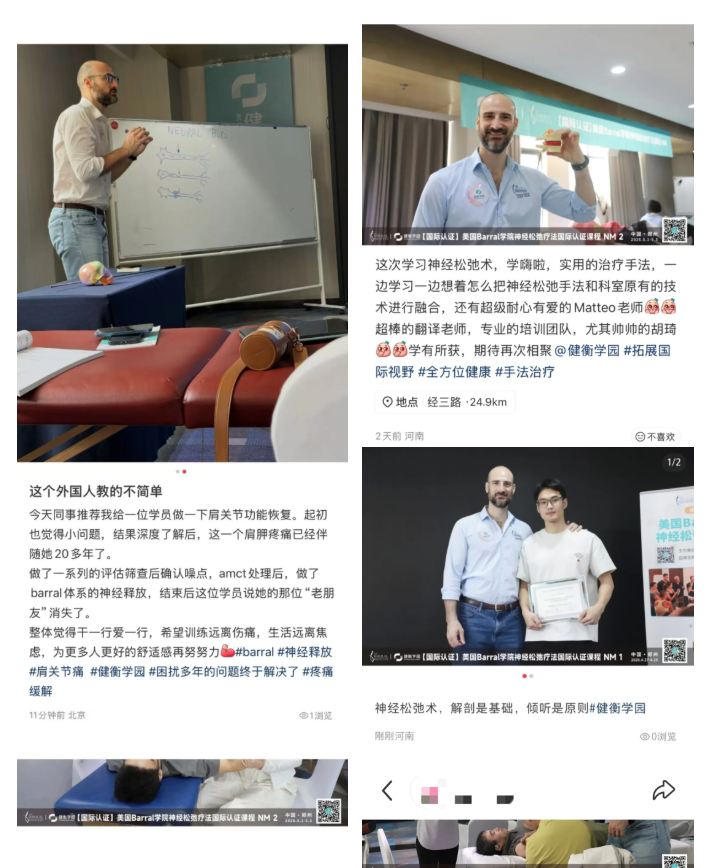
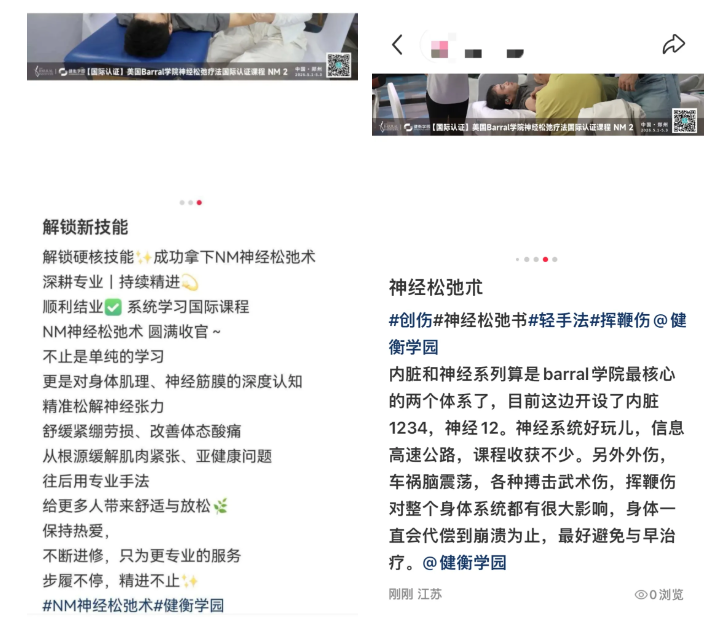
After the course, many participants shared that the training offered far more than a set of gentle and safe manual therapy techniques — it brought a fundamental shift in their approach to rehabilitation.
"I used to try to apply more force to release nerve entrapment when treating it. Now I understand that gentle palpation and compliant release are the key to resolving neural tension."
"It was invaluable to have the instructor correct my palpation technique hands-on. I could never feel the sensation of neural gliding when practicing alone, but now I finally grasp the essence of the 'listening technique'."
Conclusion
The conclusion of this Neural Manipulation NM1+2 course marks not the end of learning, but a new starting point for participants to apply these techniques in clinical practice.
Jianheng Academy will continue to introduce internationally authoritative rehabilitation systems, building a systematic, progressive learning platform for rehabilitation practitioners. We aim to bring more high-quality therapeutic techniques into clinical settings, helping more patients relieve pain and resolve dysfunction.
We look forward to reconnecting with you in our future advanced courses.