
3-Day Advanced Fascial Blade Training Concludes Successfully | Nanjing Course Review12
Source: News Center
2026-03-30

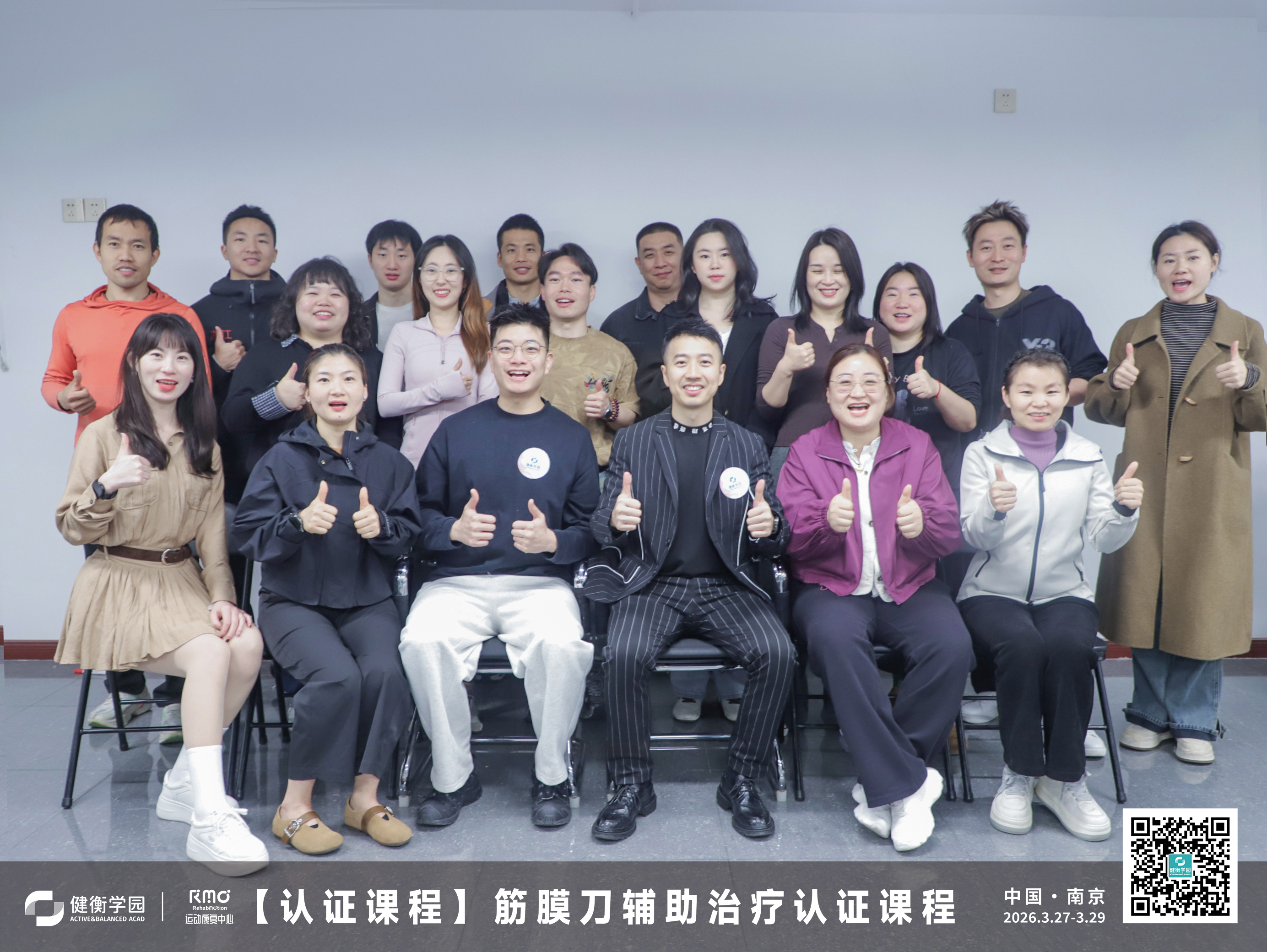
We gathered in Jinling in the warm spring of March. From March 27 to 29, 2026, the three-day Advanced IASTM Assisted Therapy Certification Course hosted by Jianheng Academy successfully concluded in Nanjing, Jiangsu Province.
Over these three days, rehabilitation therapists, sports coaches and health practitioners from across the country studied under Teacher Luo Jun. Starting from the fundamental physiological principles of fascia, they progressed through hands-on technical training, ultimately mastering this precision tool — an "invisible scalpel" — to resolve musculoskeletal pain and restore bodily function.
Let’s revisit this fruitful learning journey through this recap.
What Participants Gain
This course delivers far more than technical know-how — it enables a comprehensive upgrade of clinical capabilities:
1、Systematic KnowledgeBuild a complete knowledge framework for fascia blade therapy, ranging from fundamental fascia theory to advanced applications, moving past fragmented learning.
2、Standardized TechniquesMaster the 5-step protocol: Scan – Clear – Pressure Release – Mobilization – Integration, as well as 4 core speed & pressure ratios and 6 manipulation modes, to establish replicable clinical workflows.
3、New Business OpportunitiesLearn facial and visceral fascia techniques to expand service lines into aesthetic shaping, postnatal rehabilitation and other fields, helping practitioners attract new clients and boost income.
4、Long-term Mentorship SupportReceive ongoing tutor guidance after the course to ensure skills are successfully applied in daily clinical practice.
Course Review
I. Theoretical Foundation: Rediscovering the Power of Fascia
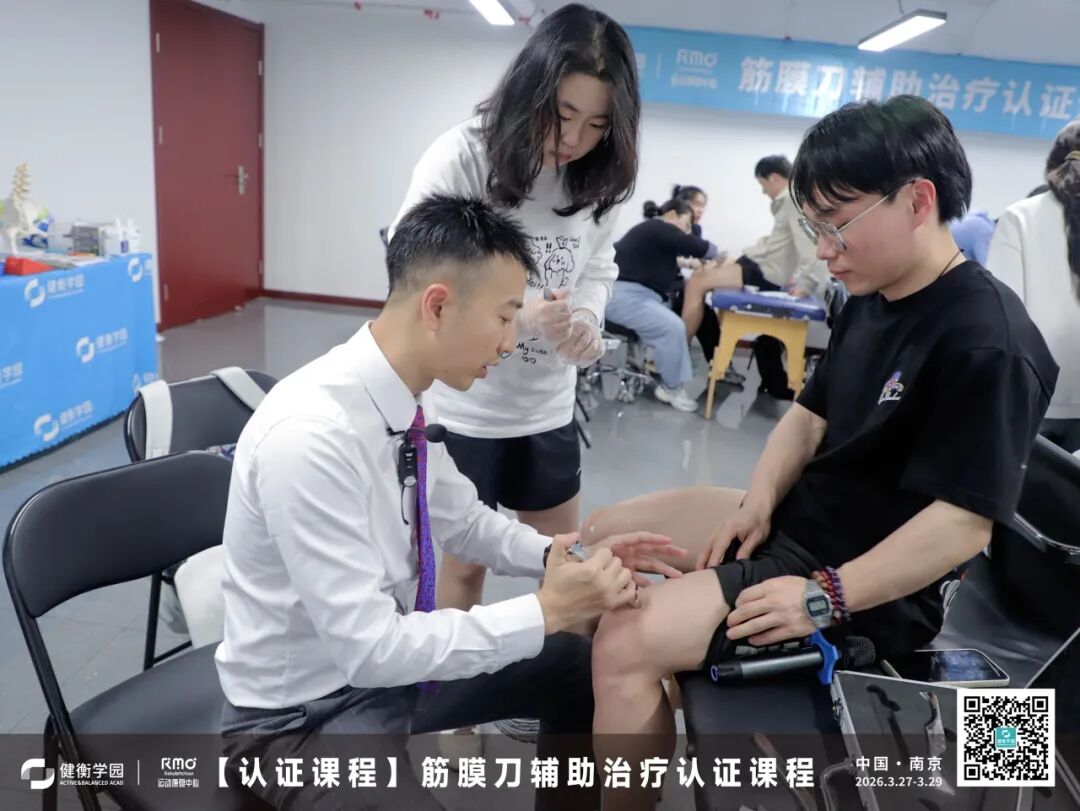
On the first day of the course, we started with the essential properties of fascia and established a complete professional knowledge framework.
Upgraded Fascia Cognition: This session delves into the morphology, physiological characteristics, and kinematic principles of fascia. It elaborates on the core mechanisms of how this "soft tissue skeleton" supports body posture, transmits mechanical force, and regulates pain perception.
Technical Origin & Standardization: We reviewed the developmental history of fascial therapy and clarified the clinical value of fascia blade technology in rehabilitation based on evidence-based medicine. In addition, we illustrated the structural features and applicable scenarios of different fascia blade models (Type S, Type A, Type C, etc.).
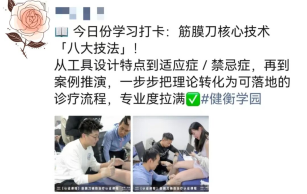
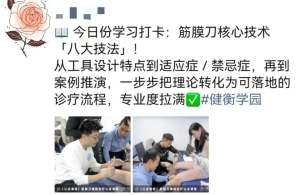
Fundamental Core Techniques: Participants systematically learned the eight core manipulation techniques of fascial correction. Comprehensive training covering indications, contraindications, and operational principles helps trainees develop standardized, safe, and evidence-based clinical thinking.
From theoretical principles to tool application, this session lays a solid foundation for subsequent practical training, enabling all participants to fully understand not only how to operate but also why to operate.
II. Practical Mastery: Precision Release for Multi-Joint Modules
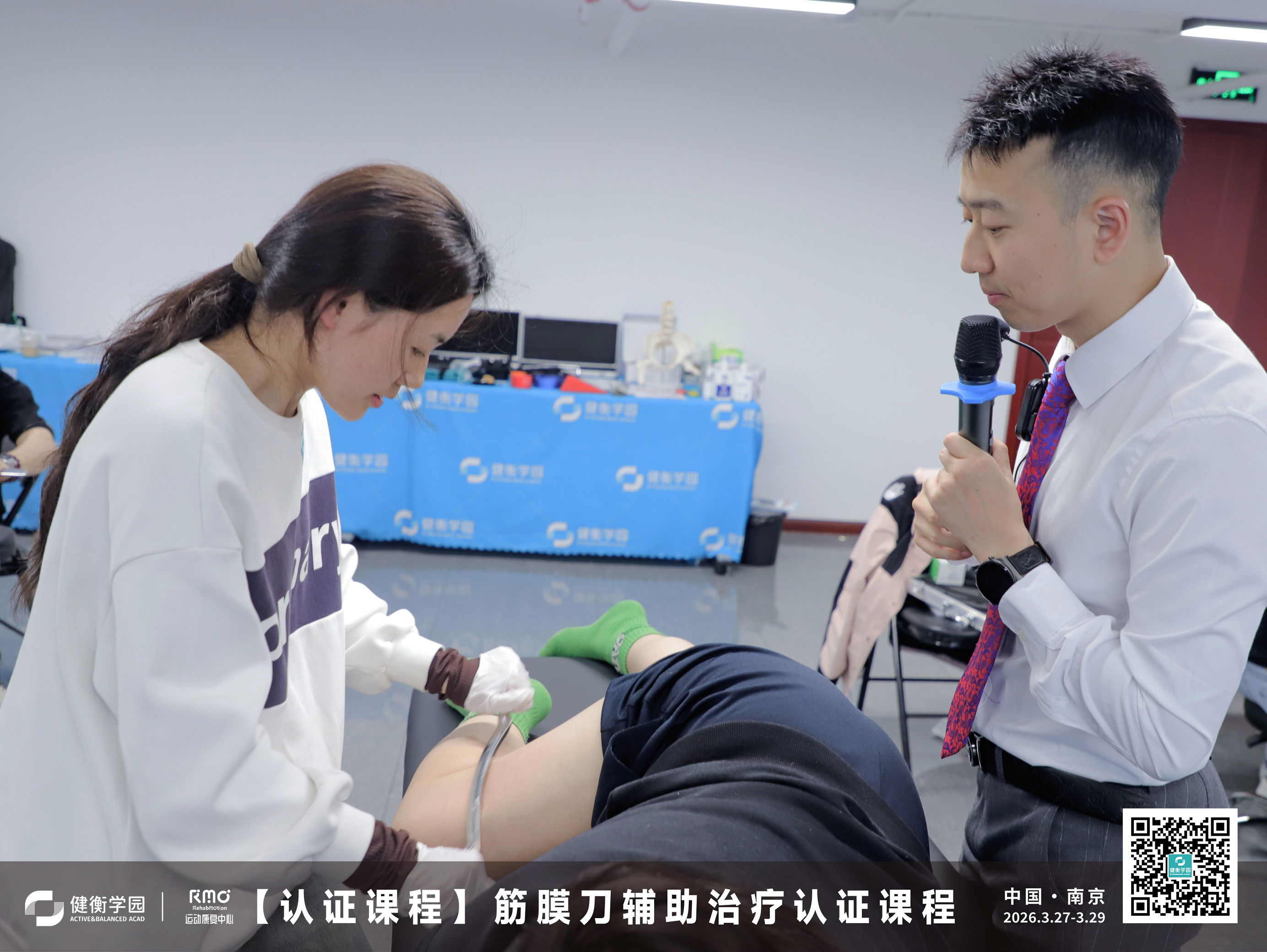
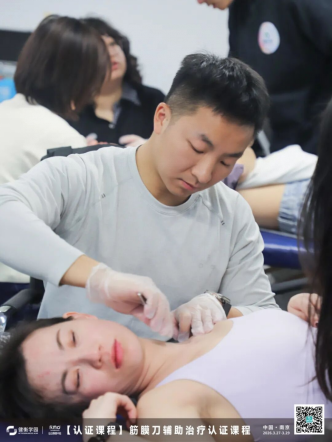
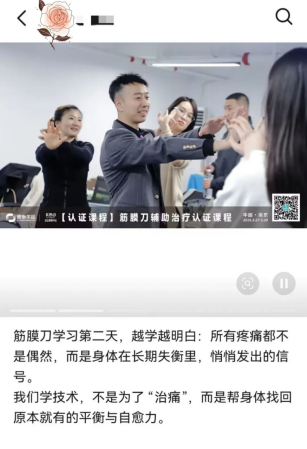
The second day of the course adopted a high-intensity training model consisting of 80% hands-on practice and 20% professional analysis, focusing on five major core joints: the knee, ankle, shoulder, elbow, and spine.
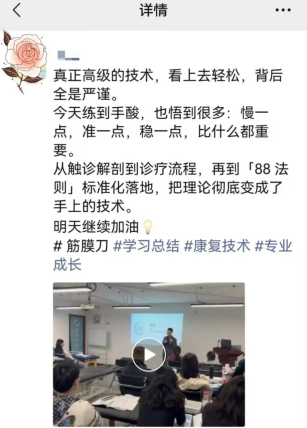
Modular Decomposition Training: Targeting common clinical conditions including iliotibial band friction syndrome, achilles tendinitis, and rotator cuff injuries, the training systematically breaks down the palpation anatomy, diagnosis and treatment procedures, and standardized operations based on the "88 Principle" of each myofascial unit.
Group Hands-On Drills: Under one-on-one tutor guidance, participants repeatedly refined blade entry angles (30°-60°), pressure control and movement rhythm stability. By practicing the full process from scanning and clearance to point compression and tissue mobilization, trainees gradually mastered the core essentials of fascial release techniques.
Clinical Logical Deduction: Combined with authentic clinical cases, the course analyzed targeted treatment strategies for diverse pathological conditions. This empowers participants to advance from simple operational proficiency to independent clinical judgment and personalized treatment protocol design.
Covering joints from the knee to the spine, every hands-on practice session serves to polish and strengthen clinical competencies, allowing all participants to apply the learned skills proficiently in clinical practice immediately after the course.

Course Review – Advanced Expansion: New Breakthroughs in Facial and Visceral Fascia
The highlight of the upgraded curriculum on the third day focuses on specialized techniques for facial and visceral fascia therapy.
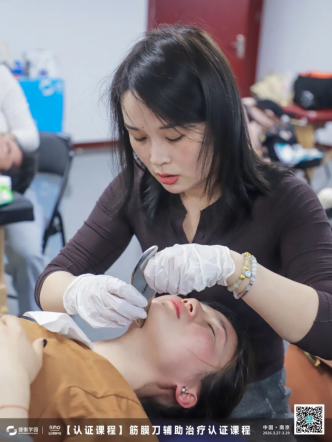
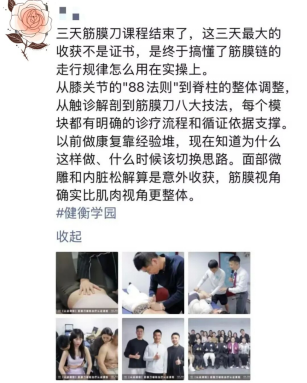
Facial micro-sculpturing practice: Based on fascial biomechanics principles, this module explores non-invasive facial rejuvenation strategies. Participants learn to alleviate early aging symptoms including nasolabial folds, undefined jawline and facial sagging via targeted fascial release, achieving precise anti-aging effects through instrument-assisted fascial manipulation.
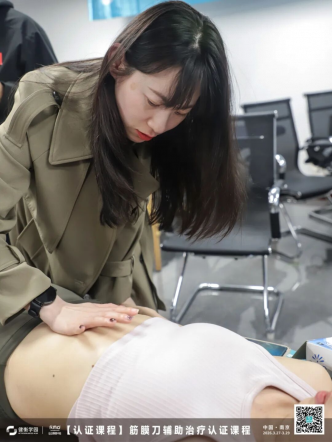
Visceral fascial release module: This session elaborates on the functional connections between abdominal fascia and internal organs. Trainees master fascia blade techniques to regulate visceral metabolism, covering high-demand clinical scenarios such as postpartum scar tissue release and abdominal wall functional rehabilitation.
Fascial mindfulness training: Guided by mindful movement exercises, participants develop refined fascial proprioception. This helps practitioners upgrade their clinical capability from passive soft-tissue release to active fascial modulation, supporting innovative clinical application in the long run.
The training concluded with a final Q&A summary and certification ceremony. All assessment-qualified participants received authoritative professional certifications, marking a successful completion of the three-day intensive training program.
 |  |
 |  |
Core Technical Principles
1、Fascia: The Overlooked "Soft Tissue Skeleton"Fascia is a continuous network of connective tissue throughout the human body. It supports body posture, transmits force, and participates in pain modulation. Adhesions may form within fascia due to trauma, overuse, or poor posture, resulting in muscle tightness and restricted range of motion. The fascia blade delivers targeted shear force to release deep fascial adhesions and activate proprioceptors.
2、Multidimensional Rehabilitation Benefits
Pain Relief: An average 70% reduction in pain levels among patients with plantar fasciitis
Enhanced Circulation: Accelerates oxygen and nutrient delivery to facilitate tissue repair
Anti-Inflammatory Regeneration: Restores immune protective mechanisms and speeds up inflammation resolution
Improved Athletic Performance: Activates muscle recruitment pre-training, releases myofascia post-training, and optimizes movement patterns
3、Cross-Disciplinary Application Scenarios
Musculoskeletal Injury Rehabilitation: cervical spondylosis, frozen shoulder, lumbar disc herniation, etc.
Fitness & Athletic Training: correcting muscular imbalances and refining movement patterns
Aesthetic Body Shaping: slimming legs, waists and arms, creating a graceful neck contour, and reducing upper back fat pads (buffalo hump)

Participant Feedback
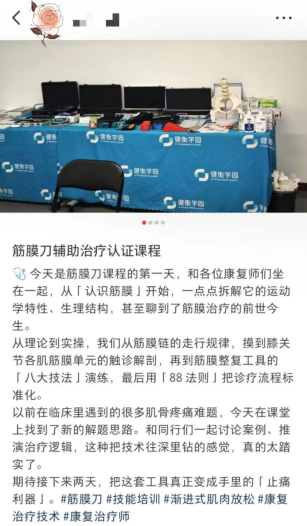
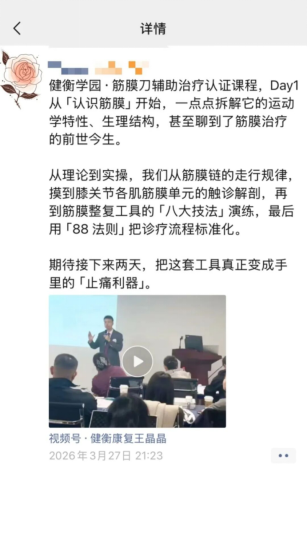
"My previous understanding of fascia blade therapy was only superficial, regarding it merely as a tool. This course has helped me master the complete clinical workflow from assessment to manipulation."
"The facial fascia blade techniques have opened up new possibilities for the integration of rehabilitation therapy and aesthetic care. I plan to develop a high-end client base in the future."
 |  |
 |  |
 |  |
 |   |
Closing Remarks
The three-day training marks not just an end, but a brand new beginning. As a core skill in modern rehabilitation, fascia blade therapy is unlocking new career opportunities for an increasing number of rehabilitation practitioners.
Jianheng Academy will continue to focus deeply on the field of myofascial rehabilitation, developing more cutting-edge and practical courses. We aim to help every rehabilitation practitioner grow into a key industry professional.
The official fascia blade certification course will undergo a comprehensive upgrade soon. We look forward to meeting more peers, and working together to safeguard public health with professional expertise.