
【Course Review】International Craniosacral Therapy Course Gathers Rehabilitation Therapists from Across the Country in Zhengzhou12
Source: News Center
2026-03-30

March 21–29, 2026, amid the lush spring days, Jianheng Academy hosted the highly anticipated internationally certified Upledger Institute Craniosacral Therapy (CST) Certification Course. Physicians, therapists and rehabilitation practitioners from all over the country gathered in Zhengzhou, embarking on an eight-day immersive learning journey under the guidance of instructor Oleksandr Izbash.
As applause echoed at the final class on March 29, this journey of "listening and gentle touch" reached a wonderful conclusion.
What participants took away was not only an internationally recognised qualification, but also the ability to sense the craniosacral rhythm and the primary respiratory rhythm.
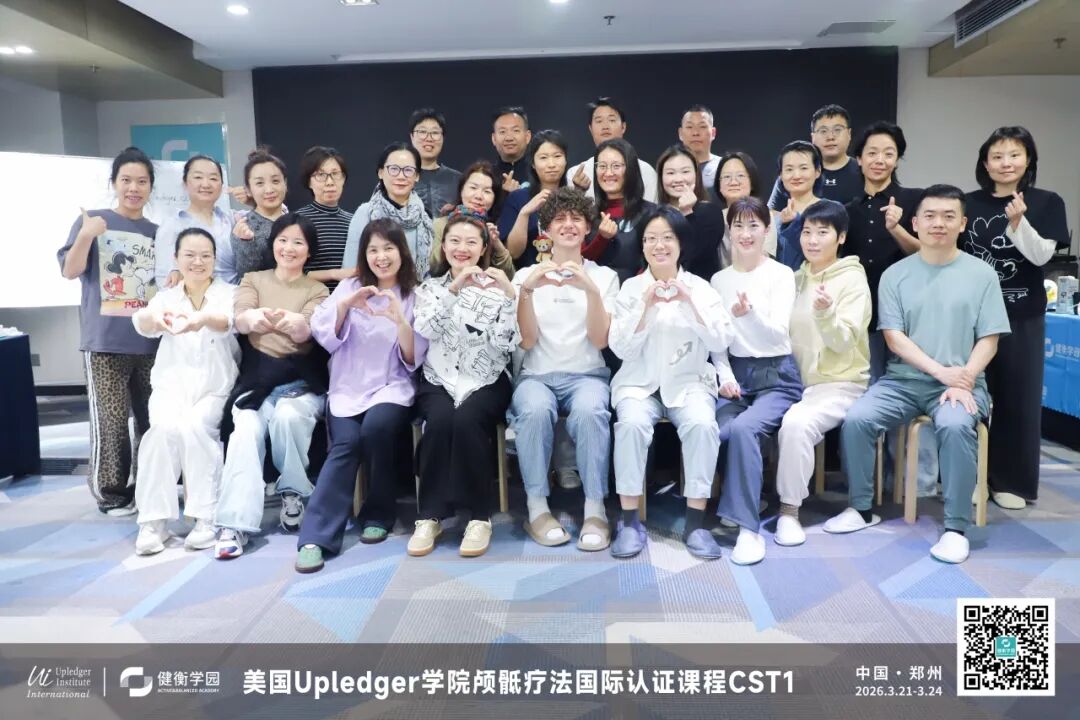
CST模块1
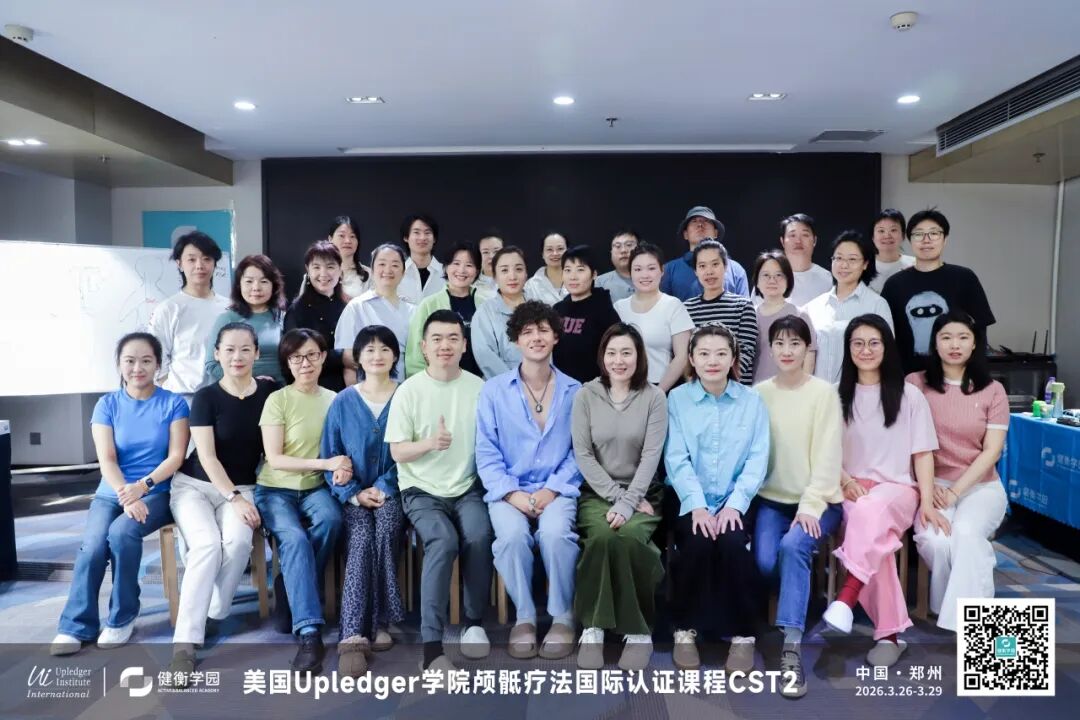
CST Module 2
Course Review
Craniosacral Therapy (CST) is not merely a manual technique; it is a dialogue with the body’s inherent wisdom.
This course strictly follows the official certification standards of the Upledger Institute International, consisting of two modules: CST Module 1 and CST Module 2, progressing systematically from foundational assessment to advanced intervention.
CST Module 1: Craniosacral Fundamentals & Structural Release
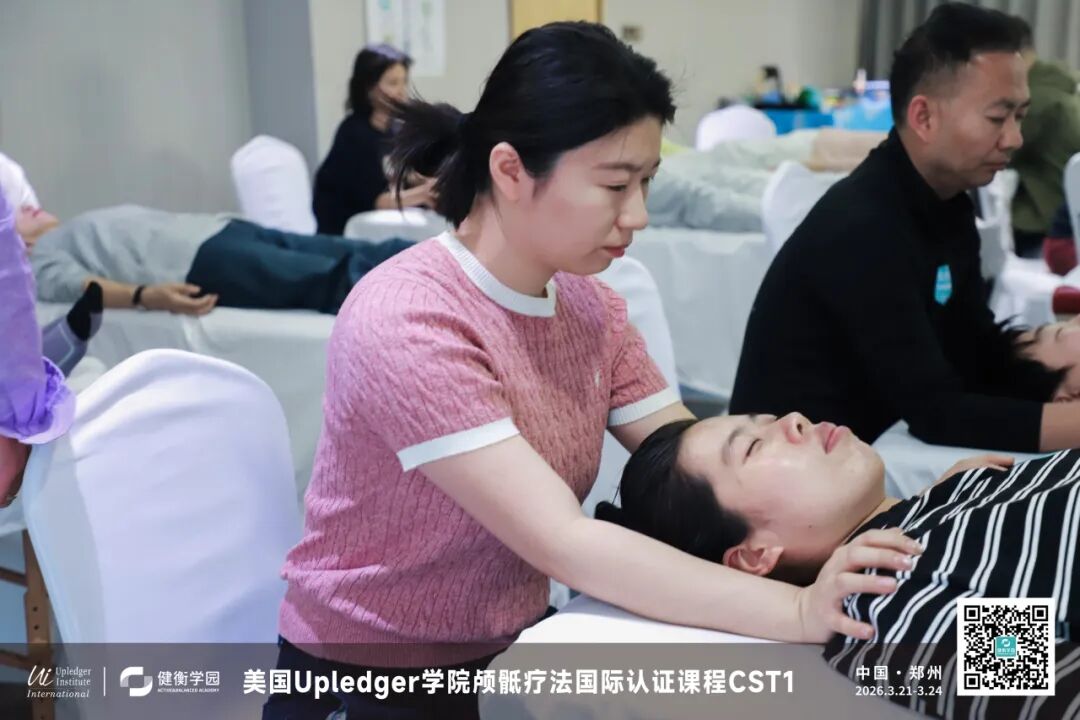
Core Theme: Starting with the history and basic theories of craniosacral therapy, this module focuses on fluid dynamics, palpation, the fascial system and key cranial structures, helping participants develop awareness of the craniosacral rhythm and master fundamental therapeutic techniques.
Technical Highlights
Craniosacral Rhythm & Still Point Techniques:
Master palpation definitions and the state of presence (relaxation / neutrality / integration), understand the pacemaker theory and the mechanism of brainstem oscillatory neurons. Use the SQAR method to assess the symmetry, quality and amplitude of the craniosacral rhythm. Learn the physiological principles of still points, master induction techniques for the legs, sacrum and head, and practice self-induction and clinical relaxation interventions.
Fascial Diaphragms & Occipital-Sacral Release:
Explore the continuity, elasticity and memory properties of the fascial system. Learn the anatomy and release techniques for the pelvic diaphragm, respiratory diaphragm, thoracic inlet, hyoid bone and other structures. Apply the five-step occipital base technique (soft tissue release / plateau / interspace / condylar spread / dural traction) to relieve jugular vein compression and structural imbalance.
Cranial & Sacral Techniques:
Study the anatomy and articular structures of cranial bones including the sphenoid, parietal and temporal bones. Master three-step techniques such as L5-S1 decompression, iliac interspace release and dural tube traction. Practice lifting, compression and decompression techniques for indications including headaches, visual disturbances and memory disorders.
Holistic Understanding of the Craniosacral System:
Understand the components of the craniosacral system (cranial bones / sacrum / meninges / cerebrospinal fluid) and its circulatory mechanism, as well as the pressure regulation model and semi-closed hydraulic system principle. Develop clinical reasoning linking structure, function and symptoms.
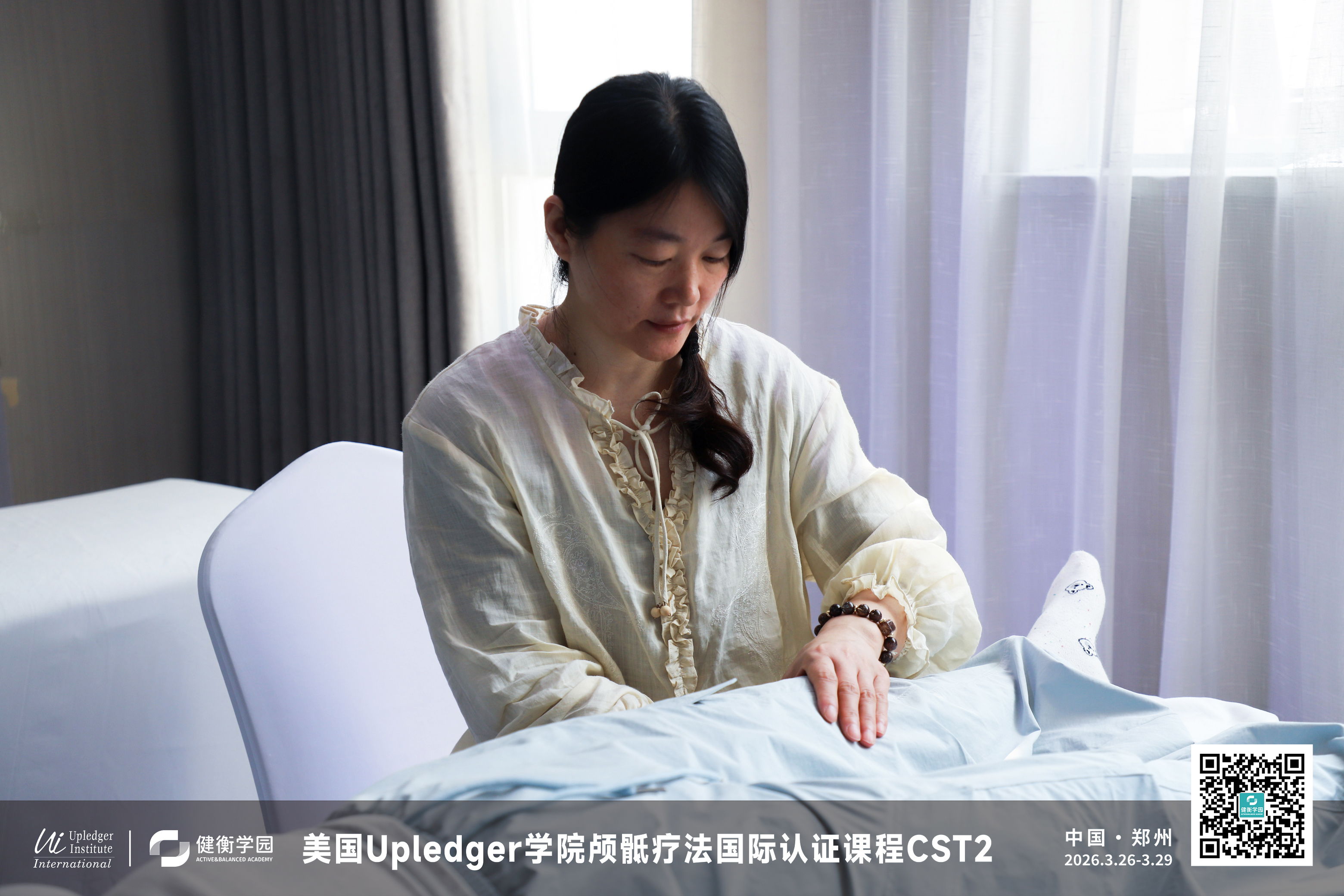
Practical Focus:Start with cranial palpation of the craniosacral rhythm, then progress to group practical training including fascial diaphragm release, occipital-sacral work, and cranial and sacral techniques. The instructor provides one-on-one guidance throughout, helping participants develop precise tactile awareness and form a complete technical pathway from theory to clinical practice.

CST Module 2: Energy Release & Whole-Body Integration Therapy
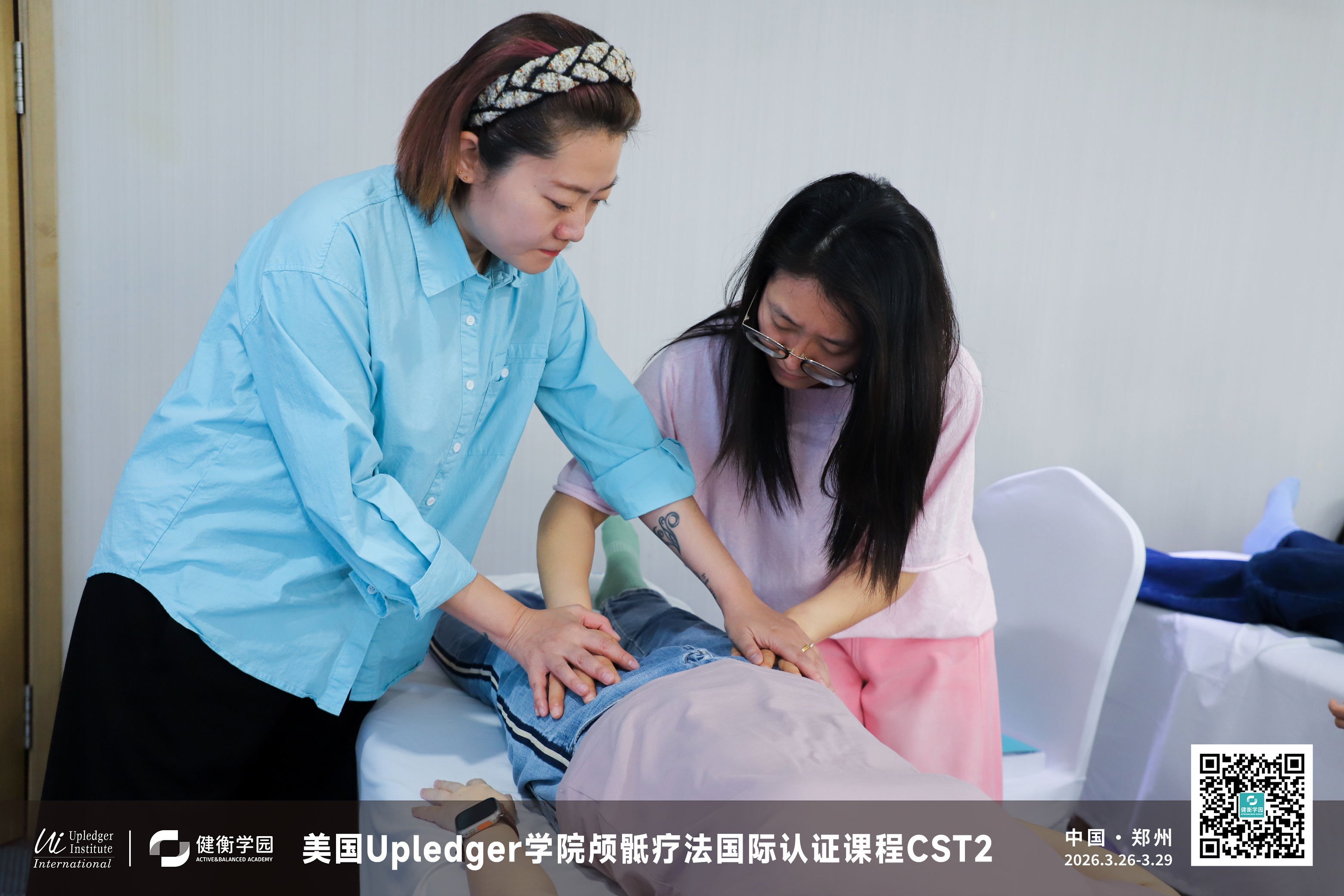
Core Theme: Building on the foundations of CST Module 1, this module delves into neutral field theory and sphenoid lesion theory, expands training in energy cysts, SomatoEmotional Release (SER) and full-body assessment techniques, and develops proficiency in paediatric craniosacral work and integrated clinical treatment.
Technical Highlights
- Neutral Zone & Sphenoid Lesion InterventionMaster the definition of the Neutral Zone and assessment of the Direction of Ease for evaluation and treatment. Systematically study sphenoid anatomy (including the spheno-occipital synchondrosis, sphenoid articulations, etc.) and lesion classifications:
Compensatory lesions: rotational / lateral flexion lesions, associated with neck pain, scoliosis, headaches and other symptoms
Non-compensatory lesions: lateral strain / vertical strain / compressive lesions, linked to learning disorders, depression, autism and other conditions
Practice the third specialized cranial hold to accurately assess flexion/extension lesions and deliver targeted clinical intervention.
- Refined Palatal & Facial Bone TechniquesUnderstand the anatomical feature that the hard palate has no direct structural connections with other facial bones, and learn how facial bones coordinate with the craniosacral system during flexion and extension movement.
- Master anatomy and release techniques for the nasal bones (fix the frontal bone + gentle traction), zygomatic bones (one hand stabilizes the sphenoid while the other performs manipulation), maxillae (flexion/extension / rotation / shear / separation movements), vomer and palatine bones, to address headaches, endocrine disorders, TMJ dysfunction and related conditions.
- Energy Cysts & SomatoEmotional Release (SER)Learn the definition of energy cysts (localized areas of disrupted energy originating from trauma or emotional distress) and Arcing assessment techniques for localization. Restore energy pathways using regional tissue release, significance detector methods and related approaches.Grasp the core principle of SER (releasing emotional patterns held within tissues, distinct from formal psychotherapy). Practice practitioner support skills and guidance for patient insight, facilitating deep release of physical and emotional trauma.
- Full-Body Assessment & Advanced Clinical ApplicationConduct comprehensive whole-body assessment using integrated tools including Arcing, listening stations, dural tube assessment, and fascial mobility evaluation.Address facilitated segments (hyperactive spinal regions) via a three-step intervention protocol: energy guidance, dural tube traction, and end-organ management.Learn structured paediatric and neonatal craniosacral protocols (cranial holds, vomer work, basic cranial base adjustments, etc.), and differentiate treatment approaches for children aged 1–7 years versus those aged 8 years and older.
Practical Focus
Complete a full clinical progression from sphenoid lesion assessment and facial bone manual therapy practice, Arcing localization of energy cysts, and SomatoEmotional Release training, to whole-body assessment and paediatric craniosacral techniques.Instructors provide ongoing guidance on technical precision, helping participants develop an integrated clinical framework addressing structure, energy patterns, emotional patterns and symptoms, and building a solid foundation for clinical practice.

Official Version:Internationally Authoritative Instructor
This entire course is taught by Dr. Oleksandr Izbash, a certified Upledger Institute instructor, European practicing physician (MD) and Doctor of Osteopathy (DO). He integrates decades of clinical experience and the latest international craniosacral therapy concepts into his teaching:
He breaks down complex clinical conditions through vivid case studies, making the abstract concepts of craniosacral rhythm and energy theory tangible and clinically applicable.
He emphasizes the core principle of "gentle force", corrects common manual therapy mistakes, and helps participants develop a safe and effective therapeutic tactile sense.
He shares cutting-edge international clinical applications, guiding participants to learn collaborative intervention strategies alongside physiotherapy, counselling and other disciplines.

Course Value
1、International AccreditationUpon completion of the full curriculum and passing the practical assessment, participants will receive the official CST certification issued by the Upledger Institute International. This professional qualification is recognised across 56 countries worldwide, enhancing core competitiveness for career development.
2、Expanded Clinical ApplicationsCharacterised by its extremely gentle approach and non-invasive safety, Craniosacral Therapy (CST) can be widely applied in the following areas:
Chronic pain management: headaches, neck, shoulder and lumbopelvic pain, TMJ dysfunction, etc.
Nervous system regulation: autonomic nervous system dysfunction, sleep disorders, emotional trauma, etc.
Paediatric rehabilitation: neonatal care, scoliosis, learning disorders, etc.
Post-surgical rehabilitation and trauma recovery: accelerating tissue healing and reducing post-operative stress responses
Participant Voices
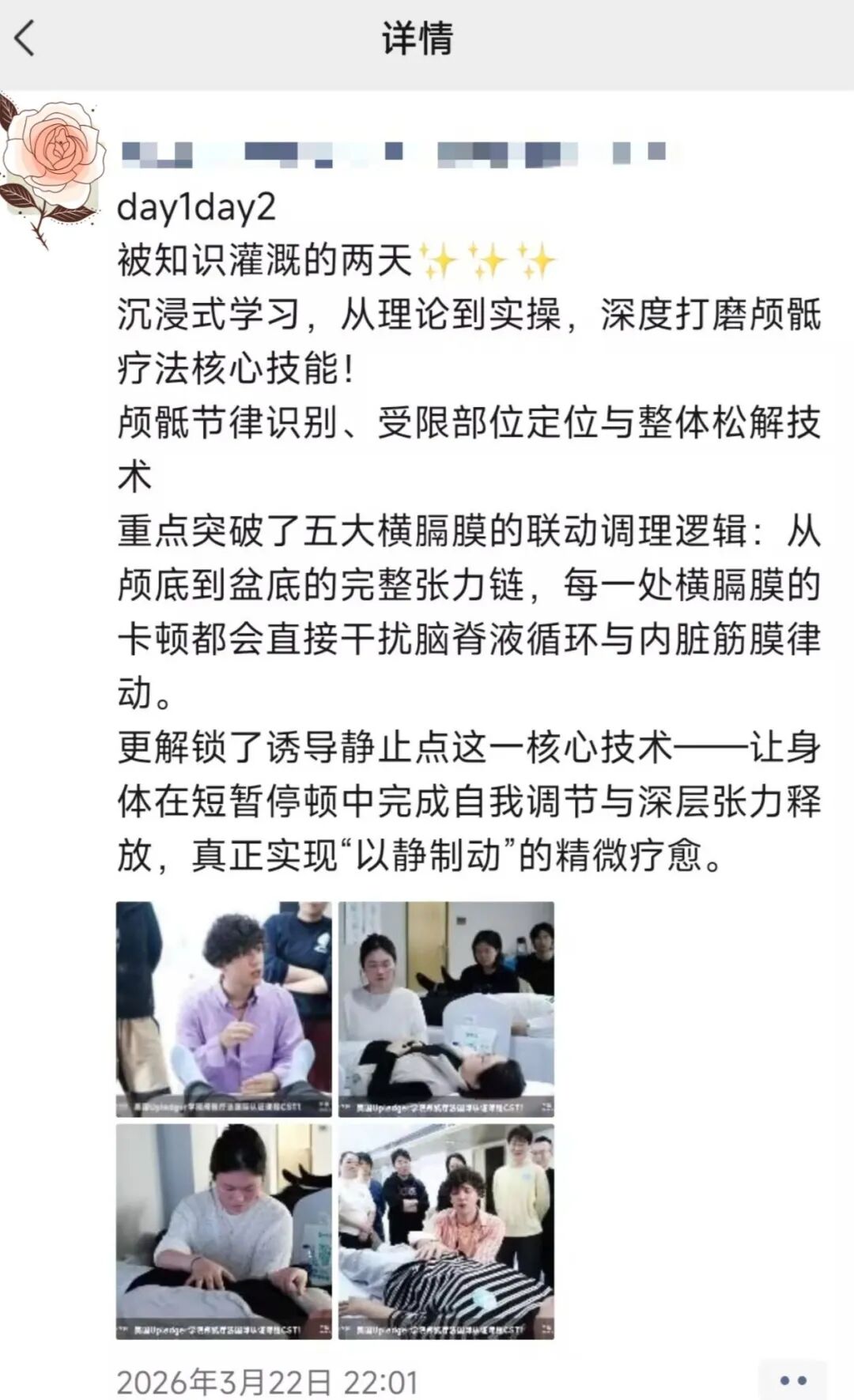
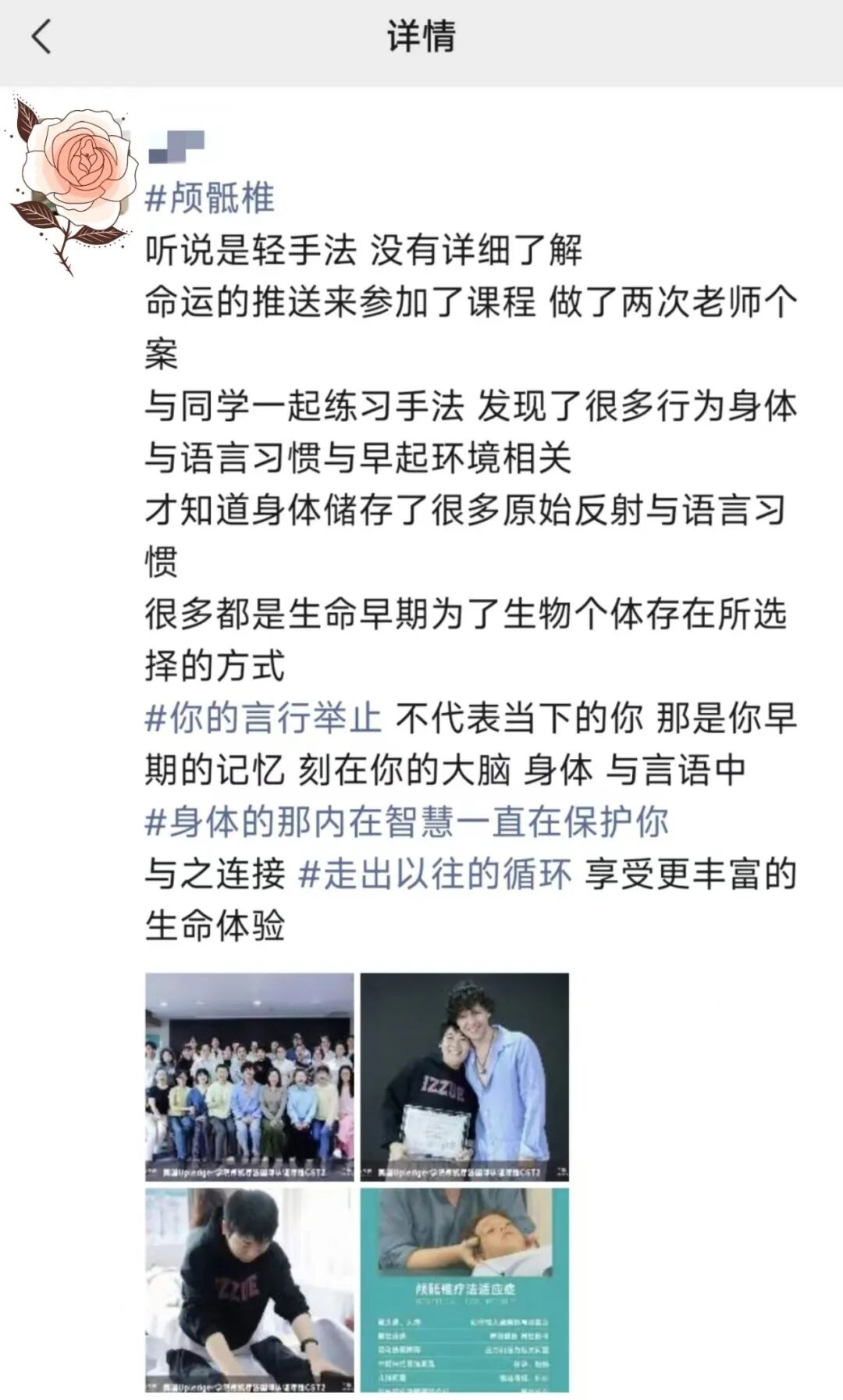
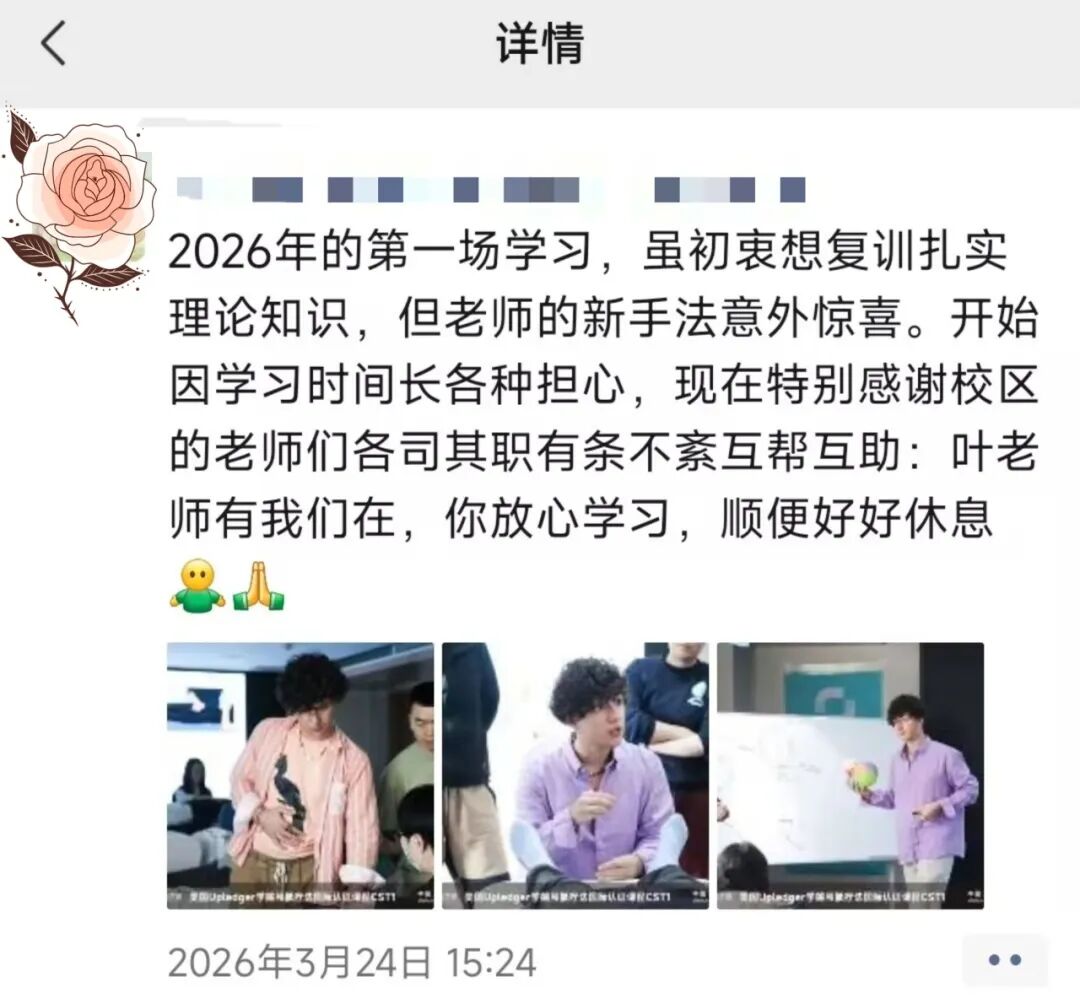
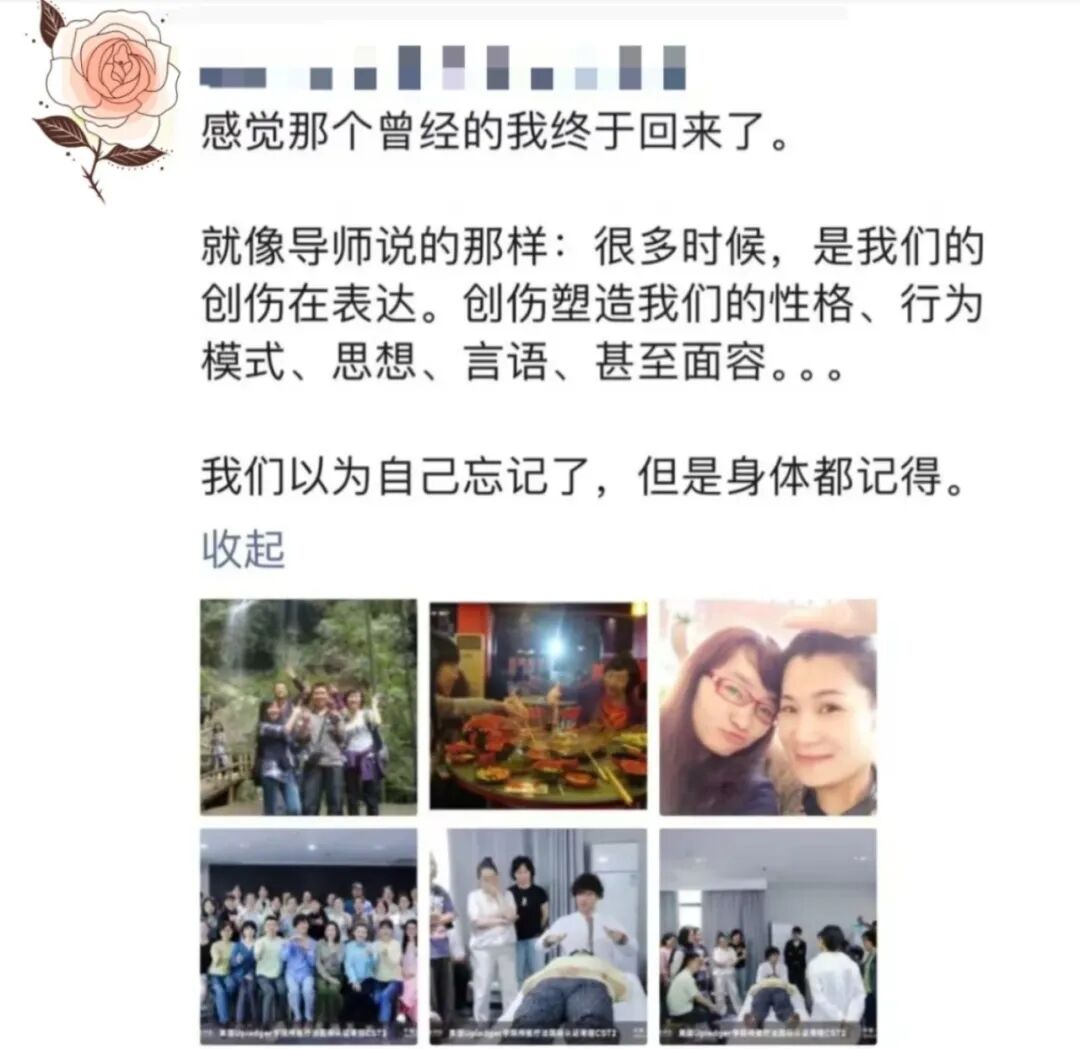
After the course, many participants shared that the experience brought far more than technical skill improvement — it completely reshaped their understanding of healing.
 |  |
 |  |
Closing Remarks
With the completion of CST Module 1 and CST Module 2, participants have obtained official international certification from the Upledger Institute.
The study of Craniosacral Therapy is an ongoing journey of continuous refinement. Advanced courses (including SER, ADV and more) remain available for further exploration.
As a professional rehabilitation education platform, Jianheng Academy has always been committed to introducing world-leading international rehabilitation techniques.
We will continue to deliver high-quality courses in the future, supporting every practitioner to develop steadily and sustainably in their professional career.
The formal course has ended, yet the journey of healing continues endlessly.
May every participant carry this gentle power into clinical practice and daily life — to listen deeply, to provide compassionate support, and to facilitate healing.
Grateful thanks to Dr. Oleksandr Izbash for his comprehensive teaching, and to all participants for their dedicated engagement.
We look forward to seeing you in our next course!